TECH Signal 288
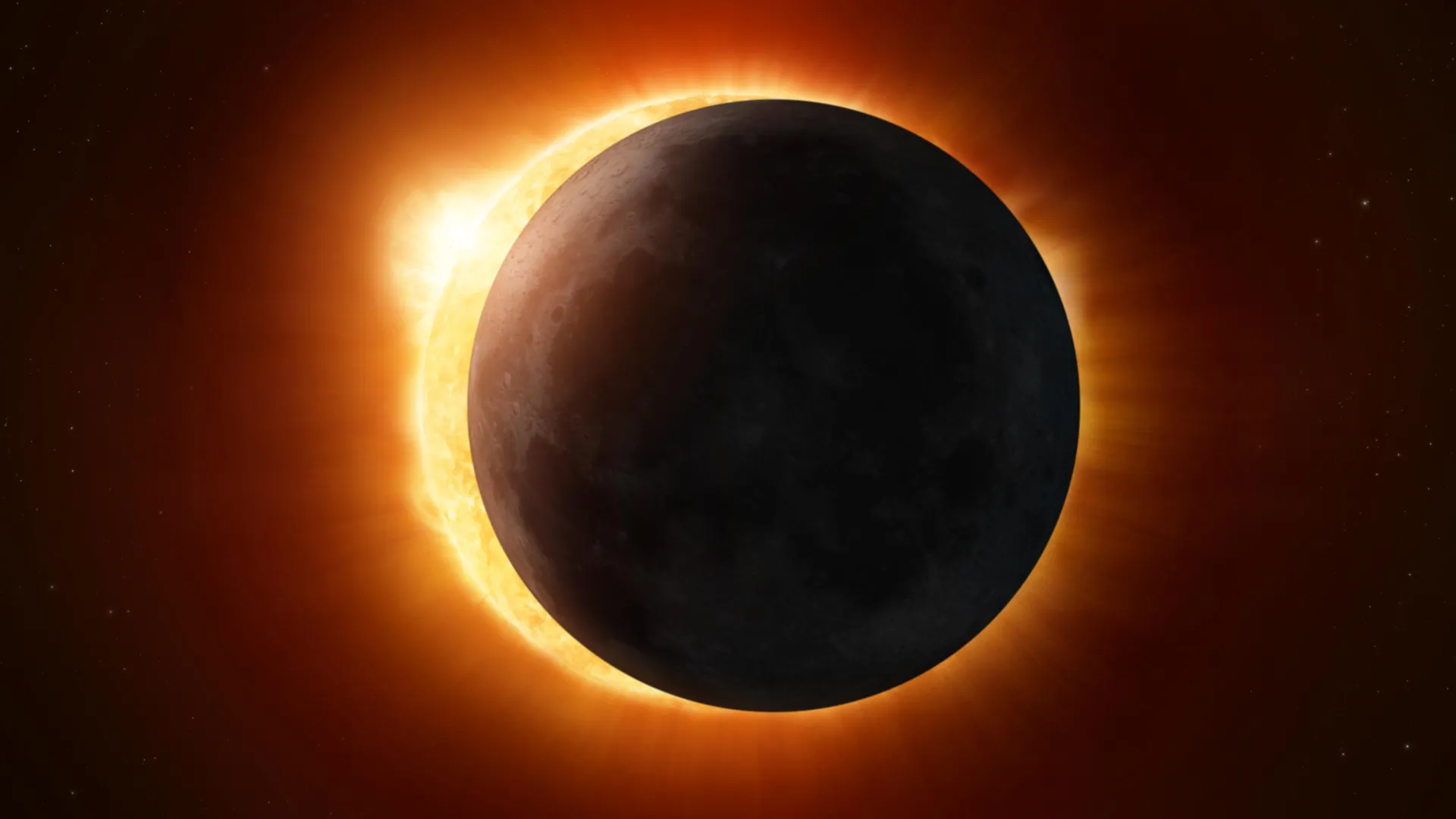
The sun will vanish over Europe in a rare total solar eclipse: Watch live
 ↗
↗
ESA will livestream the August 12, 2026 total solar eclipse over Europe from the Javalambre Observatory in Spain, combining telescope and drone feeds with expert commentary.
Engineers must coordinate ingest from multiple video sources, synchronize them in real time, and deliver a stable stream via ESA Web TV and YouTube. The broadcast tests real-time mixing of scientific visuals with live commentary under a tight schedule. Success depends on reliable feeds, platform uptime, and weather conditions.
Written by elseif from the cluster below · every claim links back to a sourceThe three things worth knowing
The eclipse will be visible across Europe on August 12, 2026, with totality lasting 1 minute and 21 seconds at Javalambre Observatory.
ESA will broadcast the event live from Spain, using telescope feeds, drone footage, and commentary from scientists and the observatory director.
Multiple additional live feeds from other locations inside the path of totality will be combined to improve coverage reliability.
THE READ
What the cluster adds up to.
The livestream will merge video from the observatory’s telescopes, drone cameras, and expert commentary into a single feed. ESA also plans to add two additional live feeds from other sites inside the path of totality. This creates a multi-source production that must be synchronized in real time. The result is a broadcast that shows the eclipse progression from several angles.
Engineers must set up ingest pipelines for each source, handling both fixed-telescope links and wireless drone transmissions. Each feed needs to be time-aligned so that commentary matches the visual events. The combined stream then undergoes encoding and packaging for delivery to ESA Web TV and YouTube. Maintaining low latency is important to keep the commentary in sync with the eclipse phases. Any mismatch would degrade the viewer experience.
The broadcast depends on the availability of ESA’s web TV platform and YouTube for distribution; an outage on either service would stop the public feed. Weather conditions at Javalambre or the auxiliary sites can obstruct telescope or drone views, prompting reliance on the other feeds. Engineers therefore need monitoring tools to detect loss of a source and switch to alternatives quickly. The design must tolerate partial loss without interrupting the overall stream.
The scheduled window runs from 1:30 p.m. EDT to about 2:45 p.m. EDT on August 12, giving engineers roughly seventy-five minutes to bring the system online and verify it. After the eclipse ends at roughly 2:45 p.m., the stream concludes and equipment must be secured. Any delay in setup reduces the usable observation time and risks missing the totality phase.
Written by elseif from the cluster below · checked for specifics the sources never containedTHE CLUSTER