TECH Signal 494
The US tried to stop cartel money-laundering; devastated mom-and-pop businesses
 ↗
↗
The US government lowered the cash-transfer reporting threshold near the Mexico border to target cartel money laundering, which instead harmed small businesses that provide money services.
Engineers building or operating fintech or payment-processing systems must anticipate how regulatory thresholds can abruptly change compliance costs and user trust. The case shows that broad anti-money-laundering measures can disproportionately affect low-volume, community-based services, creating privacy concerns and operational strain. Understanding these dynamics helps anticipate similar impacts when designing services for underserved or immigrant populations.
Written by elseif from the cluster below · every claim links back to a sourceThe three things worth knowing
In April the Trump administration required businesses offering financial services near the US-Mexico border to report cash transactions over $200, down from the previous $10,000 threshold.
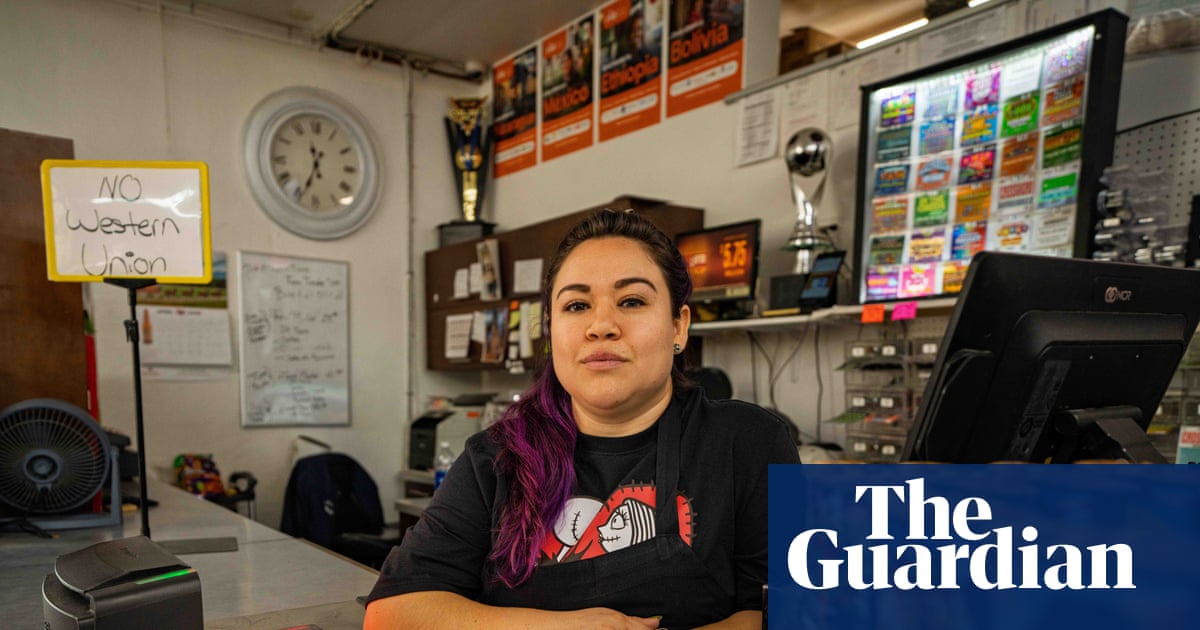
Small businesses such as Nachita’s Grocery saw customers avoid money transfers due to fears of government surveillance and immigration enforcement, leading to steep revenue losses.
Although the threshold was later raised to $1,000 in September 2025, owners say the paperwork and compliance burden remain overwhelming for their limited staff.
THE READ
What the cluster adds up to.
The policy change was presented as a tool to disrupt cartel money-laundering by increasing scrutiny of cash flows in the border region. By lowering the reporting threshold, the government aimed to capture more transactions that could be linked to illicit activity. The intent was to expand the reach of financial-crime enforcement without needing new legislation.
For community-focused businesses like Nachita’s Grocery, the new rule meant that everyday services such as bill payments, money orders, and remittances now triggered reporting requirements. Owners reported that customers, especially elderly and immobile individuals, became reluctant to use these services because they feared their personal data would be exposed to immigration authorities. This shift caused the once-steady flow of customers to dwindle.
Compliance required collecting addresses, Social Security numbers, and other personal identifiers for each transaction over the threshold. Small operators with minimal staff found the administrative work costly and time-consuming, diverting resources from core business activities. Legal experts criticized the rule as arbitrary and a potential Fourth-Amendment violation, prompting lawsuits from advocacy groups and industry associations.
In September 2025 the reporting threshold was increased to $1,000 in response to criticism, but business owners say the revised level still imposes significant paperwork and compliance challenges. The ongoing concern remains that even a higher threshold can deter legitimate use of money-transfer services in communities that rely on them for essential financial needs.
Written by elseif from the cluster below · checked for specifics the sources never containedTHE CLUSTER