TECH Signal 403
Schools end gifted programs in low-income areas reportedly harming academically gifted poor students
 ↗
↗
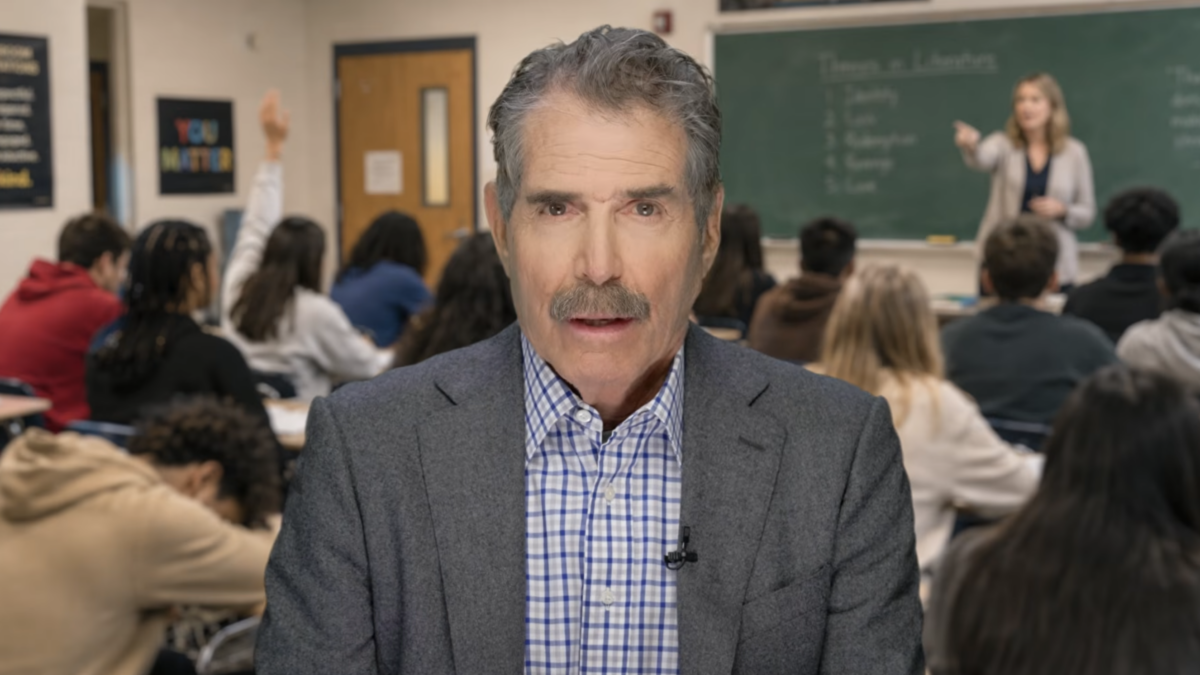
Schools are ending gifted and talented programs in low-income neighborhoods, leaving academically gifted poor students without advanced instruction while claiming to address inequity.
The removal of gifted programs disproportionately harms low-income students who lack external enrichment, creating a gap where high-potential children receive no academic challenge. Without tailored instruction, these students risk disengagement and underdevelopment of their abilities, undermining long-term socioeconomic mobility and talent pipelines.
Written by elseif from the cluster below · every claim links back to a sourceThe three things worth knowing
Schools are ending gifted and talented programs in low-income neighborhoods to address equity concerns.
Academically gifted poor students are left without advanced instruction, suffering the worst of both worlds.
Research indicates universal screening can increase placement of disadvantaged students in gifted programs, but current removals reverse this progress.
THE READ
What the cluster adds up to.
The shift away from ability-based tracking, framed as an equity measure, eliminates specialized instruction for high-achieving students in under-resourced schools.
Adopting universal mixed-ability classrooms requires teachers to implement differentiated instruction across wide skill ranges, a practice criticized as impractical for educators without sufficient training or resources.
The removal of gifted programs stops providing accelerated learning pathways, leaving high-potential students in these communities without access to advanced curricula or enrichment opportunities.
The article notes that while equity advocates oppose tracking, they rarely engage with concerns about how these policies affect gifted poor students, creating a gap in policy discourse.
The lack of alternative support structures means academically gifted students in low-income areas face stagnant educational experiences, with no clear mechanism to address their advanced needs within the new system.
Written by elseif from the cluster below · checked for specifics the sources never containedTHE CLUSTER