SECURITY Signal 237
These drones could cover up to 98 percent of the world's oceans by 2028
 ↗
↗
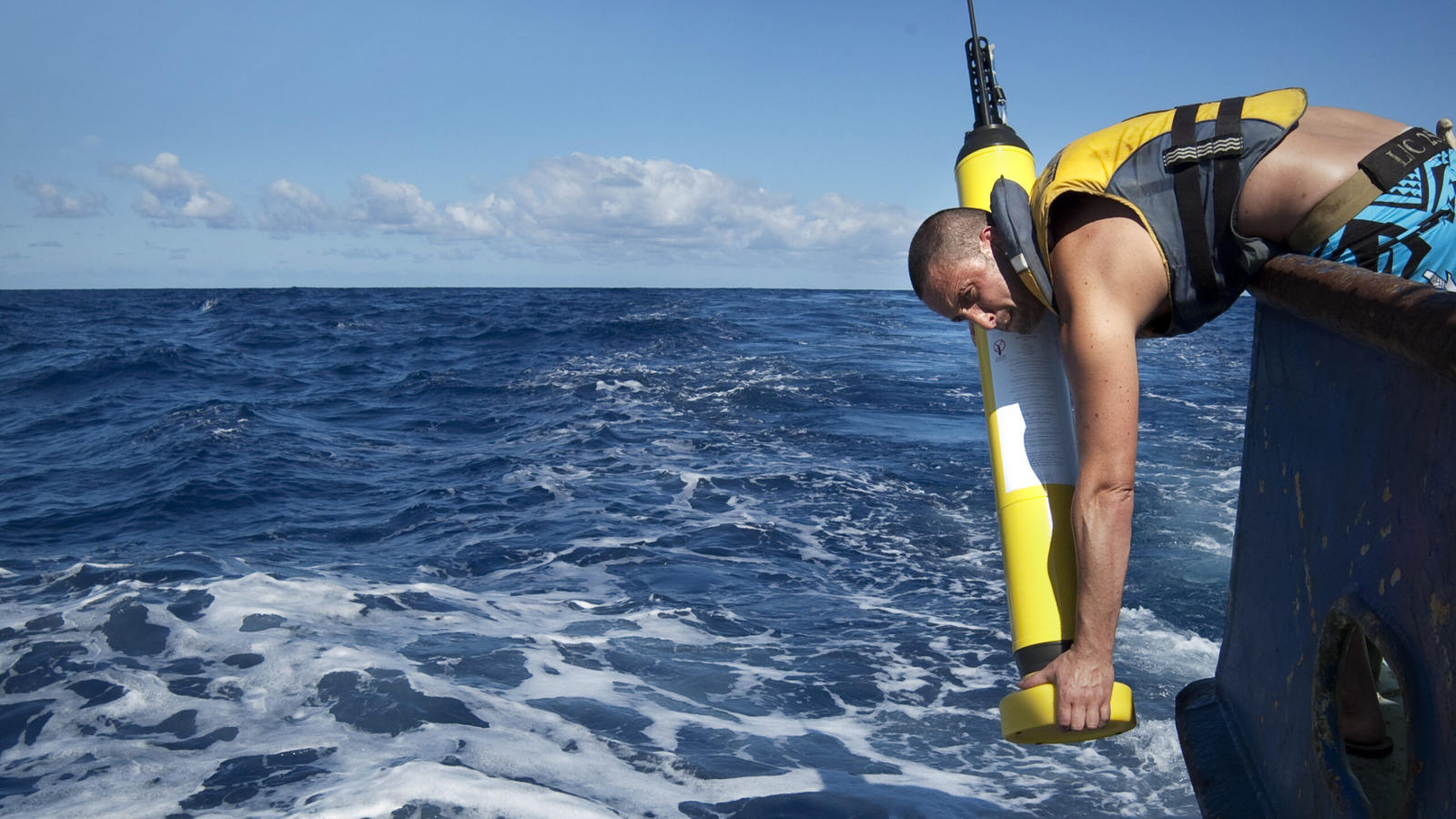
New ocean-sensing drones are being built to withstand the deepest depths of the ocean.
The development of deep-sea drones will significantly enhance our understanding of ocean conditions, especially in the context of climate change. Currently, much of the ocean remains unexplored, particularly the abyssal zones where crucial data can be obtained. These advancements could improve climate models and predictions.
Written by elseif from the cluster below · every claim links back to a sourceThe three things worth knowing
The new Deep-6000 drones can reach depths of 6,000 meters, collecting data from previously unmonitored areas.
By 2028, the fleet is expected to include 30 additional drones, allowing coverage of over 98 percent of ocean volume.
Ocean data collected will improve forecasts of climate phenomena, aiding in better climate monitoring and prediction.
THE READ
What the cluster adds up to.
The introduction of the Deep-6000 drones represents a significant technological advancement in ocean exploration, specifically targeting depths that traditional Argo floats cannot reach. Their ability to withstand immense pressure at 6,000 meters will allow researchers to gather data from critical areas that influence global climate patterns.
As the fleet of deep-sea drones grows, the cost of maintaining these advanced systems and their operational lifespan will be crucial. The design focuses on energy self-sufficiency, aiming for a lifespan of seven years while minimizing operational costs. This balance will determine the long-term viability of the data collection effort.
While the Deep-6000 drones will enhance data collection capabilities, they will still face limitations in terms of geographical coverage and operational conditions. Factors such as extreme weather and ocean currents could affect deployment and data reliability, making continuous advancements necessary to maintain operational effectiveness.
Written by elseif from the cluster below · checked for specifics the sources never containedTHE CLUSTER