TECH Signal 179
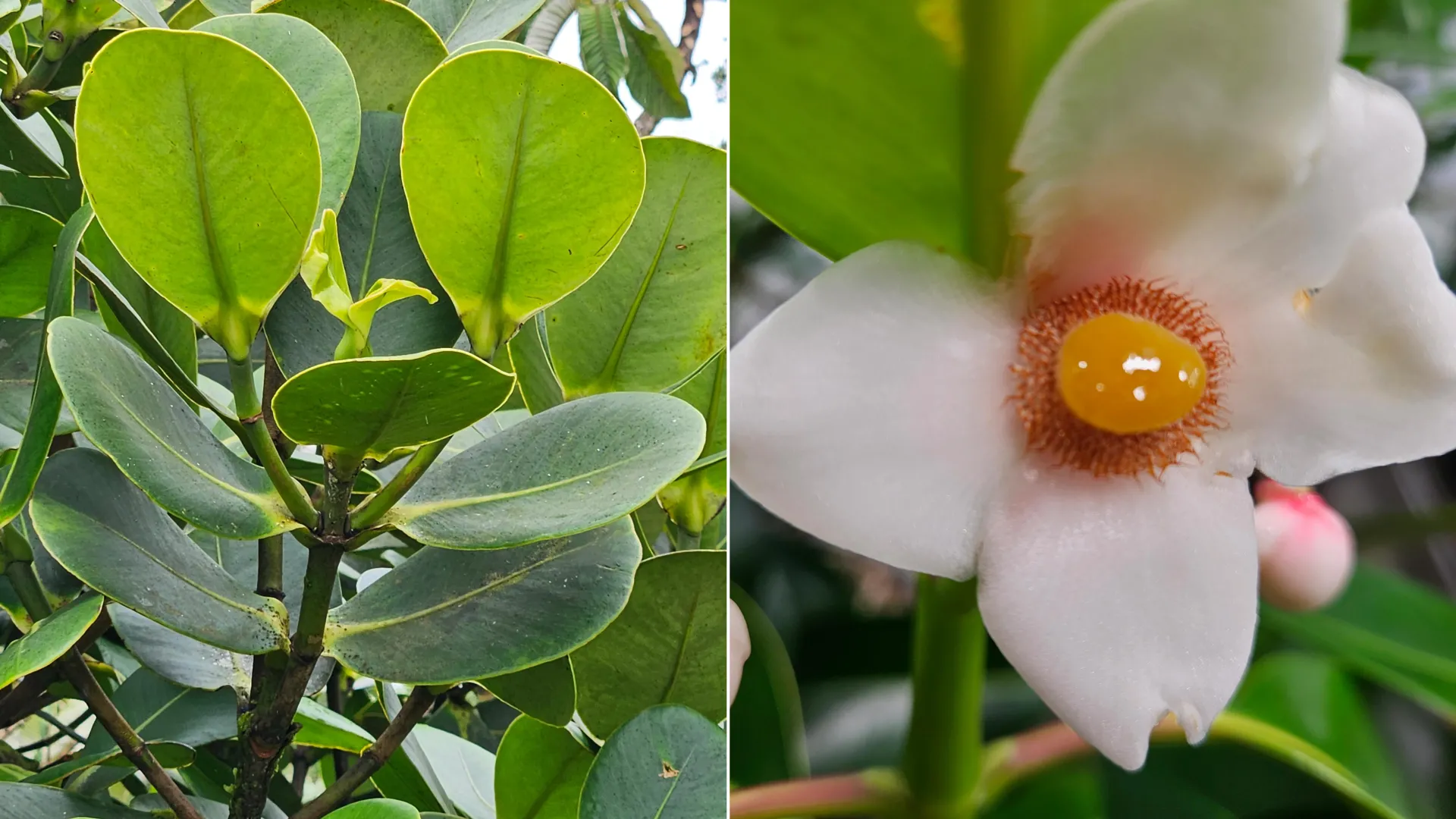
Tropical trees switch to nighttime CO2 uptake to survive drought
 ↗
↗
Researchers at the University of Vienna found that tropical Clusia trees use CAM photosynthesis by absorbing CO2 at night and closing stomata during the day to conserve water.
Engineers designing water-efficient crops or irrigation systems can leverage the genetic mechanisms behind CAM to develop drought-resistant plants that reduce water use. Understanding these pathways also informs sensor and control strategies for monitoring plant stress in arid environments.
Written by elseif from the cluster below · every claim links back to a sourceThe three things worth knowing
Clusia species exhibit diverse CAM forms resulting from ancient genome duplication and extensive genetic reshuffling.
Nighttime CO2 uptake allows stomata to stay closed during hot daytime, dramatically reducing water loss.
The study links specific duplicated genes to nocturnal CO2 storage, explaining functional variation among species.
THE CLUSTER