TECH Signal 306
Memory foam ear tips reportedly improve earbud bass and noise isolation over stock silicone tips
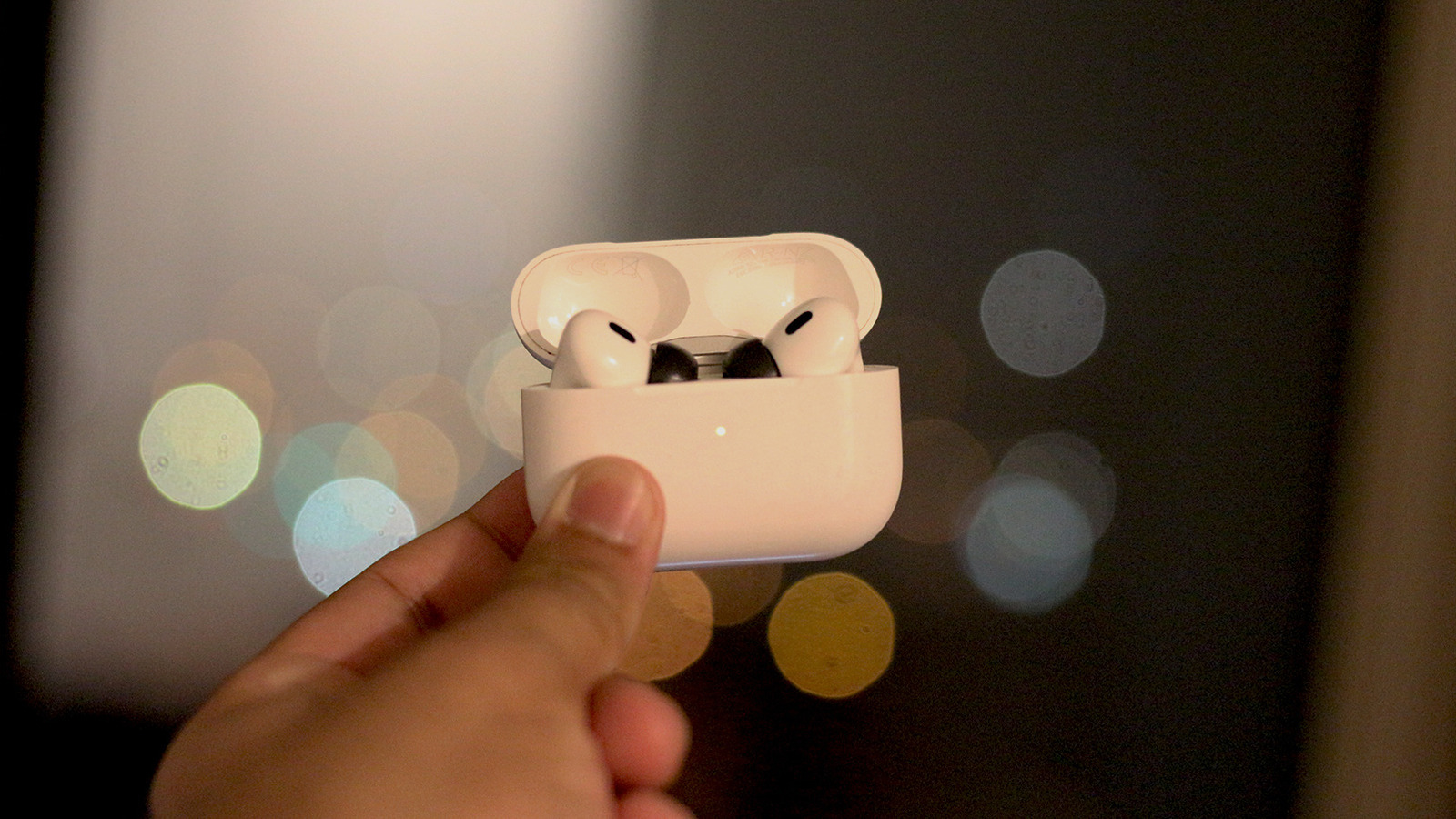 ↗
↗
Replacing stock silicone ear tips with memory foam alternatives creates a tighter ear canal seal, improving bass response and passive noise isolation for wireless earbuds.
For engineers working on audio hardware or ANC algorithms, the ear tip seal is a variable that materially affects perceived sound quality and noise cancellation performance. Foam tips degrade in two to three months, which means the acoustic profile a user experiences shifts over the product's lifespan. This is a single-source article based on personal experience, not formal testing.
Written by elseif from the cluster below · every claim links back to a sourceThe three things worth knowing
Memory foam tips expand to match the ear canal, creating a tighter seal than preset-size silicone tips and reducing sound leakage.
Foam tips cost $10 to $40 and last roughly two to three months with daily use before losing expansion ability.
Compatibility must be checked per earbud model, as some designs like AirPods use proprietary snap-fit mechanisms.
THE READ
What the cluster adds up to.
The article argues that the stock silicone ear tips bundled with most truly wireless earbuds are a weak link in the audio chain. Because human ear canals vary widely, a one-size-fits-some silicone tip often fails to form a proper seal, allowing sound to leak out and ambient noise to leak in. The proposed fix is memory foam ear tips from third-party brands like Comply and Sonicfoam, which expand to fill the ear canal and create a tighter acoustic seal.
The claimed acoustic benefits flow directly from that seal. Better sealing means less sound leakage, which produces fuller bass without increasing volume. It also improves passive noise isolation, which in turn reduces reliance on active noise cancellation and may improve ANC effectiveness when enabled. The author notes these improvements from personal experience with AirPods Pro 2 and Sonicfoam tips, but explicitly states Engadget has not formally tested the products.
The trade-offs are non-trivial. Foam tips wear out in approximately two to three months of daily use and begin losing expansion capability before that point. They attract dust and require regular cleaning. At $10 to $40 per pack, recurring replacement costs add up over the lifespan of a pair of earbuds that may otherwise last years. The author recommends buying refill packs in a single preferred size to reduce waste.
Compatibility is a practical constraint. Earbuds like AirPods use proprietary attachment mechanisms, so not all aftermarket tips fit all models. The article names Comply and Sonicfoam as reputable brands but does not provide a compatibility database or formal testing methodology. The entire recommendation rests on one author's two-year personal usage experience, with no comparative measurements or controlled testing cited.
For hardware engineers, the article indirectly highlights how the consumable interface between a device and the human body can dominate perceived product performance. A well-engineered ANC system or driver can be undermined by a poor seal, and the seal quality varies not just by user anatomy but by tip material degradation over time. This suggests that acoustic performance specifications measured with an ideal seal may not reflect real-world user experience across a product's useful life.
Written by elseif from the cluster below · checked for specifics the sources never containedTHE CLUSTER