TECH Signal 123
McMaster researchers find GDF15 hormone reduces liver inflammation and fibrosis through brain-to-liver pathway independent of weight loss
 ↗
↗
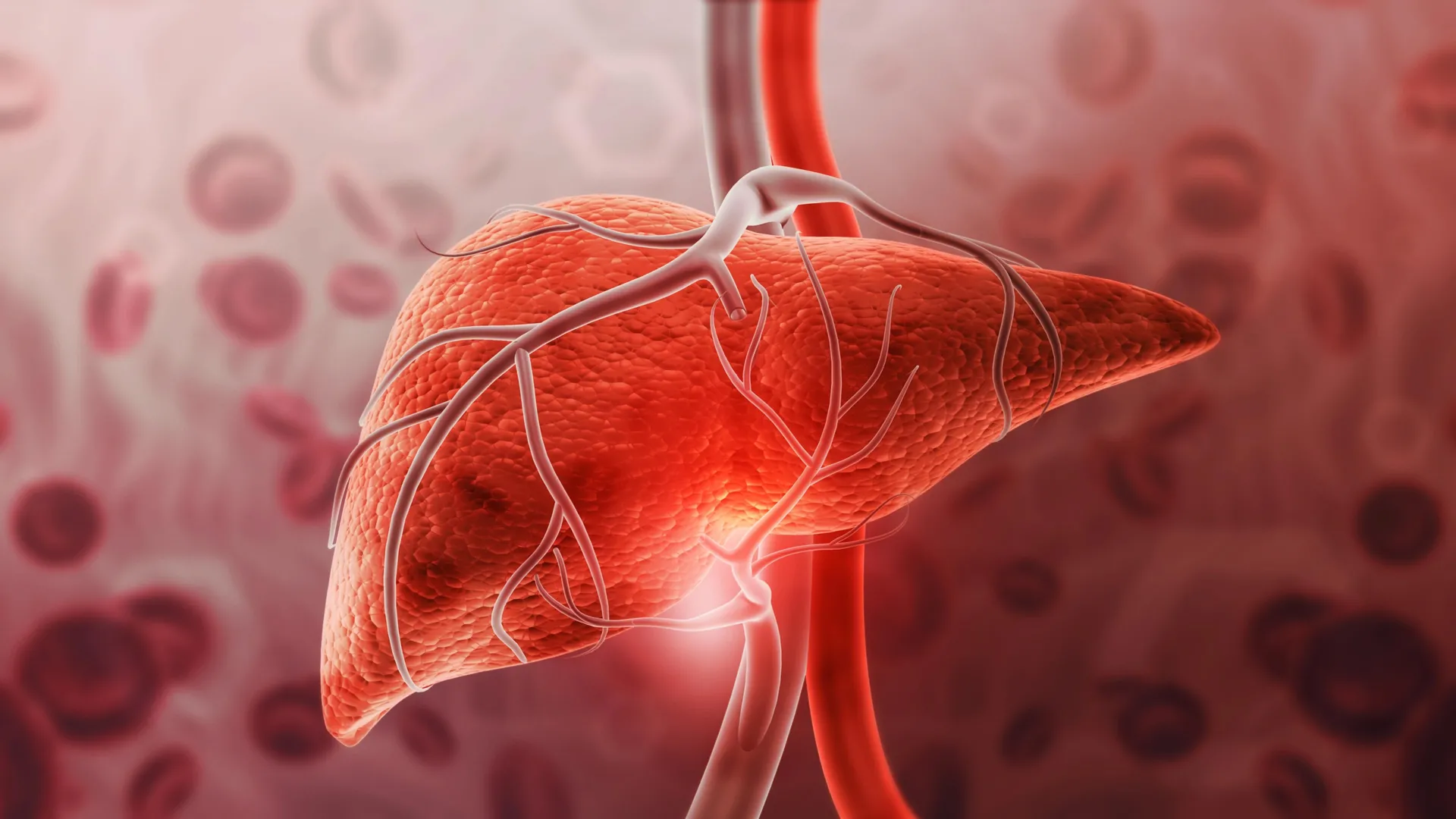
Researchers at McMaster University discovered that GDF15, a hormone already known for appetite suppression, activates a previously unknown brain-to-liver signaling pathway that triggers glucocorticoid release to suppress liver inflammation and slow fibrosis, even without weight loss.
This finding separates GDF15's liver-protective effects from its weight-loss effects, suggesting a new therapeutic target for MASH where inflammation can persist even after substantial weight loss. Only one feed carried this story, so the finding has not yet been corroborated by independent coverage.
Written by elseif from the cluster below · every claim links back to a sourceThe three things worth knowing
GDF15 activates a brain-to-liver pathway via the nervous system that triggers glucocorticoid release, suppressing liver inflammation regardless of changes in body weight, food consumption, or liver fat.
The study, published in Cell Metabolism, used mouse models of human MASH combined with genetic, pharmacological, genomic, and spatial transcriptomics techniques.
Senior author Gregory Steinberg is co-founder, shareholder, and chief scientific officer of Espervita Therapeutics, and recently co-authored separate preclinical research on a drug candidate for advanced liver disease.
THE CLUSTER