INFRA Signal 392
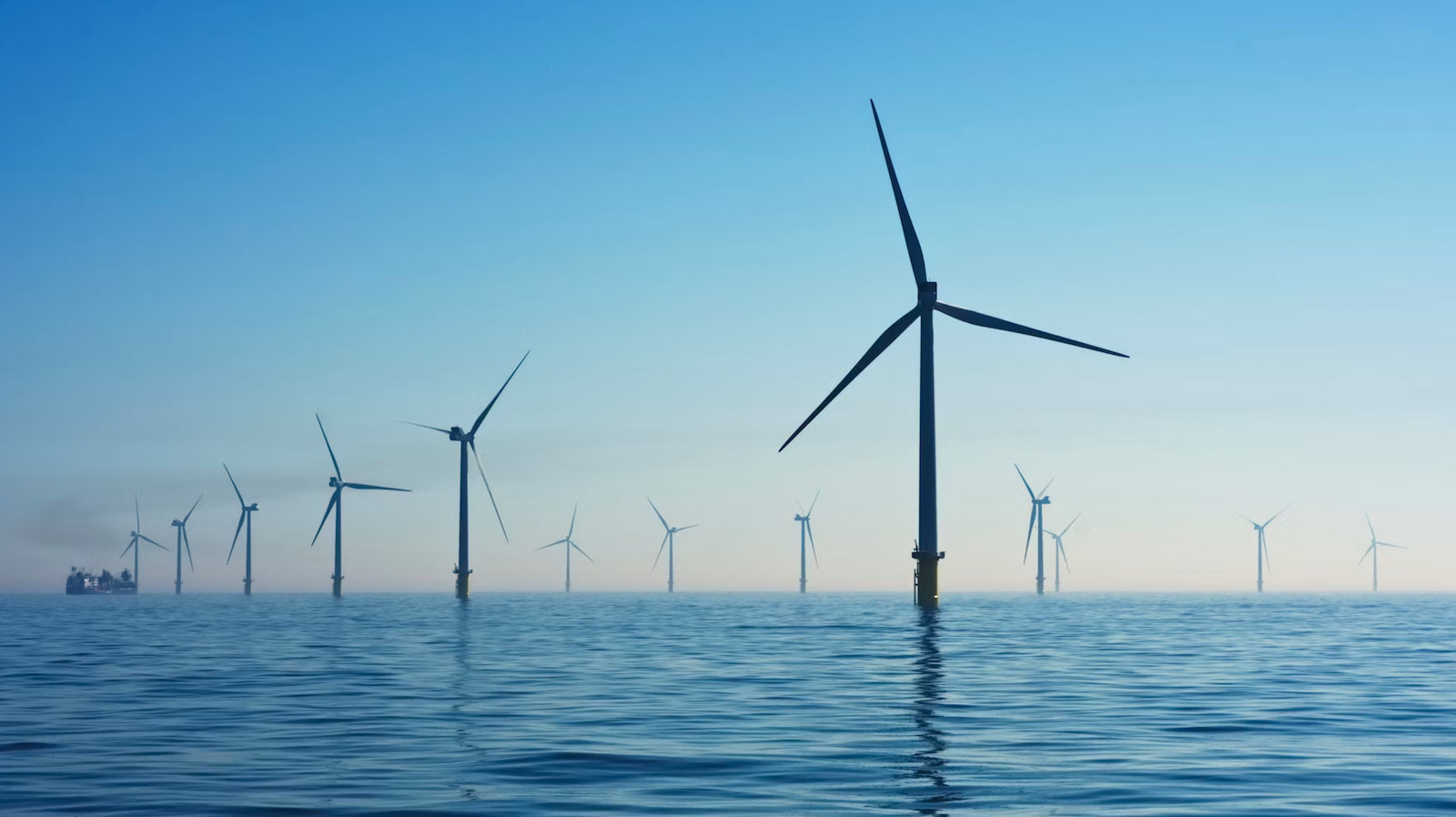
Trump administration spends another $1.2 billion to kill offshore wind farm projects
 ↗
↗
The Trump administration paid $1.2 billion to cancel offshore wind leases with RWE, redirecting funds to LNG and natural-gas peaker-plant projects.
For engineers building or operating grid software, the move reduces near-term renewable generation capacity and shifts investment toward fossil-fuel-based assets. It also increases the need for control and optimization software for LNG facilities and peaker plants while decreasing demand for wind-forecasting and integration tools.
Written by elseif from the cluster below · every claim links back to a sourceThe three things worth knowing
The deal cancels offshore wind leases near New York, California and Louisiana, removing planned wind capacity from those regions.
RWE will spend $900 million for a 16 % stake in a Woodside Energy LNG project in Louisiana and $300 million to develop 15 natural-gas peaker plants nationwide.
Taxpayer funds from the Department of the Interior are being used, bringing the total spent by the administration on canceling offshore wind projects to about $4 billion.
THE READ
What the cluster adds up to.
The Trump administration reached a settlement with RWE to cancel offshore wind leases that had been acquired under the Biden administration for New York, California and Louisiana. The settlement provides $1.22 billion in funds, drawn from the Department of the Interior, to be redirected toward fossil-fuel investments. As part of the agreement, RWE will take a 16 % stake in a Woodside Energy liquified natural gas project in Louisiana and fund development of 15 natural-gas peaker plants across the United States. This marks the fifth such payout by the administration to abandon renewable energy contracts.
The direct financial cost to taxpayers is the $1.2 billion paid in this deal, adding to a cumulative total of about $4 billion spent on similar cancellations. By removing planned wind capacity, the grid loses a source of low-marginal-cost electricity that would have lowered wholesale prices. The shift to LNG and peaker plants locks in fuel-price exposure and ongoing operating costs for those assets. Critics argue the spending keeps more expensive fossil-fuel generation on the system, potentially raising consumer bills.
LNG facilities and peaker plants are subject to federal pollution limits, and a recent Environmental Integrity Project report found every fully operational U.S. LNG plant violated those limits, discharging illegal amounts of dangerous substances into waterways. Peaker plants, while useful for short-term spikes, are inefficient and emit higher CO₂ per megawatt-hour than baseload renewables. Relying on these assets for long-term energy security therefore conflicts with decarbonization goals and may lead to stranded-asset risk if future regulations tighten. The approach stops working when climate policy or market forces require deep cuts in fossil-fuel use.
For software engineers, the reduced pipeline of offshore wind projects lessens demand for wind-resource forecasting, turbine-control algorithms, and renewable-integration platforms. Conversely, there is likely increased need for software that manages LNG plant operations, monitors emissions compliance, and optimizes the dispatch of natural-gas peaker plants. Grid-balancing tools will have to accommodate less variable renewable output and more predictable, but carbon-intensive, generation. Engineers may also see growth in tools for tracking fuel-price risk and assessing the economic life of fossil-fuel assets under evolving policy.
The analysis is based on a single news feed, so there is no independent corroboration of the figures or the administration’s motives. Readers should treat the numbers as reported by the source and consider seeking additional documentation for verification. Until further evidence appears, the engineering implications remain inferred from the reported transaction.
Written by elseif from the cluster below · checked for specifics the sources never containedTHE CLUSTER