TECH Signal 393
US Navy reportedly reverts future carrier CVN-81 to steam catapults and hydraulic elevators
 ↗
↗
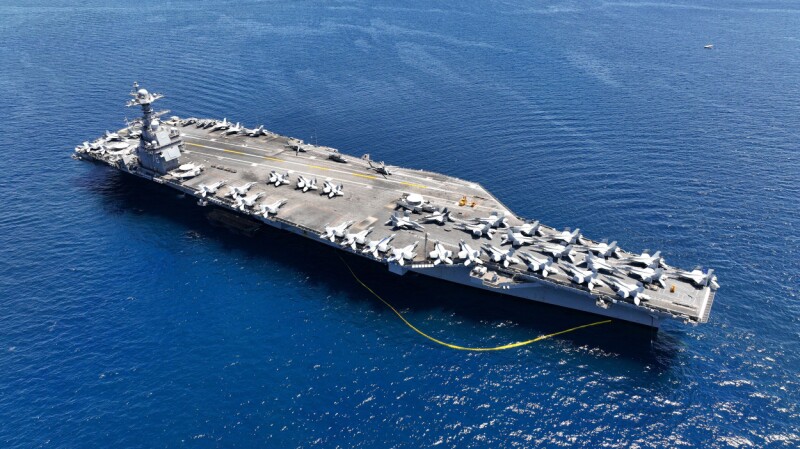
A presidential directive orders the replacement of electromagnetic aircraft launch systems and weapons elevators on the next Ford-class carrier with older steam and hydraulic technology.
The shift back to steam catapults and hydraulic elevators reverses a decade-long push toward electromagnetic systems, which promised higher sortie rates but have faced reliability issues. For engineers, this decision trades proven but mechanically complex steam systems for the maintenance and integration challenges of newer, unproven tech. The change may also signal broader skepticism toward high-risk naval innovation programs.
Written by elseif from the cluster below · every claim links back to a sourceThe three things worth knowing
The USS Doris Miller (CVN-81) will replace its planned Electromagnetic Aircraft Launch System (EMALS) with steam catapults.
Advanced Weapons Elevators using linear motors will be swapped for hydraulic versions from older carriers.
The directive applies only to CVN-81, with no confirmation of broader adoption across future carriers.
THE READ
What the cluster adds up to.
The presidential memorandum mandates a return to steam-powered catapults and hydraulic weapons elevators for the future USS Doris Miller (CVN-81), abandoning the electromagnetic systems introduced on the USS Gerald R. Ford. EMALS was designed to improve sortie generation rates by allowing finer control over launch power, but its teething problems, including complete operational failures, have undermined confidence. The hydraulic elevators, while less advanced, are a known quantity with decades of service history, reducing the risk of delays or cost overruns during the carrier’s construction.
For engineers, this reversal highlights the trade-offs between innovation and reliability in naval systems. Steam catapults require complex piping, high-pressure boilers, and frequent maintenance, but their mechanical simplicity makes them easier to troubleshoot than EMALS’s linear induction motors and power electronics. The decision may also reflect broader concerns about the Ford-class’s ability to meet its promised sortie rates, which were a key selling point for the new design. However, reverting to steam could limit future upgrades, as electromagnetic systems were intended to support heavier and more advanced aircraft.
The directive is narrowly scoped to CVN-81, leaving the fate of EMALS on subsequent carriers unclear. Earlier reports suggested a review of the Ford-class design for CVN-82 and CVN-83, but this memorandum does not extend the steam requirement beyond CVN-81. The lack of clarity raises questions about whether the Navy will double down on fixing EMALS or phase it out entirely. The broader memorandum also targets naval shipbuilding inefficiencies, including foreign involvement in construction, but the catapult decision stands out as a concrete step backward in technology adoption.
Operationally, the shift to steam catapults could simplify training and logistics, as crews would no longer need to maintain two distinct launch systems across the carrier fleet. However, it may also reduce the Navy’s flexibility in launching a wider range of aircraft, as EMALS was designed to accommodate everything from lightweight drones to heavy strike fighters. The hydraulic elevators, while reliable, may struggle to keep pace with the demands of modern carrier operations, particularly if sortie rates are prioritized. The decision underscores the tension between rapid deployment and technological advancement in military procurement.
Written by elseif from the cluster below · checked for specifics the sources never containedTHE CLUSTER