SECURITY Signal 409
US imposes 100 percent tariff on heavy and security-sensitive drones reportedly from China
 ↗
↗
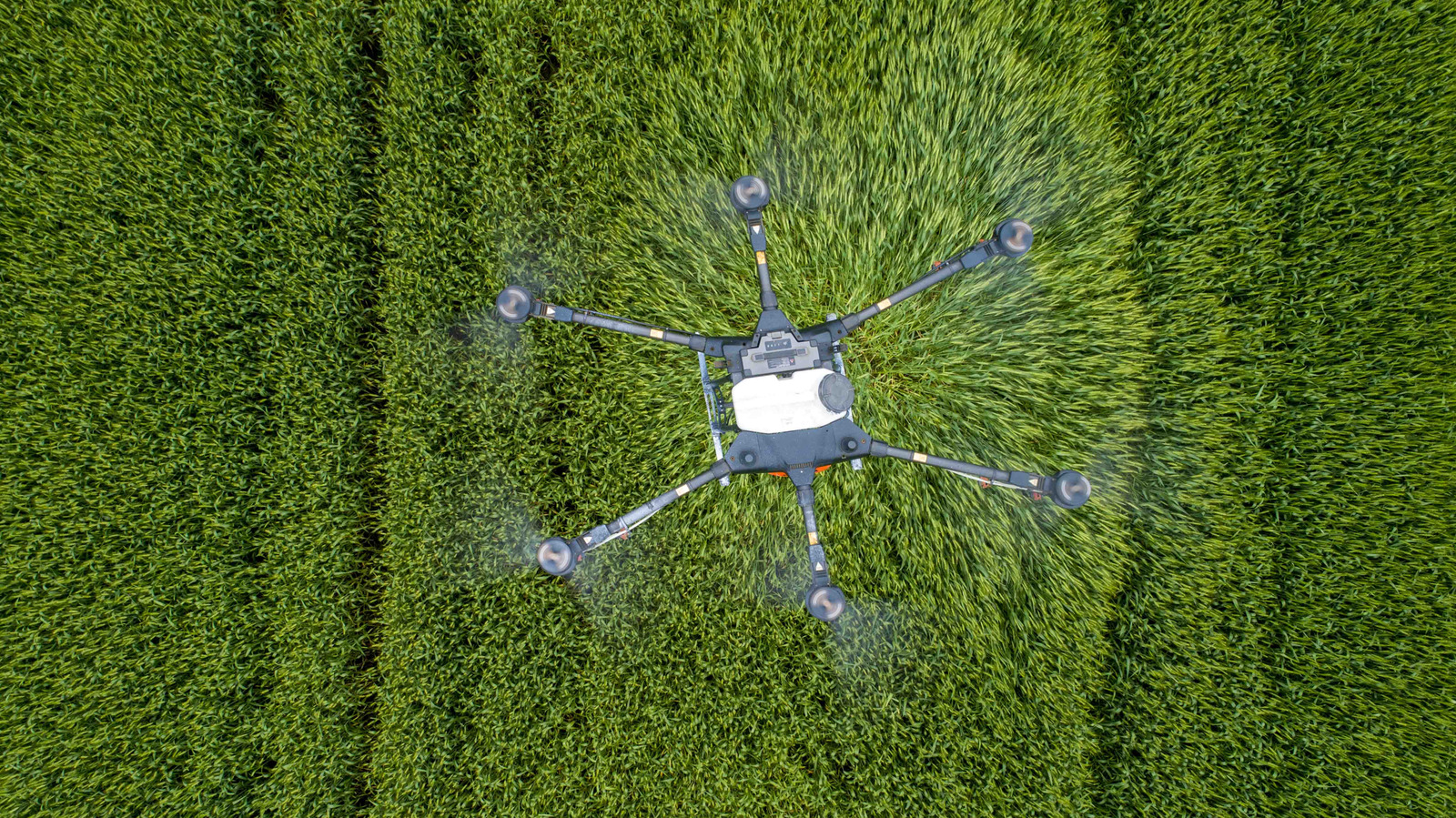
The US government has applied a 100 percent tariff on drones over 25 kg or those with thermal imaging or docking capabilities, targeting Chinese-made models.
This tariff forces operators of industrial and security-sensitive drones to either absorb higher costs or switch to less capable alternatives. It disrupts existing supply chains for critical infrastructure tasks like power line inspection and search-and-rescue operations. The move also signals a push to reshore drone manufacturing, though immediate alternatives may lack the performance of current Chinese models.
Written by elseif from the cluster below · every claim links back to a sourceThe three things worth knowing
Drones over 25 kg or with thermal imaging/docking face a 100 percent tariff, effectively doubling their cost.
Smaller drones and those from allied nations face lower tariffs of 10 to 25 percent.
The policy aims to reduce reliance on Chinese drone technology but may limit access to high-performance models in the short term.
THE READ
What the cluster adds up to.
The tariff targets a specific segment of the drone market: heavy or security-sensitive models, primarily supplied by Chinese manufacturers like DJI. Operators using these drones for tasks such as crop spraying, infrastructure inspection, or emergency response will face a sudden cost increase, potentially doubling the price of affected models. This could force organizations to delay purchases, downsize fleets, or switch to less capable alternatives, which may not meet operational requirements for range, payload, or sensor quality.
The policy differentiates between drone categories, applying a 100 percent tariff only to larger or more advanced models. Smaller drones, which are less critical for industrial or security applications, face a 25 percent tariff, while drones from allied nations like the UK, EU, or Japan receive even lower rates. This tiered approach suggests an intent to balance national security concerns with the need to avoid a complete disruption of the drone market. However, the effectiveness of these lower tariffs depends on whether allied manufacturers can scale production to meet demand quickly.
The tariff is part of a broader effort to reduce dependence on Chinese drone technology, which currently dominates the global market due to its advanced capabilities and cost efficiency. The US government is simultaneously offering incentives for domestic drone manufacturing, but building a competitive supply chain will take time. In the interim, operators may struggle to find alternatives that match the performance of Chinese models, particularly for specialized tasks like thermal imaging or long-duration flights. This gap could create operational challenges for industries reliant on high-end drones.
The move also closes a loophole that allowed companies to import Chinese components and assemble drones domestically, a practice that undermined earlier efforts to localize production. By imposing tariffs on components as well as finished products, the policy aims to force a more complete shift toward domestic or allied supply chains. However, the lack of existing infrastructure and expertise in the US means that even with incentives, the transition may be slow and costly. Operators may face a period of reduced capability or higher costs until domestic alternatives mature.
Written by elseif from the cluster below · checked for specifics the sources never containedTHE CLUSTER