TECH Signal 142
Trump's War With Iran Enters Month 7 Amid Oil Supply Crisis
 ↗
↗
The latest expansion of the war into Yemen is compounding the damage to oil supplies.
The ongoing conflict has significant implications for global oil supply and prices, impacting various sectors including transportation. The war's expansion into Yemen raises concerns about further destabilization in the region, which could exacerbate supply issues. Understanding these dynamics is crucial for engineers and businesses reliant on stable energy supplies.
Written by elseif from the cluster below · every claim links back to a sourceThe three things worth knowing
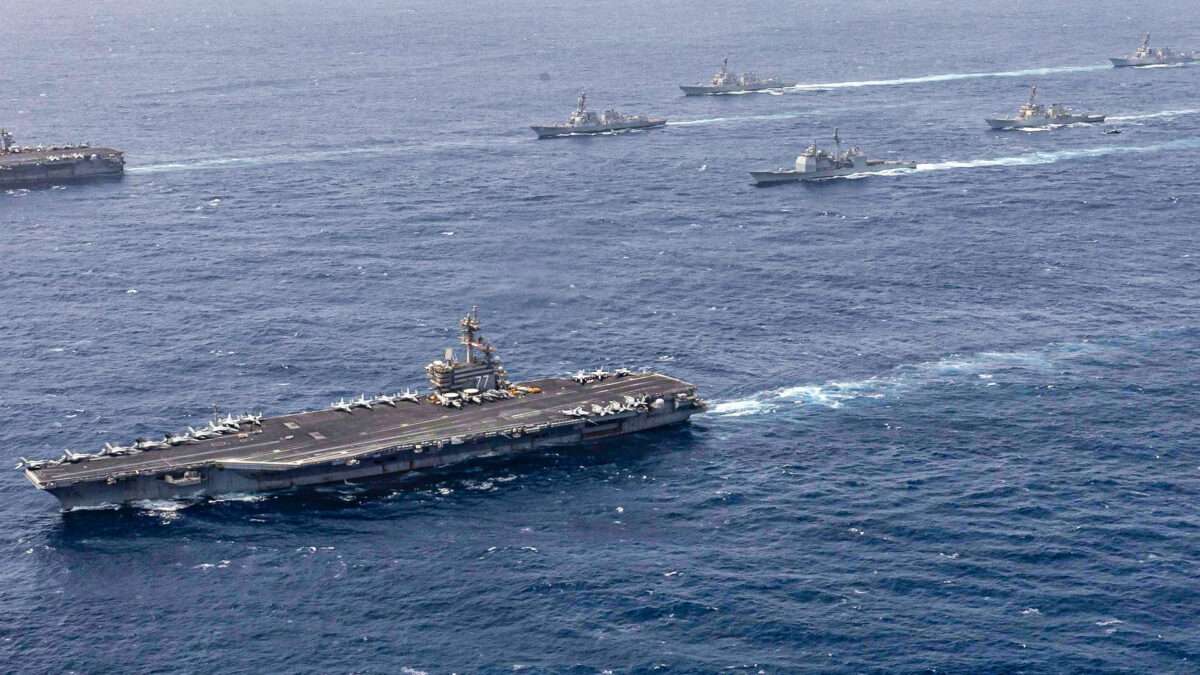
The U.S. Navy is heavily engaged in enforcing a blockade of Iran, straining military resources.
Record high diesel prices are affecting transportation and airline operations due to fuel shortages.
The conflict's unpopularity among Americans suggests a challenging political environment for further military involvement.
THE READ
What the cluster adds up to.
The conflict, initially promised to be short-lived, has now extended into its seventh month, creating significant challenges for oil supply chains. The U.S. government's efforts to maintain low oil prices are increasingly at odds with the realities of supply and demand, leading to a potential crisis in energy availability.
As diesel prices reach record highs, industries reliant on fuel may face increased operational costs or disruptions. Airlines are already canceling flights due to jet fuel issues, highlighting the ripple effects of the conflict on essential services and commerce.
The U.S. military's involvement in both the Iranian blockade and the Yemeni conflict puts additional pressure on resources, complicating logistics and munitions supply. This dual engagement raises concerns about the sustainability of U.S. military operations in the region.
Public sentiment against the war is growing, indicating that any plans for escalation may be met with resistance. Lawmakers are expressing concerns about the effectiveness of U.S. strategy, which could limit options moving forward and impact military readiness.
The broader geopolitical implications of the U.S.-Saudi joint command in Yemen and the potential for further conflict could create instability in global markets, affecting engineers and businesses that depend on predictable energy prices and supply chains.
Written by elseif from the cluster below · checked for specifics the sources never containedTHE CLUSTER