TECH Signal 377
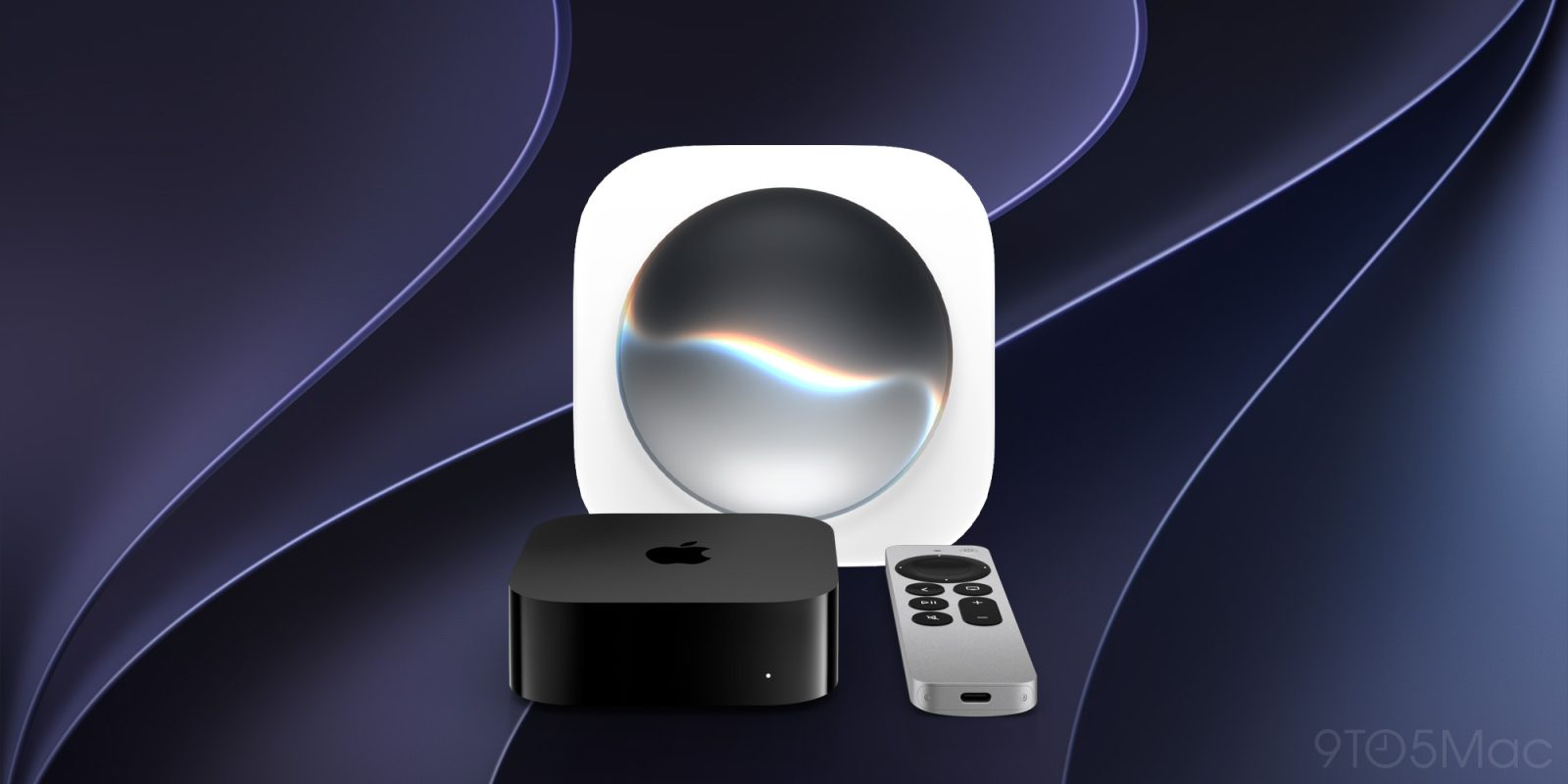
tvOS 27 reportedly adds Siri AI to Apple TV 4K alongside new Siri Remote
 ↗
↗
Apple’s tvOS 27 update is expected to introduce Siri AI capabilities for Apple TV 4K, alongside a hardware refresh including an upgraded Siri Remote.
This update extends Siri AI to a platform previously excluded, potentially improving voice control and automation for home entertainment. The new Siri Remote may address long-standing usability or tracking issues, but adoption depends on hardware upgrades.
Written by elseif from the cluster below · every claim links back to a sourceThe three things worth knowing
tvOS 27 will reportedly integrate Siri AI, bringing features like contextual responses and automation to Apple TV 4K.
A new Siri Remote is expected, with possible Ultra Wideband support for easier tracking or additional functionality.
The update requires a hardware refresh, limiting benefits to users of the upcoming Apple TV 4K model.
THE READ
What the cluster adds up to.
The addition of Siri AI to tvOS 27 marks a functional expansion for Apple TV 4K, which was excluded from the initial rollout in June. This suggests Apple is unifying its AI capabilities across platforms, though the delay implies technical or integration challenges specific to the TV ecosystem. For engineers, this could mean new APIs or frameworks for voice-driven interactions, but the lack of details on performance or limitations leaves questions about real-world utility.
The upgraded Siri Remote, referenced in macOS 26.7 code as ATVRemote1,5, is likely a hardware prerequisite for some AI features. If Ultra Wideband is included, it could enable precise tracking, addressing a common pain point, but this would require the second-generation chip, adding cost and complexity. The remote’s design changes remain speculative, so its impact on workflows (e.g., navigation, accessibility) is unclear until release.
Adoption of these changes hinges on hardware upgrades, as tvOS 27 will reportedly only support the new Apple TV 4K. This creates a fragmented experience for users on older models, who may miss out on AI features or remote improvements. For developers, this could mean maintaining backward compatibility while optimizing for new hardware, adding overhead to app development or testing.
The timing of the leak, ahead of an iPhone event, suggests a coordinated launch, but the lack of concrete details on Siri AI’s capabilities (e.g., offline processing, third-party app integration) limits assessment. If the AI is cloud-dependent, latency or privacy concerns could emerge, particularly in regions with slower connectivity. The remote’s changes, while incremental, may set a precedent for future input devices across Apple’s ecosystem.
Written by elseif from the cluster below · checked for specifics the sources never containedTHE CLUSTER