TECH Signal 388
Ukraine reverse-engineers Chinese drone, builds $48k 2,000 km MICH 2000 that downed Tu-95MS
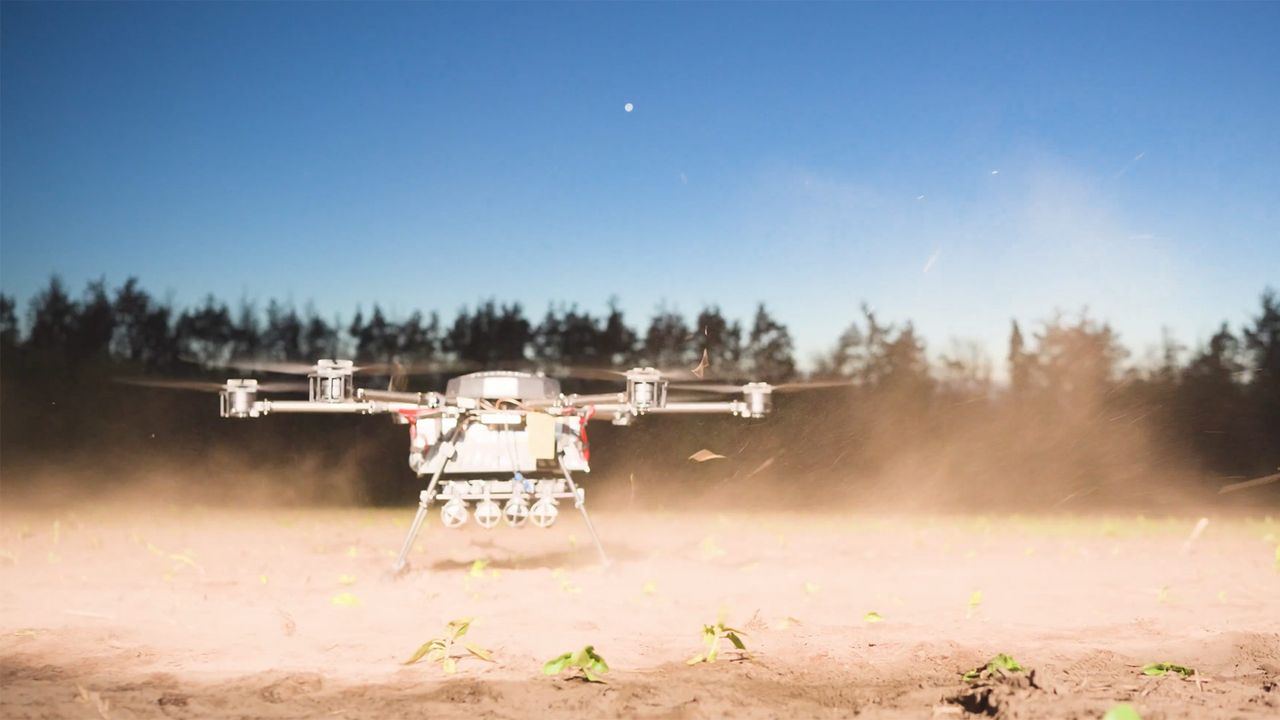 ↗
↗
Ukraine’s SBU Alpha unit deployed a locally built MICH 2000 drone, reverse-engineered from a Chinese ZTK-150 after covert factory photography, to destroy a Russian Tu-95MS bomber at Engels-2 with a 2,000 km range and a $48,000 unit cost while producing about 6,000 per year.
The MICH 2000 provides a low-cost, long-range strike option that leverages domestic manufacturing and reduces reliance on foreign suppliers for deep-penetration missions. Its ability to carry a 60 kg warhead over 2,000 km at $48,000 per unit changes the cost calculus for attacking high-value Russian assets such as strategic bombers. However, the need for expensive, scarce jam-resistant CRPA navigation antennas and vulnerability to Russian electronic warfare limit its effectiveness in heavily contested environments.
Written by elseif from the cluster below · every claim links back to a sourceThe three things worth knowing
The MICH 2000 is a reverse-engineered copy of the Chinese ZTK-150 obtained after covert photography of the factory line.
Each unit costs $48,000, carries a 60 kg warhead up to 2,000 km, and about 6,000 are produced yearly.
The drone destroyed a Russian Tu-95MS bomber at Engels-2, demonstrating Ukraine’s new long-range strike capability.
THE READ
What the cluster adds up to.
Ukraine’s SBU Alpha unit obtained a MICH 2000 drone after reverse-engineering a Chinese ZTK-150 that was photographed covertly at a factory. The drone is a flying-wing design with a 2,000 km range and a 60 kg warhead. It costs $48,000 per unit in base configuration, $2,000 less than the original Chinese model. This gives Ukraine a new long-range strike capability that was previously unavailable.
The manufacturer reports domestic content of about 85% of the drone’s value, sourced from dozens of Ukrainian suppliers. Adding a jam-resistant CRPA navigation antenna reduces domestic content to roughly 55% because the antenna costs $20,000-$25,000 and only a few firms make it. The company builds around 6,000 MICH 2000 drones each year across eight variants, reinvesting roughly $1 million monthly in R&D. Production is scaling toward 10,000 units annually, with options for analog, digital or Starlink communications.
In combat, Alpha has launched thousands of MICH 2000s at hundreds of targets, including a Wildberries logistics hub, an anti-Starlink EW site near Gelendzhik and the port of Ust-Luga. The Engels-2 strike removed the tail section of a Tu-95MS bomber, later confirmed by satellite imagery. Early prototypes suffered crashes and electronic-warfare losses, yet production proceeded. The drone’s reliance on scarce CRPA antennas and susceptibility to Russian EW limit its effectiveness in heavily contested airspace.
Written by elseif from the cluster below · checked for specifics the sources never containedTHE CLUSTER