INFRA Signal 245
US beef prices have soared but farmers aren't making more money
 ↗
↗
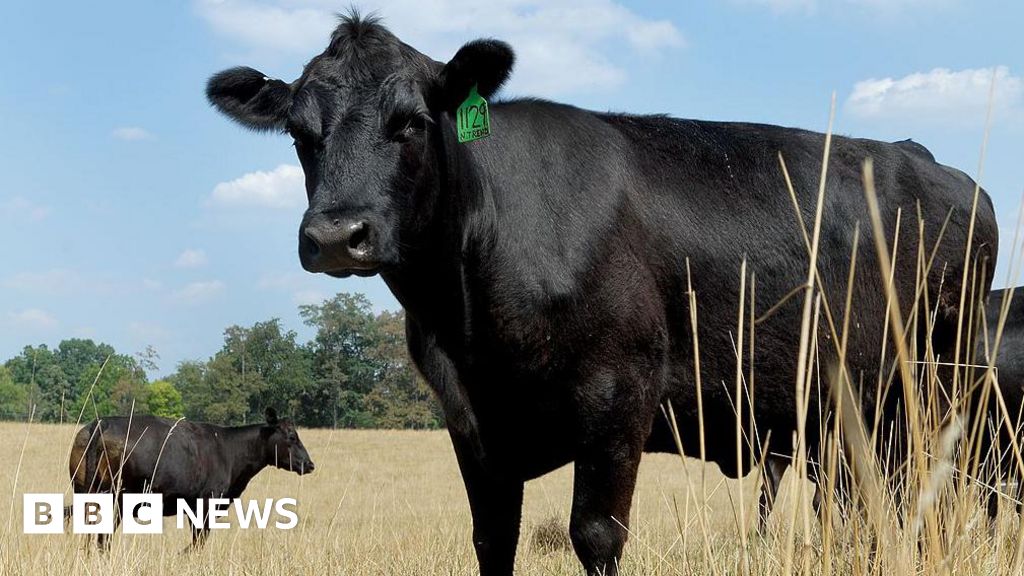
US beef retail prices have jumped to record levels, but ranchers, feedlots and meatpackers see little to no profit improvement because their input and purchase costs have risen in step.
Engineers designing supply-chain, pricing or forecasting tools must account for the fact that revenue spikes can be neutralized by simultaneous cost inflation, especially in tightly-concentrated markets. The case shows that price signals at the consumer end do not guarantee higher margins upstream, affecting budgeting, risk modeling and system design for agricultural tech platforms.
Written by elseif from the cluster below · every claim links back to a sourceThe three things worth knowing
Retail beef prices are up about 12% year-over-year, driven by a nationwide shortage of cattle caused by drought and disease pressures.
Ranchers, feedlots and packers all face sharply higher operating and purchase costs that offset the higher sale prices, leaving profit margins essentially flat.
A small group of meatpackers controls most processing capacity, and consumer sensitivity to price limits how much of the cost increase can be passed through to shoppers.
THE READ
What the cluster adds up to.
The surge in beef prices stems from a historic low in cattle inventories, a condition linked to drought-related water scarcity and disease impacts across multiple states. Auction bids for calves have reached levels not seen before, pushing the headline price of beef upward. This supply squeeze is the primary driver of the 12% increase in supermarket beef costs compared with a year ago.
For ranchers, the higher calf prices are counterbalanced by a steep rise in everyday expenses. Groundwater wells on many farms have dried, forcing the use of costly water tankers, while fuel, vehicle, fencing and feed prices have all more than doubled since the pandemic. The net effect is that, despite selling animals at record prices, ranchers report profit levels similar to previous years.
Feedlots that purchase these calves for finishing also encounter higher acquisition costs, with some operators noting a 60% increase in the price paid for live cattle over the past three years. Although they can sell the finished beef at higher retail prices, the margin gain is eroded by the inflated purchase price, limiting any real profit uplift for the operation.
The meatpacking segment, dominated by four large firms, buys cattle at the same peak prices and therefore struggles to maintain profitability. One of the biggest packers disclosed a multi-hundred-million-dollar loss on beef in a recent half-year period, illustrating that higher downstream prices do not automatically translate into higher upstream earnings. Capacity constraints and the ability of consumers to switch to cheaper proteins further cap the price that packers can charge at retail.
From an engineering perspective, these dynamics highlight the need for models that tie cost inputs directly to revenue streams rather than assuming a linear pass-through of price increases. Systems that monitor supply-chain shocks, such as drought-induced water loss or disease outbreaks, must also factor in market concentration effects that restrict price elasticity. Without such integrated visibility, forecasting tools risk overestimating profit margins in volatile agricultural markets.
Written by elseif from the cluster below · checked for specifics the sources never containedTHE CLUSTER