SECURITY Signal 400
Idaho National Laboratory reportedly investigates Chinese lidar security risks for electric and autonomous vehicle firms
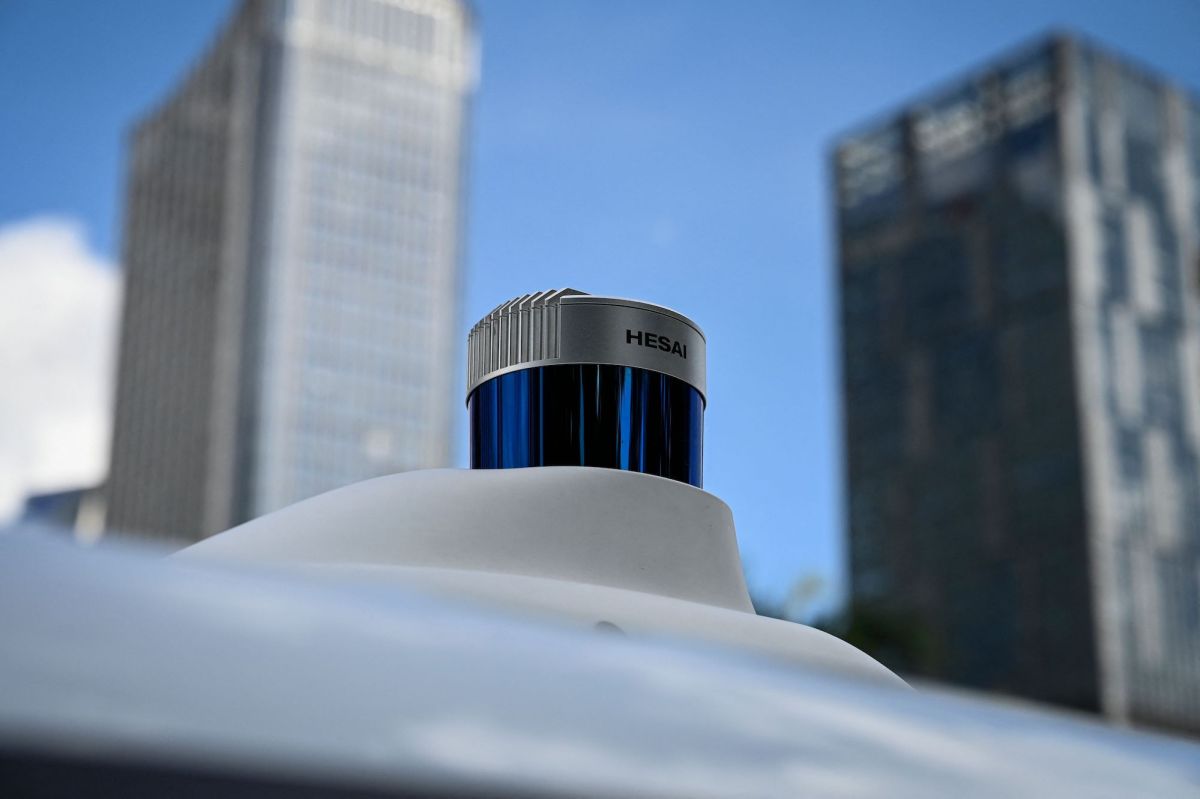 ↗
↗
The Idaho National Laboratory is conducting a security review of Chinese lidar sensors, funded by companies in the electric and autonomous vehicle industries, amid legislative pressure to ban them.
Lidar is essential for autonomous vehicles, and Chinese suppliers have made it affordable, but a security review could change the supply chain. If risks are confirmed, automakers may need to switch to costlier alternatives, affecting vehicle development and deployment. The review's outcome could also influence pending legislation on Chinese lidar bans.
Written by elseif from the cluster below · every claim links back to a sourceThe three things worth knowing
The Idaho National Laboratory is performing the security review, funded by an unnamed company or group in the electric and autonomous vehicle industries.
Lawmakers are crafting bills to ban Chinese lidar, citing concerns about espionage and backdoors.
Chinese lidar costs have dropped from $75,000 to a few hundred dollars, making it attractive but raising security questions.
THE READ
What the cluster adds up to.
The security review marks a new phase in the lidar industry, where the technology is now being scrutinized for cybersecurity risks rather than just performance and cost. The funding from electric and autonomous vehicle companies suggests that industry players are either seeking reassurance or preparing for potential restrictions. This review could set a precedent for how other sensor technologies are evaluated.
The cost dynamics are central to the issue. Chinese lidar suppliers like Hesai and RoboSense have driven prices down dramatically, making lidar viable for mass-market vehicles. If the review leads to bans or restrictions, automakers may be forced to switch to more expensive non-Chinese alternatives, potentially slowing the adoption of autonomous driving features. Engineers will need to weigh the security risks against the cost benefits.
The review focuses on cybersecurity risks, including the possibility of sensors being disabled en masse or transmitting detailed data via cellular chips. While these risks are plausible, the article notes that it's not obvious how widespread disruption could be achieved. The outcome of the review could either provide a clean bill of health or raise red flags, directly impacting the design choices of engineers building autonomous systems.
The legislative context adds urgency. With multiple bills being crafted to ban Chinese lidar, the review's findings could influence policy. If the review finds vulnerabilities, it could accelerate bans; if it clears the sensors, it might temper legislative efforts. Engineers must monitor these developments as they could affect supply chains and regulatory compliance for vehicles using lidar.
Written by elseif from the cluster below · checked for specifics the sources never containedTHE CLUSTER