TECH Signal 406
US imposes 100% tariffs on foreign drones over 25kg or with thermal imaging targeting China
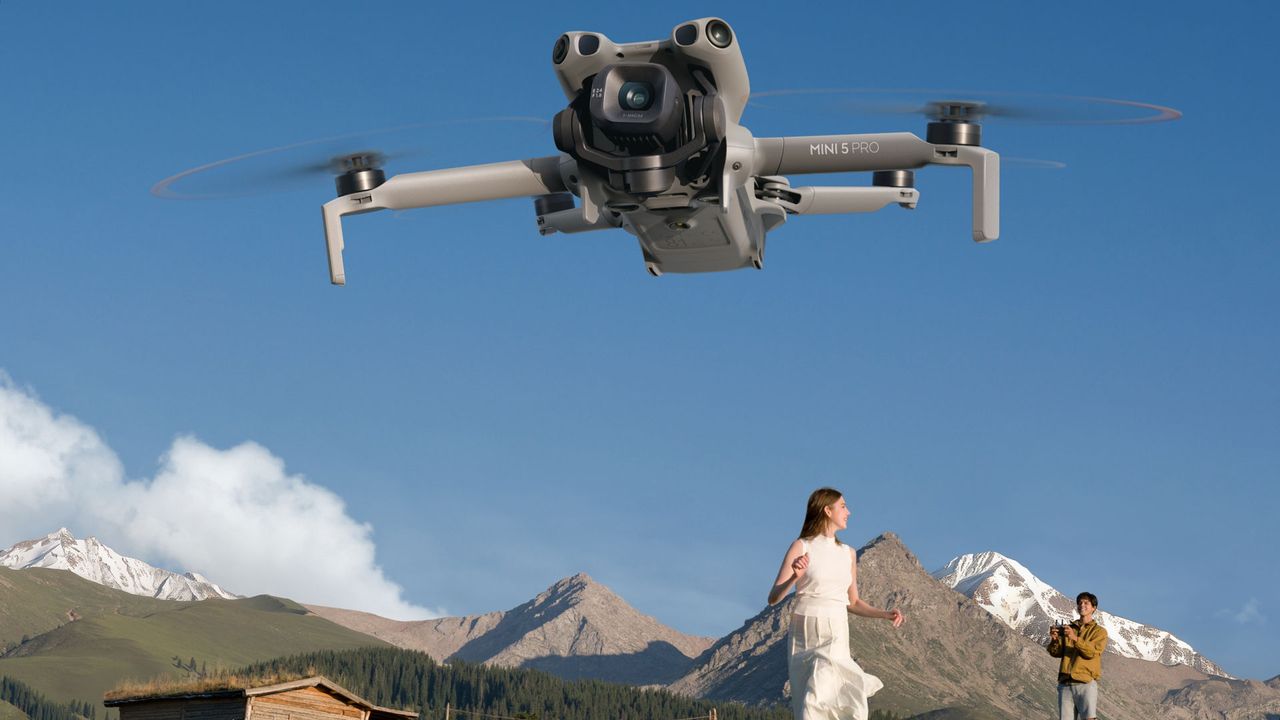 ↗
↗
The US has introduced tariffs of up to 100% on foreign-made drones and components, primarily targeting China to reduce reliance on overseas suppliers for national security reasons.
This move forces US commercial and government drone users to shift to domestic or allied suppliers, increasing costs and supply chain complexity. It also signals a broader effort to decouple from Chinese tech dependencies, which may accelerate domestic drone manufacturing but could disrupt existing procurement pipelines.
Written by elseif from the cluster below · every claim links back to a sourceThe three things worth knowing
Drones over 25kg or with thermal imaging face 100% tariffs, while smaller drones incur 25% duties.
Allies like the EU, Japan, and the UK receive lower tariff rates of 10-15% if components originate locally or in the US.
The policy aims to curb supply-chain rerouting that allegedly helps China bypass existing trade restrictions.
THE READ
What the cluster adds up to.
The US has imposed steep tariffs on foreign-made drones and components, with the highest rates reserved for larger or more sensitive systems. Drones weighing over 25kg or equipped with thermal imaging now face a 100% tariff, effectively doubling their cost for US buyers. Smaller drones, classified as less sensitive, are subject to a 25% duty. This tiered approach suggests a focus on mitigating perceived national security risks while still allowing some access to lower-cost imports for less critical applications.
The policy includes carve-outs for close allies, offering reduced tariffs of 10-15% for drones and components originating from the EU, Japan, Switzerland, Taiwan, or the UK. This exception is conditional on hardware and technology being sourced from these regions or the US, aiming to incentivize supply chain diversification away from China. However, the lower rates may not fully offset the cost increase for US buyers, particularly if domestic or allied alternatives are more expensive or less available.
The tariffs are part of a broader strategy to reduce reliance on Chinese drone manufacturers, which dominate both consumer and commercial markets. The administration has cited concerns over surveillance, data exfiltration, and potential disruptions as justification for the move. By targeting supply-chain rerouting, where components are allegedly laundered through third-party nations, the policy seeks to close loopholes that have allowed Chinese-made parts to enter the US market despite existing restrictions.
For US drone operators, the immediate impact will be higher costs and potential supply chain disruptions. Commercial and government agencies may need to pivot to domestic suppliers like AeroVironment or Aevex, though these alternatives may not yet match the scale or cost-effectiveness of Chinese offerings. The policy could accelerate domestic drone manufacturing but may also create short-term shortages or delays as the market adjusts. Smaller drone users, particularly in consumer markets, may face limited options if domestic production fails to meet demand.
The move aligns with earlier actions, such as the FCC’s ban on new foreign-made drones, signaling a sustained effort to decouple from Chinese tech dependencies. While the tariffs may bolster national security objectives, they also risk inflating costs for industries reliant on drones, from agriculture to infrastructure inspection. The long-term success of the policy will depend on whether domestic manufacturers can scale production to meet demand without sacrificing affordability or innovation.
Written by elseif from the cluster below · checked for specifics the sources never containedTHE CLUSTER