TECH Signal 507
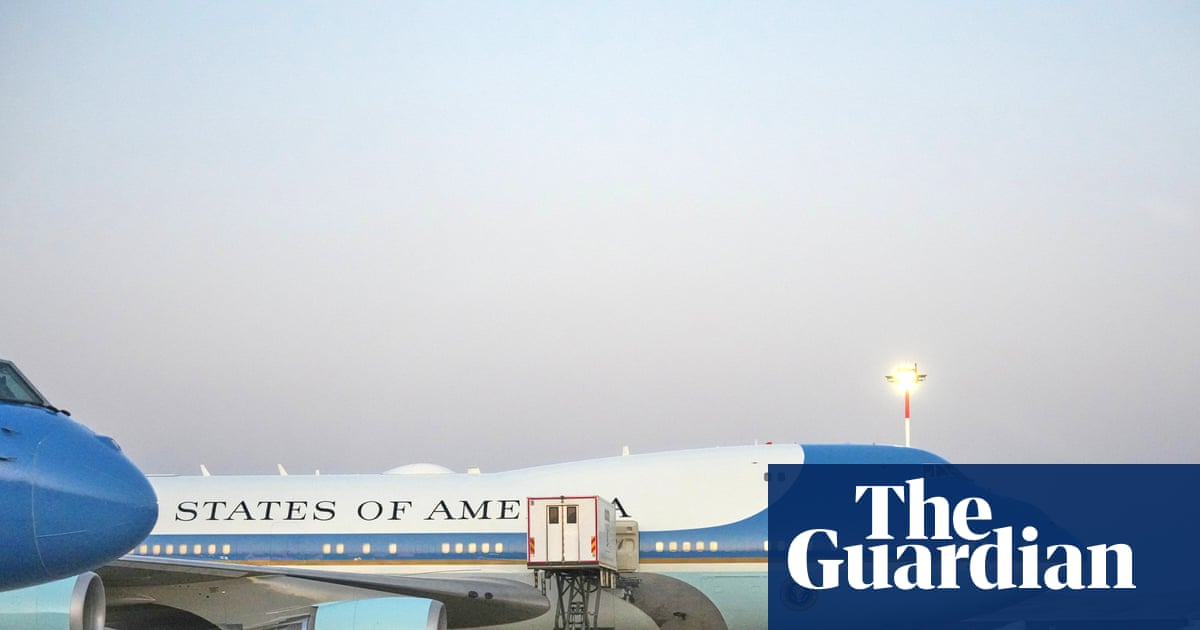
US President hid in catering cart for secret flight in Turkey amid Iran threat
 ↗
↗
A credible threat linked to Iran prompted officials to move the president secretly via a catering truck to a smaller aircraft while publicly appearing to depart on the older Air Force One.
This episode shows how high-level security operations can rely on deception and misdirection to protect a principal when conventional travel is deemed risky. It highlights the logistical overhead and coordination required to execute such a ruse, including extra aircraft, ground vehicles, and controlled information flow. For engineers responsible for secure transport or communications, the case illustrates both the value and the limits of concealment-based tactics.
Written by elseif from the cluster below · every claim links back to a sourceThe three things worth knowing
The deception was triggered by a specific, credible threat linked to Iran, prompting a covert movement plan.
Officials used a catering truck to hide the president and transfer him to a C-32A military jet while media remained on the older Air Force One.
The operation depended on controlling information (closed window shades, false statements) and succeeded only as long as the ruse remained undiscovered.
THE READ
What the cluster adds up to.
The operation altered the usual presidential departure procedure by inserting a concealed leg of travel. After appearing to board the older Air Force One in front of cameras, the president was moved inside a catering truck to a smaller C-32A jet. This split the public itinerary from the actual flight path. The change was driven by a reported credible threat linked to Iran.
Executing the ruse required extra resources beyond a standard flight plan. A catering truck, normally used for meal loading, had to be positioned and used as a concealment vessel. Coordination between the White House, Air Force, and officials was needed to synchronize the public departure with the secret transfer. Maintaining the deception also demanded tight control over what journalists and staff were told about the flight.
The tactic succeeds only while the concealment remains undiscovered. If observers notice the catering truck moving unusually or if the closed window shades raise suspicion, the ruse can be exposed. The operation also depends on the accuracy of the threat intelligence; a mistaken or exaggerated threat would impose unnecessary complexity. Finally, the method relies on the availability of a suitable ground vehicle at the airport, which may not always be present.
For engineers tasked with secure transport or communications, the case shows that deception can add a layer of protection but introduces logistical overhead and failure modes. Designing alternatives that do not rely on concealment, such as hardened communications, route variability, or redundant aircraft, may reduce cost and increase reliability. Evaluating the trade-between operational secrecy and transparency helps determine when such measures are justified.
Written by elseif from the cluster below · checked for specifics the sources never containedTHE CLUSTER