TECH Signal 504
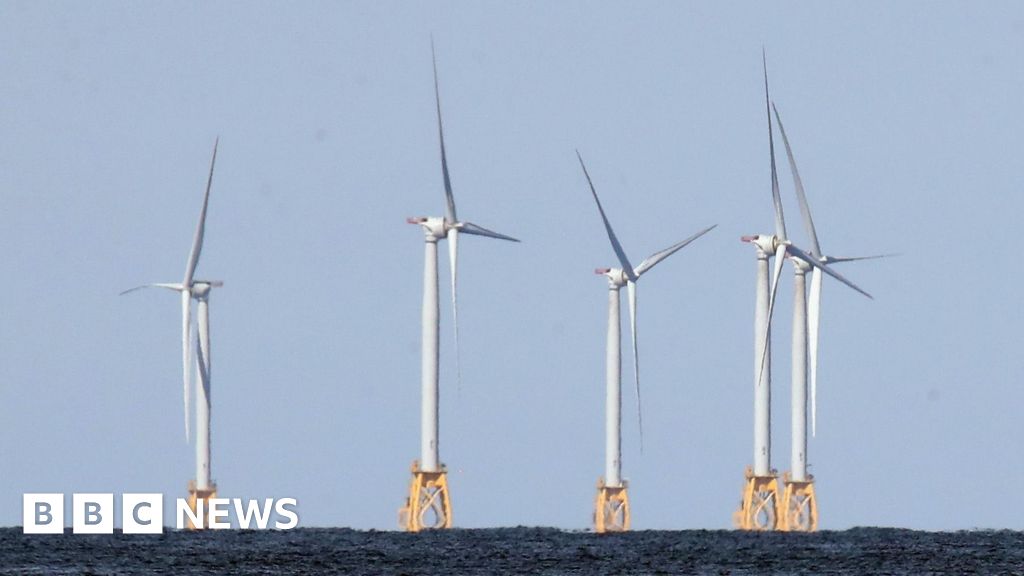
US strikes $1.2B deal to pay German firm to halt offshore wind projects
 ↗
↗
The US government agreed to pay RWE $1.2bn to cancel its offshore wind leases and redirect the funds toward gas and LNG infrastructure.
For engineers, the deal signals a shift from federal support for offshore wind to financial incentives for fossil-fuel projects. It may affect permitting timelines, investment priorities, and the technical focus of new energy infrastructure in US coastal waters.
Written by elseif from the cluster below · every claim links back to a sourceThe three things worth knowing
RWE will give up its leases off the California, Louisiana coasts and in the New York Bight.
The $1.2bn payout includes $900m earmarked for a liquefied natural gas export terminal in Louisiana.
Similar arrangements have been made with TotalEnergies and Duke Energy under the current administration’s energy policy.
THE READ
What the cluster adds up to.
The agreement changes the federal approach from subsidizing wind development to paying developers to abandon wind leases. This shift moves public money from renewable generation incentives to compensation for exiting those projects. Consequently, the funds are earmarked for conventional gas infrastructure, particularly an LNG export terminal. Engineers should note that the policy now rewards project termination rather than construction of new wind farms.
Adopting this model requires allocating billions to settle lease terminations and then investing in gas-related facilities. The $900m allocation for the Louisiana LNG terminal entails engineering work for liquefaction, storage, and loading systems. Additional costs include regulatory compliance for emissions, safety standards, and potential pipeline upgrades. These expenses represent a direct fiscal cost of the administration’s fossil-fuel-focused strategy.
The strategy may stall where state or local authorities continue to block gas terminal permits. If market demand for LNG weakens, the expected returns on the terminal investment could diminish. Legal challenges that reinstate wind permitting pathways would also undermine the deal’s effectiveness. In such cases, the paid-out funds might not yield the intended energy security benefits.
Parallel deals with TotalEnergies and Duke Energy show a pattern of swapping wind leases for fossil-fuel investments. Those agreements similarly directed funds toward LNG plants and upstream oil projects. The repeated use of this tactic indicates a broader administrative effort to reshape the US energy mix.
For engineers working on offshore energy, the reduced pipeline of wind projects means fewer opportunities for turbine installation and marine cabling work. Conversely, demand may grow for LNG terminal design, gas processing, and related safety engineering. Professionals should monitor policy shifts that could reverse or extend this compensation approach.
Written by elseif from the cluster below · checked for specifics the sources never containedTHE CLUSTER