TECH Signal 274
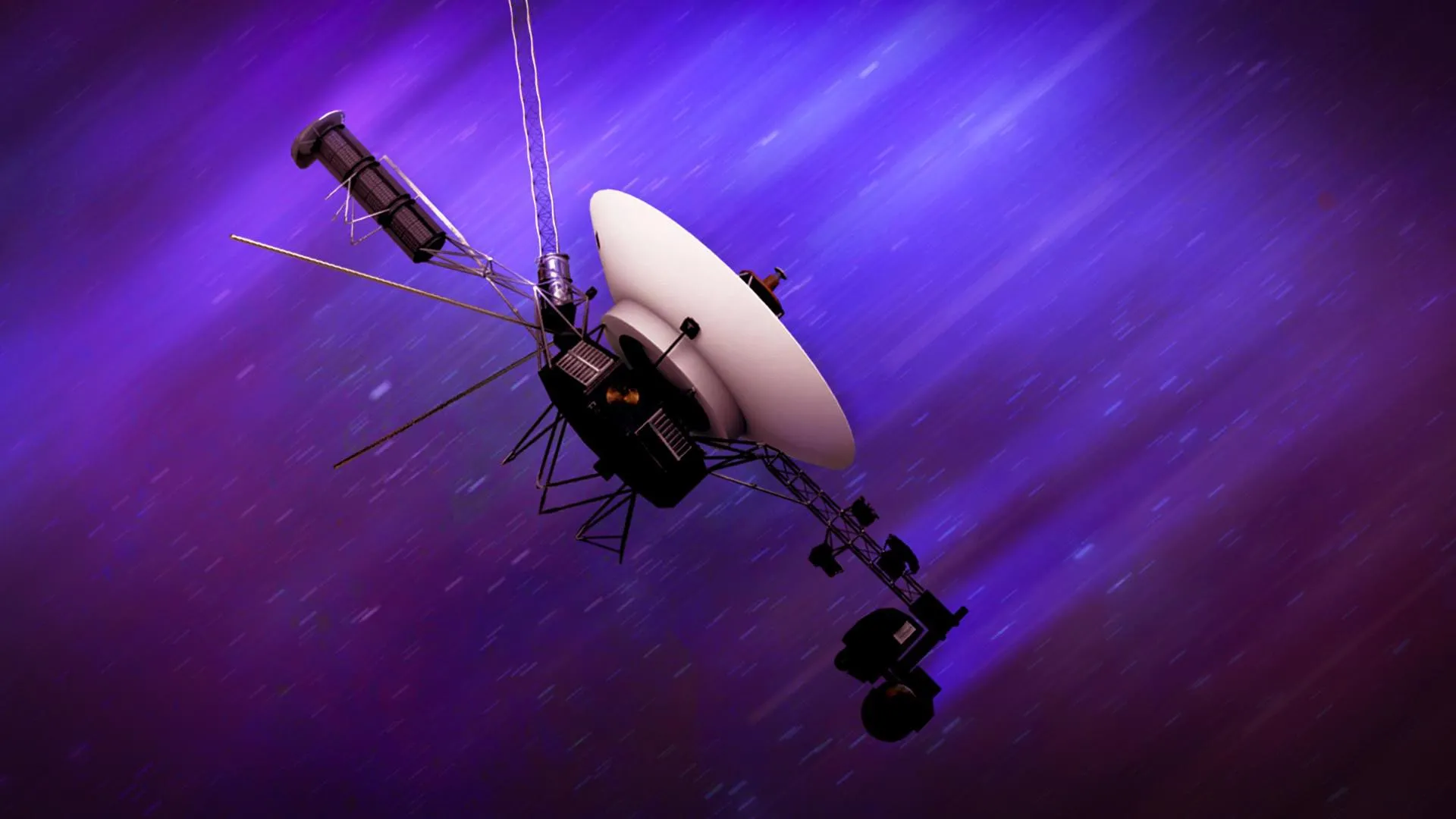
Voyager 2 was running out of power. NASA just bought it more time
 ↗
↗
NASA extended Voyager 2’s operational life by reallocating power from non-critical systems to keep its remaining science instruments running.
This change demonstrates how legacy systems can be adapted under extreme constraints, a lesson for engineers managing aging infrastructure. The techniques used may inform future deep-space missions where power margins are similarly tight. For software engineers, it highlights the value of runtime reconfiguration in resource-limited environments.
Written by elseif from the cluster below · every claim links back to a sourceThe three things worth knowing
Voyager 2’s power supply has degraded by about 4 watts per year due to decaying plutonium in its radioisotope generator.
NASA’s “Big Bang” operation shut down high-power components and switched to lower-power alternatives without disabling critical instruments.
The adjustment buys at least one more year of science operations, with plans to replicate the fix on Voyager 1.
THE READ
What the cluster adds up to.
Voyager 2’s power crisis stems from the steady decline of its radioisotope thermoelectric generator, which loses roughly 4 watts annually. This degradation is unavoidable for spacecraft relying on nuclear decay, forcing engineers to prioritize which systems remain active. The “Big Bang” operation didn’t generate new power but reallocated what was left, a strategy familiar to engineers working with fixed resources. The trade-off was between warmth, instrument operation, and longevity, each watt saved could mean months of additional data collection.
The fix required shutting down non-essential hardware and replacing it with lower-power alternatives, a process akin to firmware-level optimization in embedded systems. Unlike software updates, however, these changes had to be executed on hardware never designed for such modifications. The risk was thermal: if the spacecraft cooled too much, critical systems could fail. Engineers had to model thermal behavior in real-time, balancing power savings against the need to keep components above their minimum operating temperatures.
The immediate benefit is an extra year of science operations, but the broader implication is the viability of runtime reconfiguration for aging systems. Voyager 2’s remaining instruments are now running on borrowed time, and further power savings will likely require disabling more hardware. The same approach will be applied to Voyager 1, but its greater distance from Earth introduces latency and communication challenges. For engineers, this underscores the importance of designing systems with adaptability in mind, even for missions expected to outlive their original specifications.
Written by elseif from the cluster below · checked for specifics the sources never containedTHE CLUSTER