TECH Signal 508
Report reveals power generation accounts for bulk of data center water use
 ↗
↗
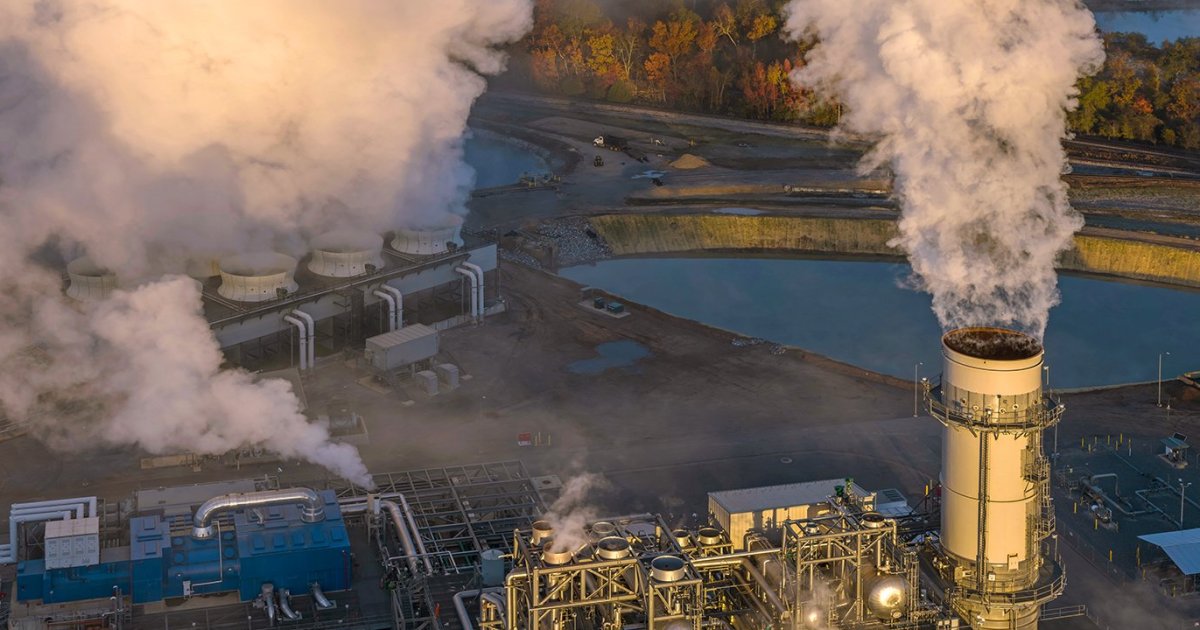
The report finds that electricity generation for data centers consumes about 3.4 trillion gallons of freshwater yearly in seven states, far exceeding direct cooling water use.
Engineers must account for the water intensity of the electricity that powers data centers, not just the water used for cooling. Overlooking this hidden demand can underestimate environmental impact and create tension with communities in water-stressed regions. The report urges adopting clean energy, improving water efficiency, and siting facilities responsibly to mitigate these risks.
Written by elseif from the cluster below · every claim links back to a sourceThe three things worth knowing
Power generation accounts for the majority of data center water use, with about 3.4 trillion gallons of freshwater consumed annually in the seven studied states.
Seventy-eight percent of electricity in the analyzed states comes from water-using power plants, and about two-thirds of those plants lie in regions with medium-high to extremely high water stress.
Most data center operators and power producers do not account for the water risks associated with the electricity they use or supply.
THE READ
What the cluster adds up to.
The analysis shifts focus from on-site cooling water to the water embedded in the electricity supply. By quantifying that power generation consumes roughly 3.4 trillion gallons of freshwater each year in the seven states examined, the report shows that this hidden use dwarfs the water used for direct cooling. This re-frames the water footprint of data centers as a supply-chain issue rather than an on-site operational one.
Addressing the issue carries tangible costs and trade-offs. Operators may need to evaluate the water intensity of their power contracts, consider shifting to generation with lower water use such as wind or solar, or invest in additional energy efficiency to reduce overall electricity demand. These steps can involve higher procurement costs, contractual renegotiations, or reliance on regional grid mixes that are slow to change.
The effectiveness of mitigation depends on the local grid context. In areas where a large share of electricity comes from water-intensive fossil or nuclear plants situated in drought-prone watersheds, options to reduce the hidden water footprint are limited. If clean energy alternatives are not readily available, the water risk remains tied to the data center’s power consumption regardless of on-site water-saving measures.
Because only a single feed carried this story, there is limited corroboration from other sources at this time. Engineers should treat the findings as a starting point and seek additional studies or regional data before making major design or procurement decisions based solely on this report.
Written by elseif from the cluster below · checked for specifics the sources never containedTHE CLUSTER