TECH Signal 374
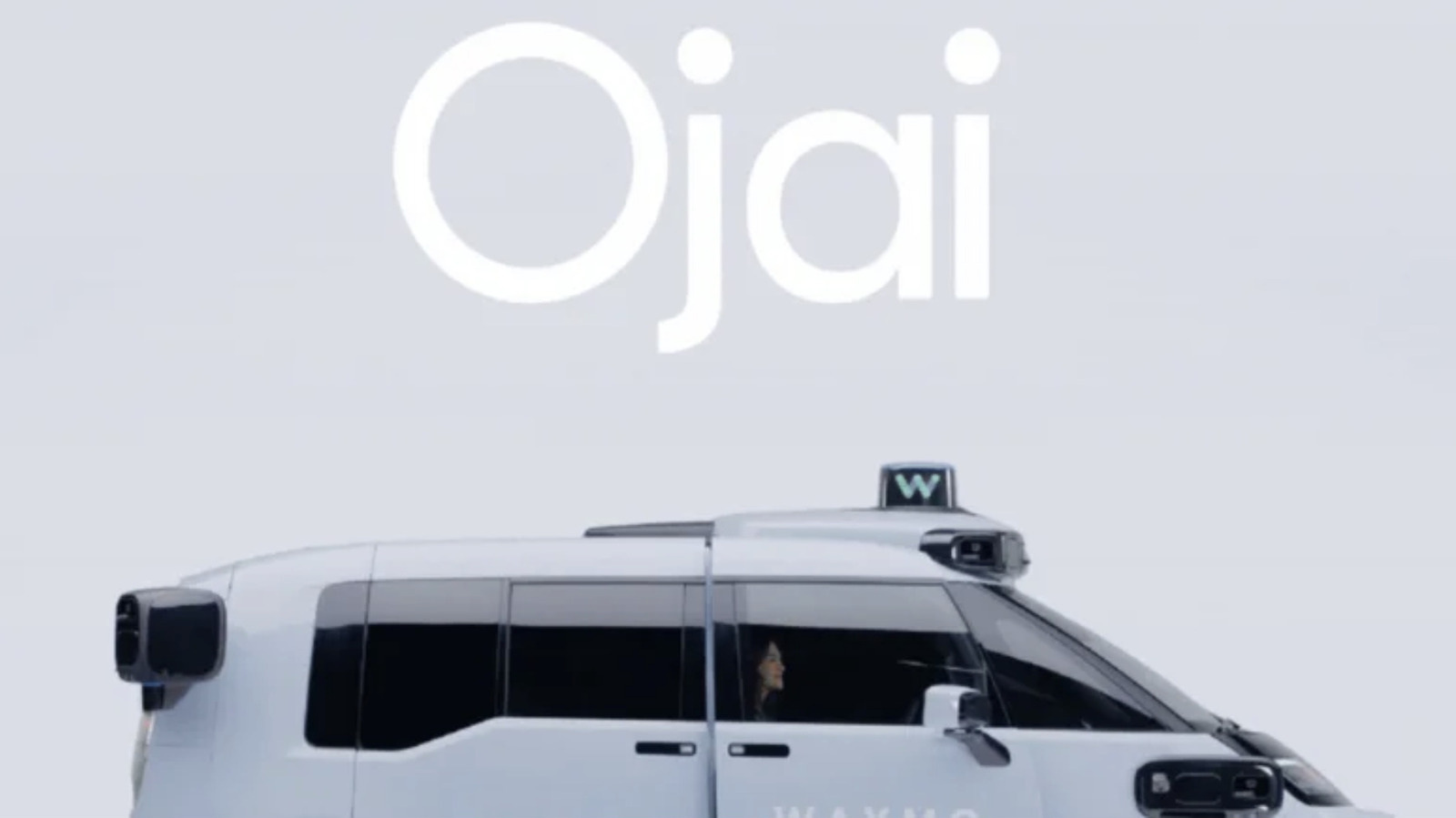
Waymo Ojai driverless vans open to all riders in San Francisco, Phoenix and Los Angeles
 ↗
↗
Waymo’s Ojai vans are now fully available to the public in three major cities without ride restrictions
This marks a shift from limited testing to open access for autonomous ride-hailing in urban areas. Engineers working on mobility, fleet management, or AI safety systems should note the operational scale and real-world exposure of the platform.
Written by elseif from the cluster below · every claim links back to a sourceThe three things worth knowing
Waymo Ojai vans are now accessible to any rider in San Francisco, Phoenix, and Los Angeles without prior restrictions
The rollout follows earlier limited pickups in the same cities and expands Waymo’s operational footprint
The service remains unavailable in Ojai, California, despite the van model’s name
THE READ
What the cluster adds up to.
Waymo’s Ojai vans are now fully available to the public in three major cities, removing earlier ride restrictions. This transition from limited testing to open access suggests confidence in the platform’s readiness for broader use. The move also increases the volume of real-world data available for refining autonomous systems, which may accelerate improvements in navigation, passenger interaction, and safety protocols.
The rollout covers San Francisco, Phoenix, and Los Angeles, all dense urban environments with complex traffic patterns. These conditions test the vans’ ability to handle unpredictable scenarios, such as pedestrian crossings, construction zones, and variable road rules. The absence of a human driver means the system must rely entirely on its sensors, AI models, and fail-safes to manage edge cases, which could reveal limitations in current autonomous technology.
Despite the expansion, Waymo’s service remains unavailable in Ojai, California, the namesake of the van model. This discrepancy highlights the gap between branding and operational deployment, a consideration for engineers evaluating the practical constraints of scaling autonomous fleets. The company’s recent challenges, including freeway service suspensions and recalls, underscore the ongoing risks of deploying driverless vehicles at scale.
The Ojai vans feature backseat entertainment and spacious interiors, signaling Waymo’s focus on passenger experience alongside technical performance. For engineers, this introduces new design considerations, such as integrating user interfaces, managing power consumption for non-driving functions, and ensuring these features do not interfere with core autonomous operations. The rollout also sets a benchmark for competitors in the autonomous ride-hailing space.
Written by elseif from the cluster below · checked for specifics the sources never containedTHE CLUSTER