TECH Signal 347
Waymo gains approval to operate robotaxis in Sacramento and San Diego and expand in Bay Area and LA
 ↗
↗
California regulators permit Waymo to launch autonomous ride-hailing services in two new cities and broaden coverage in existing markets
The approval marks a regulatory milestone for autonomous vehicle deployment in California, signaling growing trust in Waymo’s safety framework. Engineers working on AV systems or urban mobility platforms now face a larger real-world testbed for fleet scaling and edge-case handling.
Written by elseif from the cluster below · every claim links back to a sourceThe three things worth knowing
Waymo can now offer paid rides in Sacramento and San Diego, its first entry into those cities
Service expansion also covers additional counties in the San Francisco Bay Area and Los Angeles
Rollout will be gradual, governed by Waymo’s internal safety protocols
THE READ
What the cluster adds up to.
California’s Public Utilities Commission has cleared Waymo to operate its robotaxi service in Sacramento and San Diego, two major metropolitan areas where the company previously had no commercial presence. The decision also extends Waymo’s operational footprint within the San Francisco Bay Area and Los Angeles, allowing it to serve a total of 18 counties. This regulatory green light removes a key barrier to scaling autonomous ride-hailing beyond Waymo’s initial launch markets.
The approval follows a multi-month review process that included feedback and a temporary suspension of Waymo’s request. While the CPUC has not publicly detailed the resolution of earlier concerns, the outcome suggests that Waymo’s revised safety plan met the commission’s requirements. Engineers should note that the expansion will proceed incrementally, with Waymo explicitly stating that deployment speed will be dictated by its safety framework rather than commercial pressure.
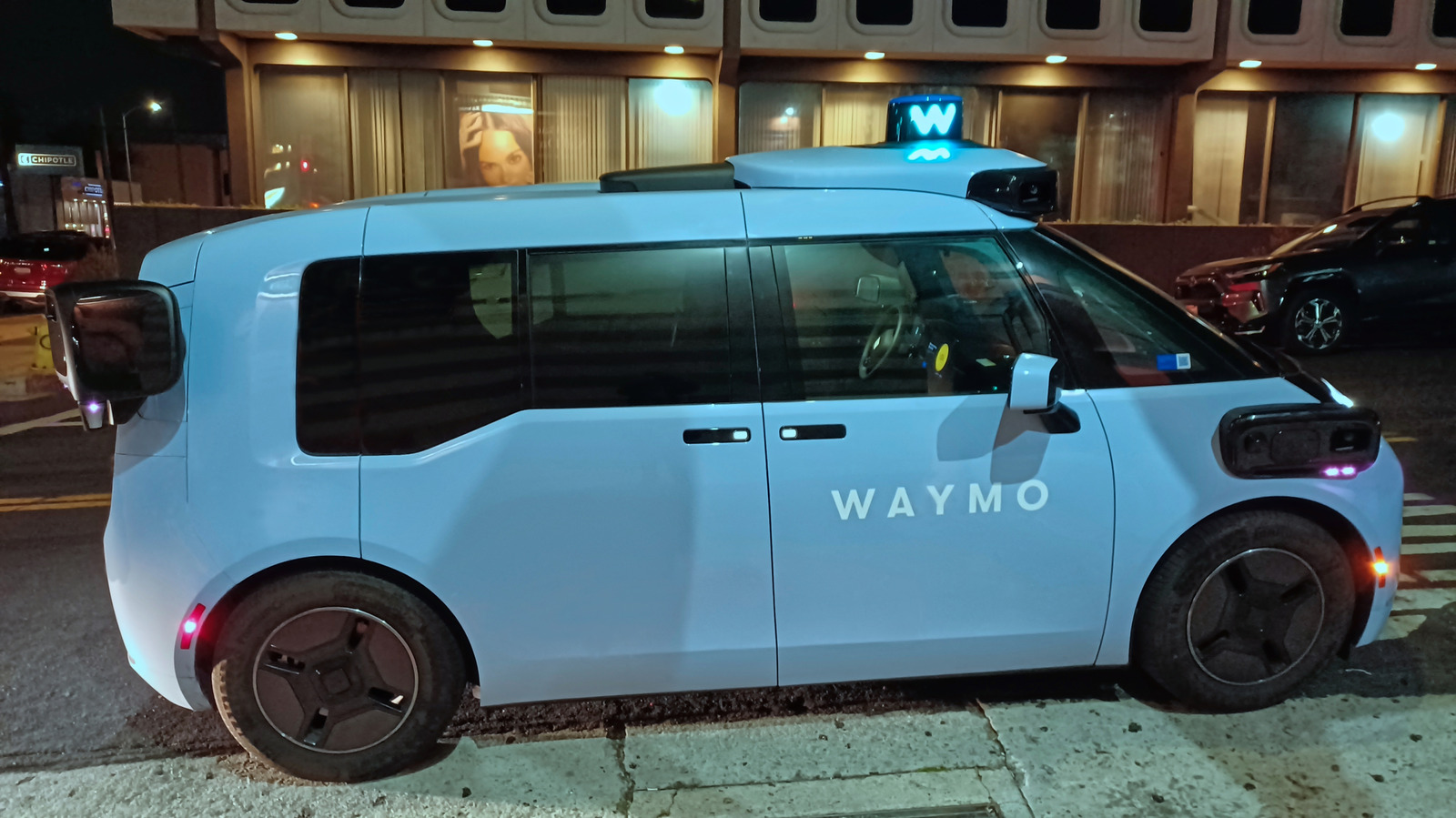
Waymo’s fleet in California will continue to use its existing Jaguar I-Pace vehicles while introducing new Ojai robotaxis, custom minivans built by Zeekr. The addition of these vehicles may require updates to Waymo’s mapping, perception, and telemetry systems to accommodate different sensor placements and vehicle dynamics. The gradual rollout provides an opportunity for engineers to monitor performance across diverse urban environments, from San Diego’s sprawl to Sacramento’s grid layout.
This expansion arrives as Waymo simultaneously tests fully driverless rides in other U.S. cities, including Denver and Tampa. The California approval does not immediately enable driverless operations in the new markets, but it establishes a regulatory foundation for future transitions. Engineers working on AV validation or fleet management tools should prepare for increased data volume and operational complexity as Waymo’s service area grows.
Written by elseif from the cluster below · checked for specifics the sources never containedTHE CLUSTER