TECH Signal 371
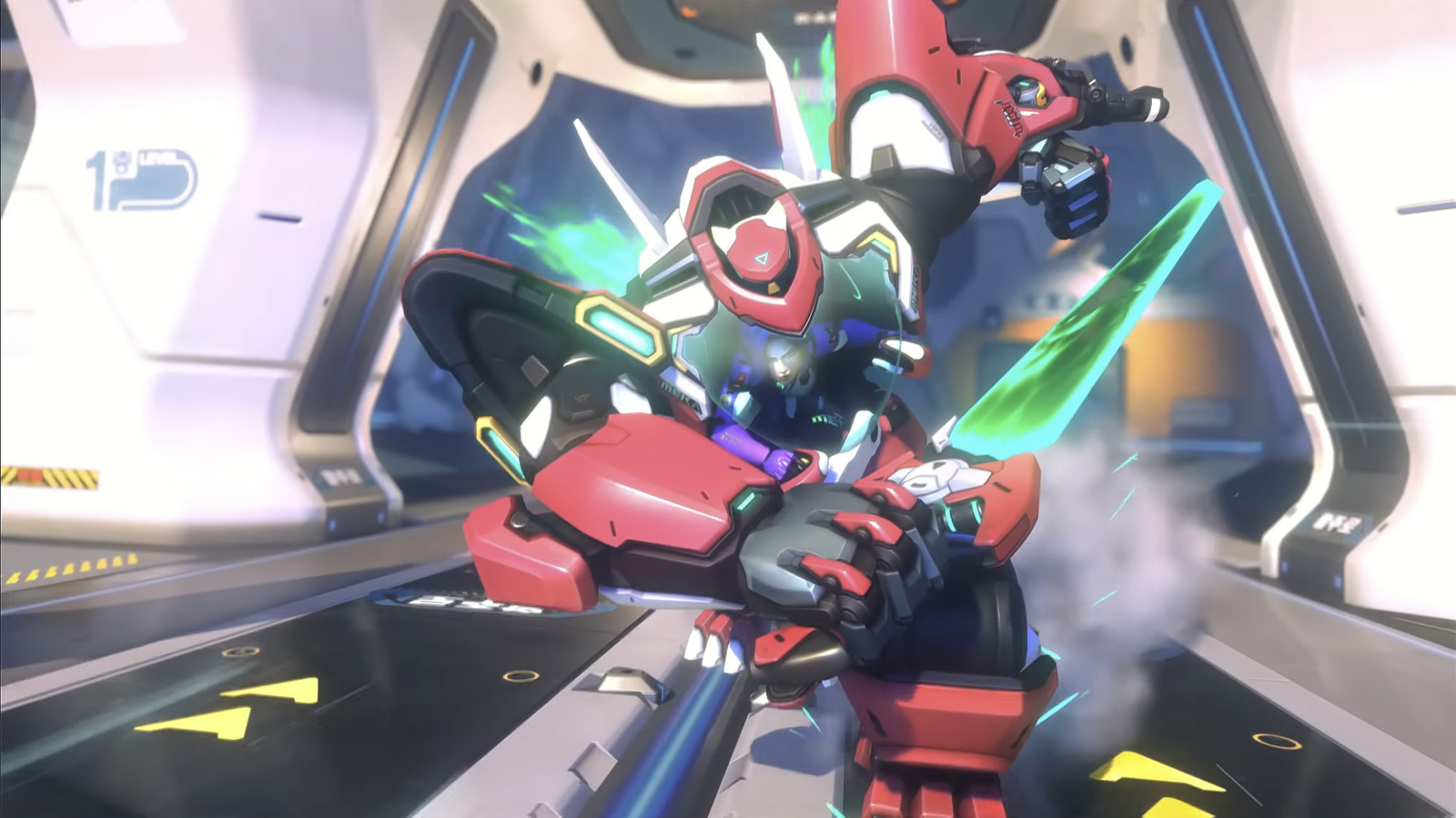
We thought we wouldn't write about Overwatch characters anymore but D.Mon looks too sick not to
 ↗
↗
Blizzard Entertainment introduces D.Mon, a new tank hero for *Overwatch*, blending design elements from existing characters with unique mechanics.
This update affects game balance and meta strategies for *Overwatch* engineers and competitive players. The addition of a hybrid playstyle hero may shift team compositions and require adjustments to existing character synergies. For developers, it signals Blizzard’s ongoing iteration on hero design, balancing familiarity with innovation.
Written by elseif from the cluster below · every claim links back to a sourceThe three things worth knowing
D.Mon combines traits from D.Va and Reinhardt but introduces distinct abilities like a fuel-based dash and mech reassembly.
Her ultimate ability demands team coordination, differing from D.Va’s solo-capable Self-Destruct.
The hero’s release coincides with *Overwatch* Season 4, likely altering competitive and casual gameplay dynamics.
THE READ
What the cluster adds up to.
D.Mon’s design reflects Blizzard’s approach to hero iteration: borrowing from established characters while introducing new mechanics. The horizontal dash and fuel bar add a resource-management layer absent in D.Va’s flight, forcing players to adapt their positioning and ability timing. This hybrid playstyle may appeal to players who prefer mobility but dislike D.Va’s aerial unpredictability. However, the reliance on a fuel bar could frustrate players accustomed to more forgiving cooldown systems.
The mech reassembly mechanic diverges from D.Va’s sky-drop, offering a tactical trade-off. Rebuilding Beast around D.Mon provides immediate protection but may leave her vulnerable during the animation. This could incentivize defensive play or baiting enemies into unfavorable engagements. For engineers balancing *Overwatch*’s meta, this introduces a new variable: how teams exploit or counter the reassembly window. The ultimate ability’s team-dependent nature further complicates solo play, potentially limiting D.Mon’s viability in uncoordinated matches.
D.Mon’s aesthetic and thematic influences, Gundam, *Armored Core*, suggest Blizzard is targeting niche audiences within its player base. While this may excite fans of mecha genres, it risks alienating players who prefer *Overwatch*’s traditional hero archetypes. The hero’s release in Season 4 implies Blizzard is confident in her integration, but her success hinges on how well she fits into existing team compositions. If she disrupts the tank meta too severely, she may face nerfs or become a situational pick.
From a development standpoint, D.Mon’s introduction highlights the challenges of hero design in live-service games. Blizzard must balance innovation with familiarity to retain players while avoiding power creep. The hero’s dual-phase gameplay (mech and pilot) adds complexity to matchmaking and balance testing, as her effectiveness may vary wildly between phases. For engineers working on similar games, D.Mon serves as a case study in how to iterate on existing mechanics without overcomplicating the core experience.
Written by elseif from the cluster below · checked for specifics the sources never containedTHE CLUSTER