INFRA Signal 517
First vectorized Quicksort achieves up to 10x speedup over C++ std::sort
 ↗
↗
Comments
This new sorting algorithm significantly enhances sorting performance, which is crucial for data processing tasks. Its portability across multiple CPU architectures broadens its applicability, potentially transforming how sorting is approached in various applications.
Written by elseif from the cluster below · every claim links back to a sourceThe three things worth knowing
The vectorized Quicksort can sort arrays approximately ten times faster than the standard C++ sorting algorithm.
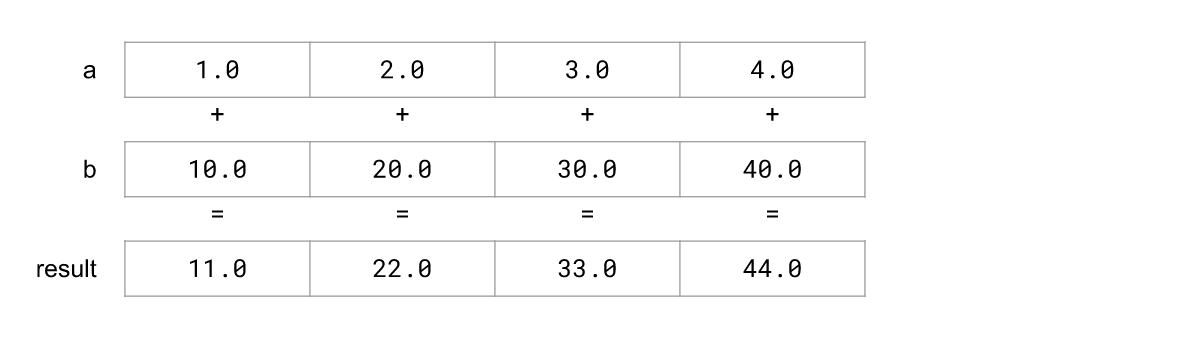
It utilizes SIMD/vector instructions to optimize performance, particularly during the partitioning phase of sorting.
The implementation supports a range of input sizes and is compatible with six instruction sets across three architectures.
THE READ
What the cluster adds up to.
The introduction of the first vectorized Quicksort marks a significant advancement in sorting algorithms, particularly by leveraging SIMD instructions for improved performance. This approach allows for partitioning and sorting of large arrays more efficiently, which is especially beneficial in environments where data processing speed is critical.
Adopting this new Quicksort may require developers to integrate the open-source code into their existing systems. While the implementation claims up to ten times the performance of the C++ std::sort, actual benefits will vary based on the specific use case and data characteristics.
The algorithm excels on modern CPUs, particularly those with support for AVX-512 and Arm NEON, achieving record sorting speeds. However, the performance gains may diminish on older architectures lacking advanced SIMD capabilities, which could limit its effectiveness in some environments.
Written by elseif from the cluster below · checked for specifics the sources never containedTHE CLUSTER