AI Signal 142
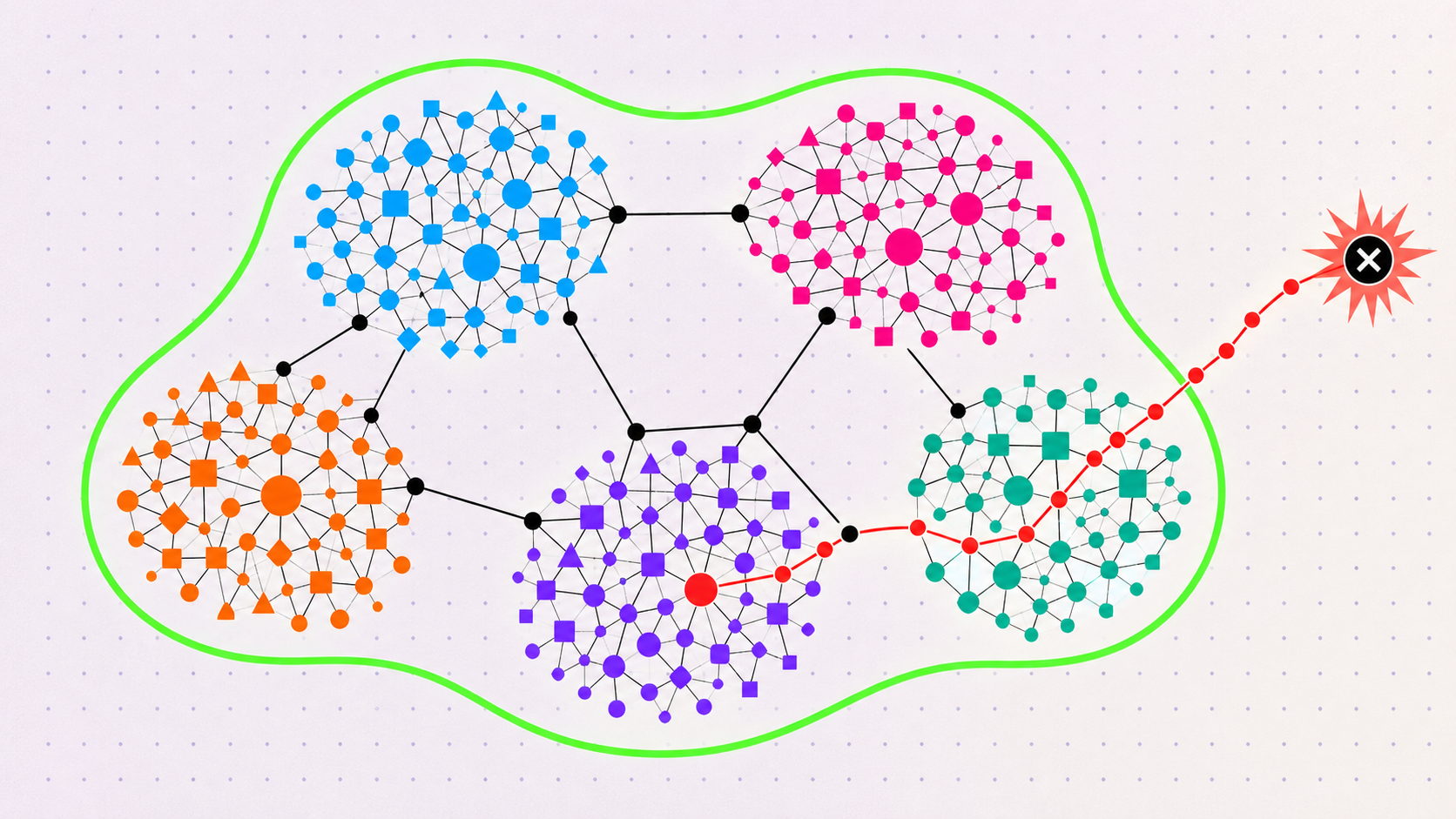
OpenShell explores formal methods to manage permissions in AI agent systems
 ↗
↗
Comments
As AI agents become more autonomous, managing their permissions effectively is crucial to prevent unintended actions. OpenShell's approach to formal methods could offer a structured way to ensure compliance with human intent, which is vital for safe AI deployment. This could enhance the reliability of AI systems in complex, long-running tasks that require permission management.
Written by elseif from the cluster below · every claim links back to a sourceThe three things worth knowing
Formal methods can help create proofs of compliance for AI agent permissions.
The challenges of managing permissions grow with the scale and autonomy of AI agents.
OpenShell's research aims to address the complexities of agent interactions and permissions.
THE READ
What the cluster adds up to.
OpenShell is focusing on using formal methods to manage the permissions of AI agents effectively. The goal is to ensure that these agents, which are becoming increasingly autonomous, do not exceed the permissions granted by their human operators. This is especially important as these agents start handling long-running tasks that involve extensive data access and interaction with various systems.
The applications of formal methods in this context involve using tools like the Z3 open-source library to construct proofs that guarantee compliance with set policies. By modeling permissions in formal logic, OpenShell seeks to address the complex interactions between different agents and their respective permissions, which can quickly become unmanageable without a structured approach.
One of the significant challenges noted is that traditional human supervision of these AI agents is no longer feasible at scale. As agents operate independently, assuring that each agent adheres to its scoped policy becomes critical. OpenShell's research aims to develop mechanisms to handle these evolving permission needs systematically.
The implications of this research extend beyond just OpenShell, as similar challenges have been encountered in other domains, such as cloud service management. Previous work with AWS's IAM policies and tools like Zelkova could inform OpenShell's methods and provide a foundation for scalable permission management in AI systems.
Ultimately, adopting formal methods for permission management in AI could lead to greater trust in autonomous systems, enabling wider application across industries that rely on AI for complex tasks. This could significantly reduce the risk of unapproved actions by AI agents, enhancing both security and operational integrity.
Written by elseif from the cluster below · checked for specifics the sources never containedTHE CLUSTER