TECH Signal 372
Qi2.2 wireless charging raises power to 25W from Qi2’s 15W for faster Android and iPhone charging
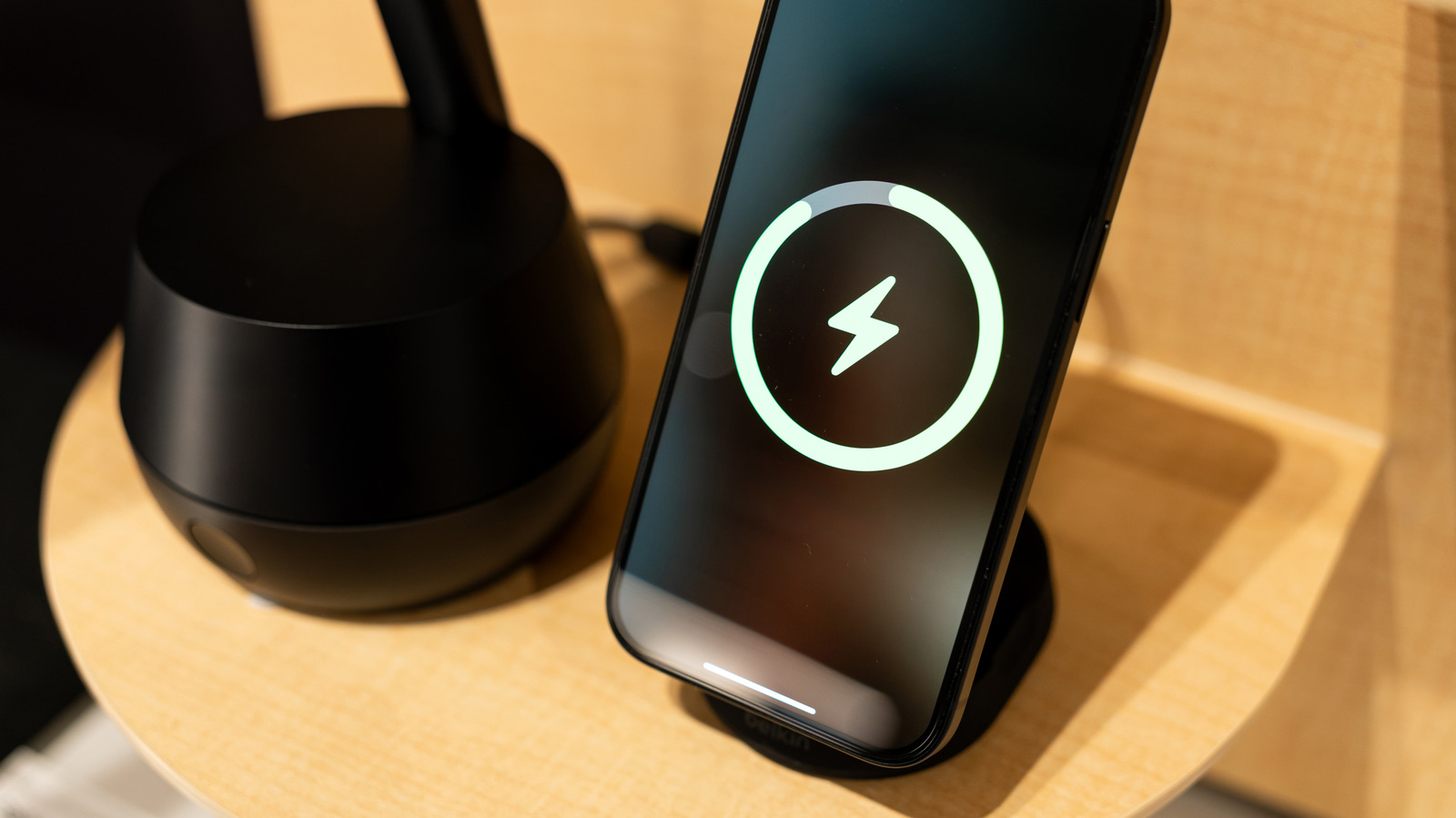 ↗
↗
Qi2.2 increases wireless charging power to 25 W, cutting charge time and adding thermal protection over the 15 W Qi2 standard.
Engineers integrating wireless charging into devices or chargers must now decide between the older 15 W Qi2 and the faster 25 W Qi2.2. The higher power reduces charge time but may require updated coil designs and thermal management. Devices that do not support Qi2.2 will still work on Qi2.2 pads, but only at the lower 15 W rate.
Written by elseif from the cluster below · every claim links back to a sourceThe three things worth knowing
Qi2.2 delivers 25 W versus Qi2’s 15 W, halving the time to reach 50 % battery.
Improved thermal protection in Qi2.2 lowers peak charging temperatures, potentially extending battery life.
Qi2.2 is backward-compatible: Qi2 devices charge at 15 W on Qi2.2 pads, and Qi2.2 devices charge at 15 W on Qi2 pads.
THE READ
What the cluster adds up to.
The shift from Qi2 to Qi2.2 is primarily a power increase. Qi2.2-certified chargers and devices can transfer 25 W, while Qi2 is limited to 15 W. This change directly affects charge speed: a device that reaches 50 % battery in 50 to 80 minutes on Qi2 can reach the same level in about 30 minutes on Qi2.2. Engineers must verify that existing coil designs and power-management ICs can handle the higher current without overheating or violating efficiency targets.
Thermal protection is an explicit part of the Qi2.2 specification. The standard introduces tighter temperature monitoring and active throttling to keep charging temperatures lower than Qi2 allowed. For device manufacturers, this may reduce the need for custom thermal-management firmware, but it also means that any third-party charger or accessory must meet the new thermal thresholds to earn Qi2.2 certification.
Backward compatibility is maintained. A Qi2.2 charger will deliver 15 W to a Qi2-only device, and a Qi2.2 device will accept 15 W from a Qi2 charger. This ensures that users can mix old and new hardware without bricking devices, but it also means that the full 25 W benefit is only available when both the charger and the device support Qi2.2. Engineers should therefore label power output clearly and consider offering firmware updates for existing chargers to add Qi2.2 support where hardware permits.
Written by elseif from the cluster below · checked for specifics the sources never containedTHE CLUSTER