TECH Signal 368
What's the difference between MagSafe and Qi wireless charging?
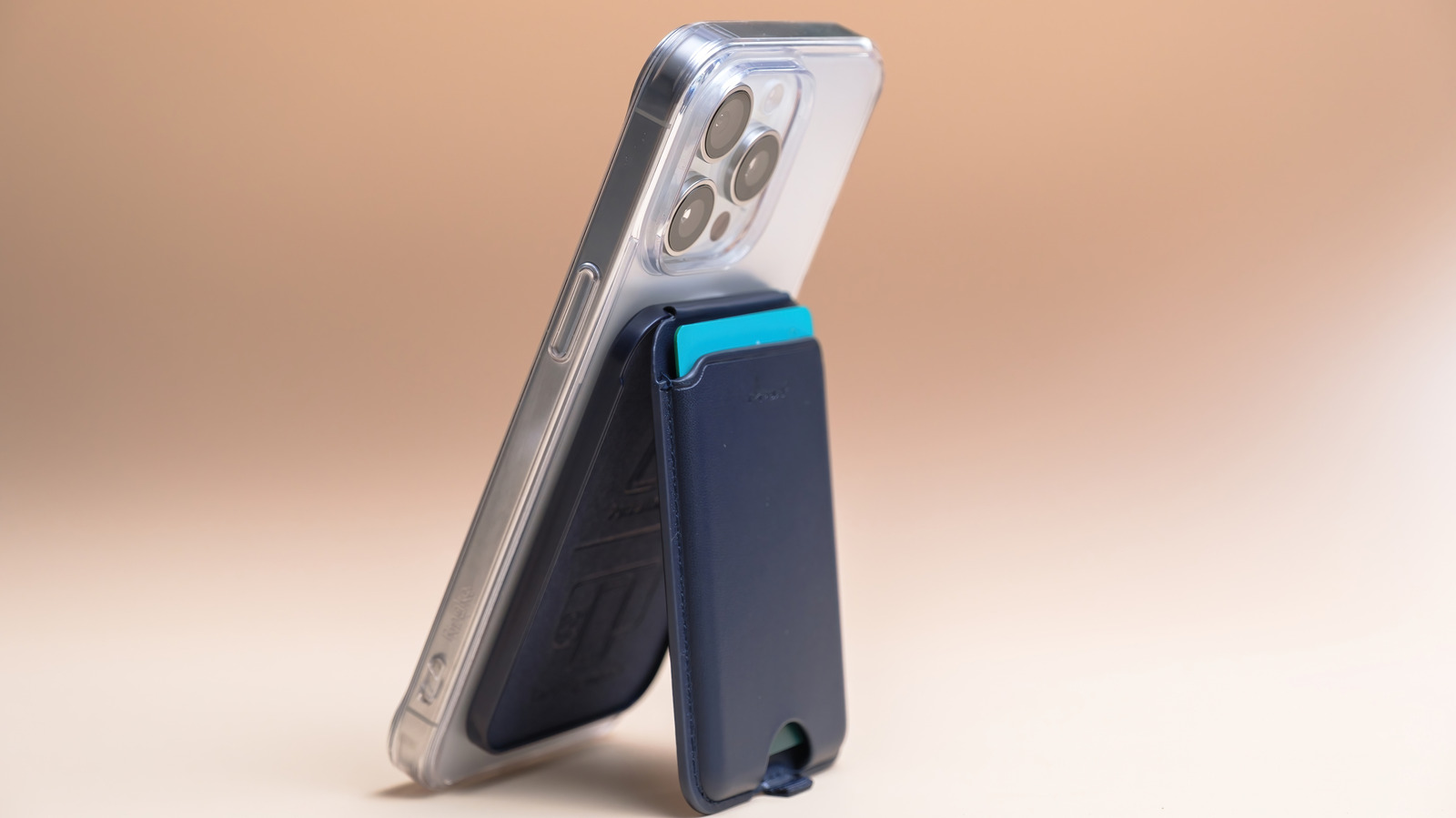 ↗
↗
MagSafe is Apple’s branded magnetic charging system, while Qi2 is the open-standard version that uses the same coil and magnet arrangement.
The magnetic alignment defined by both standards raises wireless charging efficiency and enables higher power levels, so engineers must design accessories that meet the magnetic profile and power rating. Choosing Qi2-certified parts avoids Apple’s certification process, but any accessory still needs to be rated for the device’s maximum wattage and fit the phone’s dimensions.
Written by elseif from the cluster below · every claim links back to a sourceThe three things worth knowing
MagSafe and Qi2 share the same magnetic coil and coil alignment, differing only in branding and certification requirements.
Both standards now support up to 25 W charging, but accessories must be explicitly rated for that speed to achieve the benefit.
Android devices without built-in magnets need a magnetic case to use MagSafe-style accessories, adding cost and size constraints.
THE READ
What the cluster adds up to.
Apple added a ring of magnets around the existing Qi coil on its phones, turning a generic wireless charger into a self-aligning, higher-power system. The same magnetic arrangement was later contributed to the Wireless Power Consortium, where it became the Qi2 specification. While the hardware is identical, Apple continues to market its implementation under the MagSafe name, requiring its own certification for accessories.
For software and hardware developers, the practical impact is that a properly aligned magnetic charger can deliver roughly double the power of legacy Qi pads. To take advantage of the speed boost, a charger must be labeled as supporting the 25 W magnetic profile, and the device must expose that capability. Designing a charger or case therefore involves meeting the magnetic geometry, power rating, and, for Apple-branded products, passing the certification process.
Adopting the technology on Android devices can be inexpensive if the phone already integrates Qi2, but many phones lack built-in magnets and rely on aftermarket cases that embed the ring. Those cases add material cost and increase the phone’s thickness, and they must be paired with a magnetic charger that matches the case’s dimensions. Without the case, a standard Qi pad will still charge, but alignment will be loose and speed will fall back to the lower legacy rates.
Compatibility breaks when the physical form factor of the charger or case does not accommodate a particular phone’s shape, such as a power bank sized for a larger device that cannot clear a smaller phone’s camera bar. Additionally, chargers that are only certified for MagSafe may refuse to work with non-Apple devices unless they also carry the Qi2 label, and vice-versa, because of the certification gate rather than any electrical difference.
In summary, the distinction between MagSafe and Qi2 is largely corporate: MagSafe remains a proprietary brand with a licensing step, while Qi2 is the open standard that any manufacturer can implement. Engineers targeting a broad market should aim for Qi2 compliance to avoid Apple’s certification while still delivering the same magnetic alignment and power benefits.
Written by elseif from the cluster below · checked for specifics the sources never containedTHE CLUSTER