TECH Signal 475
Former OpenAI researcher's $20 billion AI-focused hedge fund reportedly collapses after leveraged bets fail
 ↗
↗
A hedge fund led by a former OpenAI researcher reportedly imploded after aggressive, leveraged positions in AI-related stocks and shorts backfired.
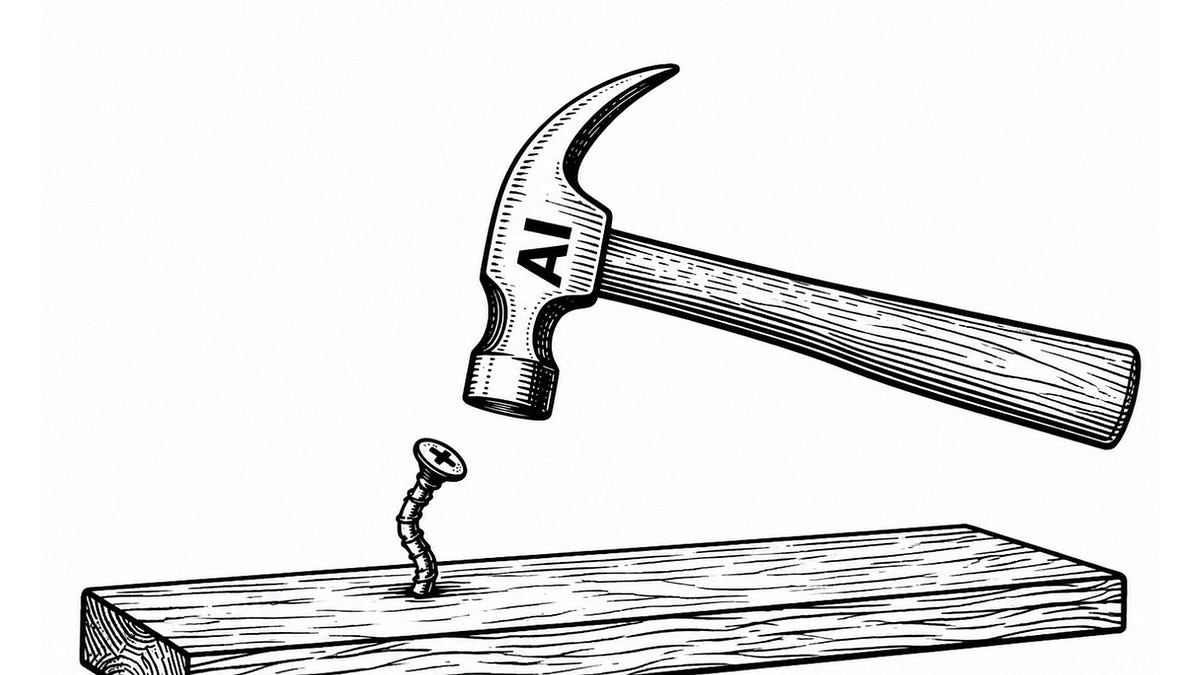
The failure highlights the risks of overconfidence in applying domain expertise, like AI research, to unrelated fields such as finance. For engineers, it underscores the importance of risk controls and humility when venturing beyond core competencies. The event also reflects broader volatility in AI-adjacent markets.
Written by elseif from the cluster below · every claim links back to a sourceThe three things worth knowing
The hedge fund, Situational Awareness LP, reportedly lost billions after leveraged bets on AI stocks and shorts in software names reversed sharply.
The fund’s founder, a former OpenAI Superalignment team member, had no prior hedge fund experience but raised $20 billion based on AGI predictions.
The collapse mirrors historical hedge fund failures, where intellectual hubris and poor risk management led to rapid downfalls despite initial success.
THE READ
What the cluster adds up to.
The reported collapse of Situational Awareness LP serves as a cautionary tale about the limits of domain expertise. The fund’s founder, Leopold Aschenbrenner, was a prominent AI researcher with no prior hedge fund experience, yet raised $20 billion based on predictions about artificial general intelligence (AGI). This suggests a broader cultural issue within AI labs, where confidence in technical prowess may extend into unrelated fields without adequate safeguards. For engineers, the lesson is clear: specialization in one area does not translate to competence in another, particularly in high-stakes environments like finance.
The fund’s downfall appears tied to aggressive, leveraged positions in AI-related stocks and shorts in software companies. Reports indicate losses in public stocks like neoclouds, memory names, and datacenter power, alongside a rebound in software stocks that had been shorted. The use of leverage, reportedly around 4x, amplified losses, a common pitfall in hedge fund failures. This mirrors historical collapses, such as Long-Term Capital Management, where Nobel laureates and top traders misjudged risk. The event underscores the importance of risk controls, particularly in volatile sectors like AI, where market sentiment can shift rapidly.
The failure also reflects broader volatility in AI-adjacent markets. The fund’s bets on memory and datacenter stocks, sectors known for cyclical swings, suggest a misalignment between the fund’s AGI thesis and the realities of hardware and infrastructure markets. For engineers building or investing in AI infrastructure, this serves as a reminder that technological trends do not always align with market cycles. The collapse may prompt scrutiny of other AI-focused investment vehicles, particularly those led by figures with limited financial experience but high-profile technical backgrounds.
Beyond finance, the event raises questions about the culture of frontier AI labs. The article’s framing of “intellectual arrogance” suggests a pattern where confidence in AI progress may lead to overreach in other domains. For engineers, this is a call to critically assess the assumptions underlying high-stakes decisions, whether in research, product development, or investment. The failure of Situational Awareness LP is not just a financial story but a case study in the dangers of unchecked confidence in complex, interdisciplinary systems.
Written by elseif from the cluster below · checked for specifics the sources never containedTHE CLUSTER