TECH Signal 359
Curved TVs died from poor viewing angles and manufacturing costs while curved gaming monitors thrived on single-viewer immersion
 ↗
↗
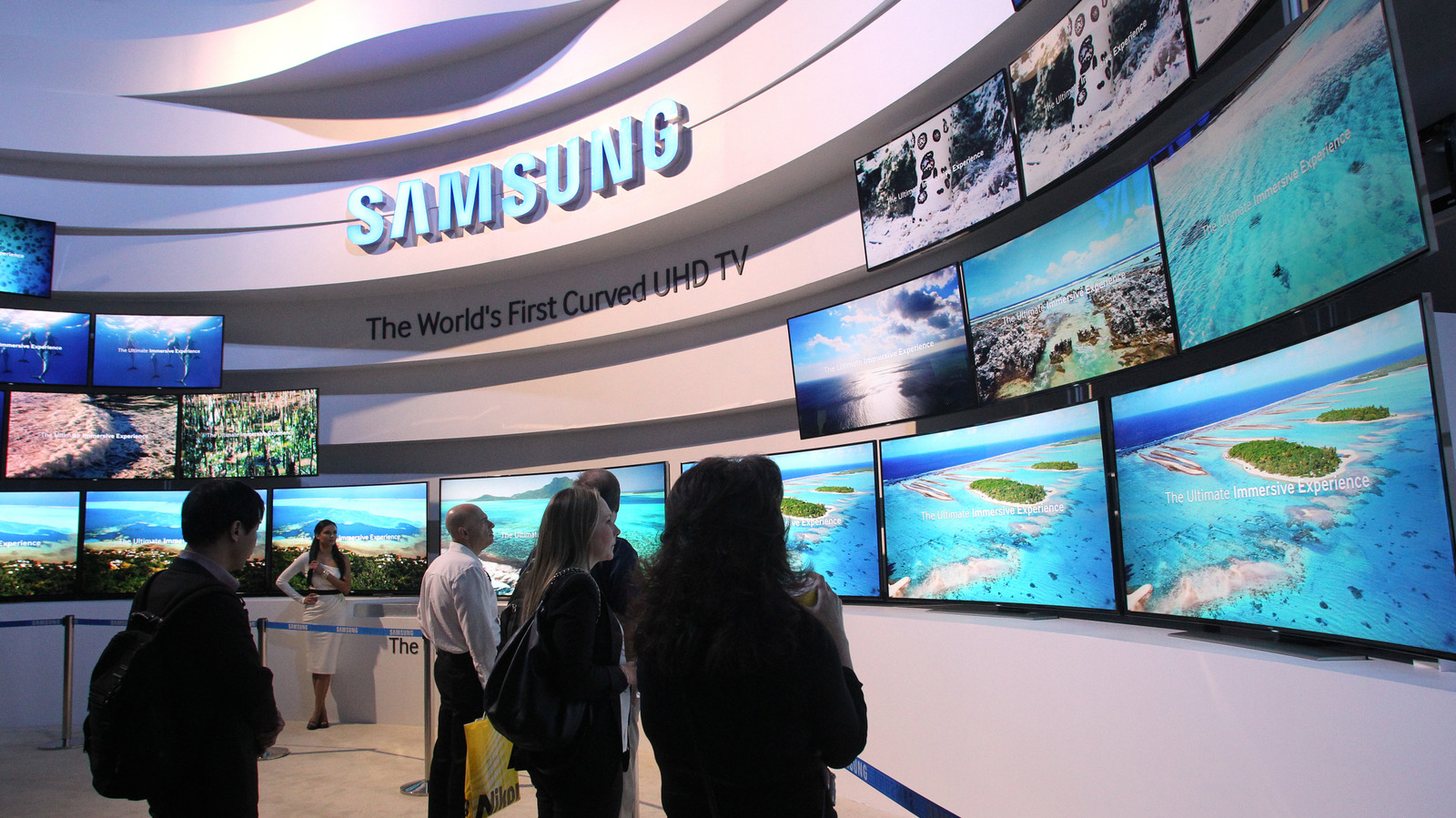
Curved TVs failed because living-room viewing distances negated immersion, off-axis viewing degraded image quality, and large curved panels were costly to manufacture and mount, while curved gaming monitors succeeded by serving a single close-up viewer.
The article explains a product-category divergence driven by use-case fit rather than technology quality. For engineers designing displays, the takeaway is that curvature only pays off when viewing distance and audience size match the geometry. The same panel technology can succeed or fail depending on the deployment context.
Written by elseif from the cluster below · every claim links back to a sourceThe three things worth knowing
Curved TVs lost contrast and color saturation when viewed off-center, making them impractical for multi-viewer living rooms.
Manufacturers struggled to produce curved LCDs at 55 inches and above with consistent uniformity, and even Samsung abandoned the format by 2020.
Curved gaming monitors work because a single user sits close, making the narrow sweet spot a benefit and putting more screen area within direct view.
THE CLUSTER