TECH Signal 382
Why smartphone makers stopped using removable batteries, and why they're making a comeback
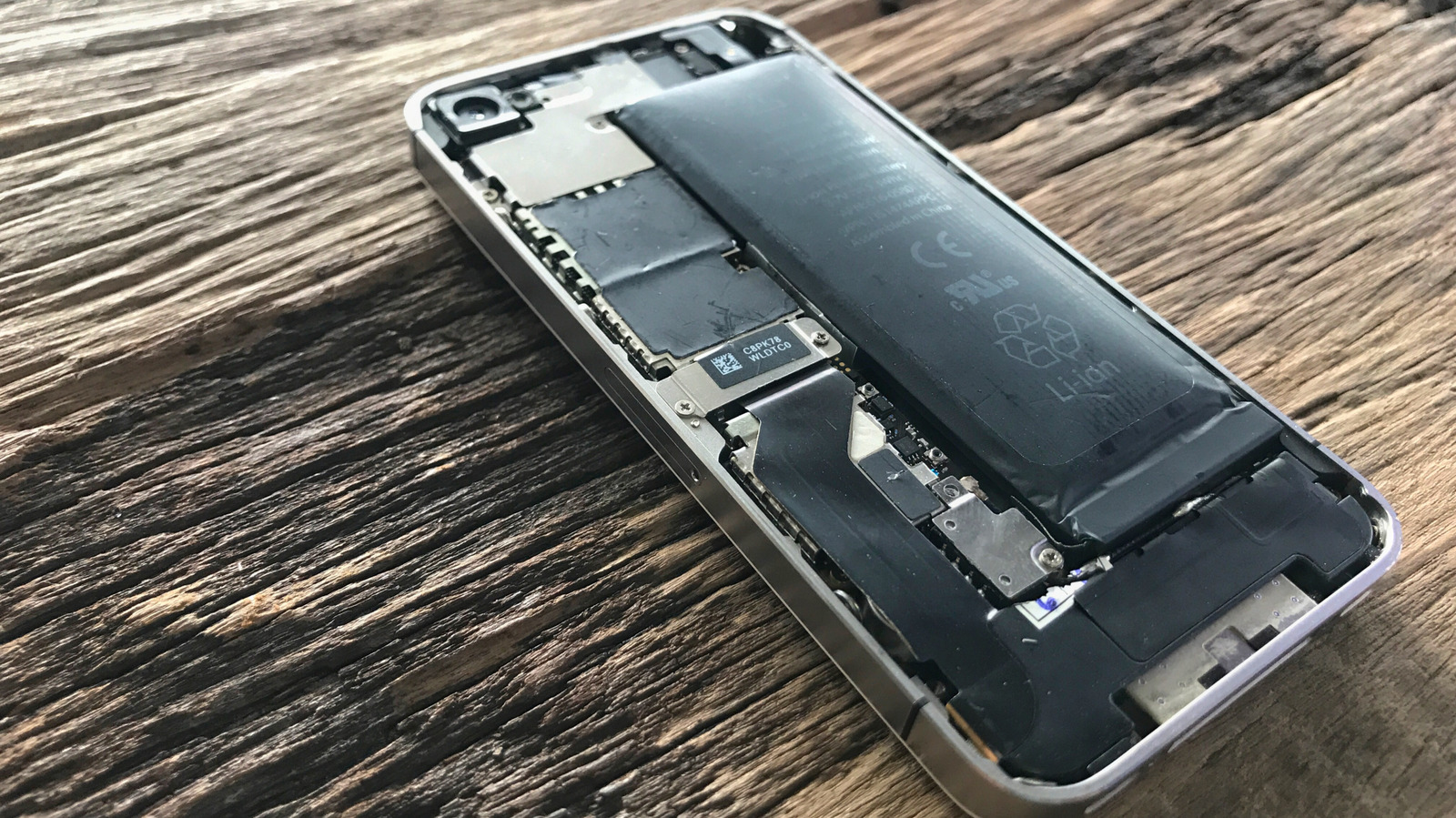 ↗
↗
EU law taking effect in early 2027 will require smartphones sold in the bloc to have batteries that users can remove with standard tools, prompting a shift back toward removable-battery designs.
Engineers will need to redesign chassis, sealing, and component layout to accommodate screw-secured batteries while preserving water-resistance ratings. The redesign adds parts and assembly steps, raising bill-of-materials cost and production complexity. A globally adopted design could spread these costs but also changes product-lifecycle expectations for both manufacturers and users.
Written by elseif from the cluster below · every claim links back to a sourceThe three things worth knowing
Modern phones abandoned removable batteries to achieve thinner profiles, premium glass/aluminum bodies, and higher IP ratings.
The upcoming EU regulation defines a removable battery as one that can be taken out with common tools, banning adhesives and specialized extraction methods.
Compliance will likely force manufacturers to add screws, gaskets, and possibly ship free tools, impacting design, cost, and durability.
THE READ
What the cluster adds up to.
Removable batteries were common when phones used plastic backs and thicker frames, allowing users to pop the cover and swap cells. Over time, consumer demand for slimmer devices and premium materials pushed manufacturers toward sealed designs, freeing internal volume for larger screens and more components. Engineers consequently shifted focus to integrated battery management and waterproofing rather than user serviceability.
Achieving water and dust resistance, such as IP68 ratings, requires sealed enclosures that a removable back panel would compromise without additional sealing. Glass and metal backs cannot easily accommodate clips or hinges, so designers opted for adhesives and unibody constructions. This trade-off simplifies assembly but eliminates the ability for end-users to replace a degraded cell, increasing reliance on manufacturer service channels.
The EU law slated for February 2027 mandates that phones sold there must allow battery removal with commercially available tools, prohibiting adhesives that need heat or solvents. To meet this, manufacturers will need to redesign enclosures with screws or similar fasteners and possibly include a basic screwdriver with the device. Engineers must balance these additions against the need to retain IP68 protection, likely using gaskets around the battery compartment as demonstrated by existing rugged models.
Redesigning for removable batteries introduces extra components, screws, gaskets, tool kits, and adds steps to the assembly line, raising both material costs and labor time. However, because the regulation applies to the entire EU market, companies are incentivized to adopt a single global architecture rather than a region-specific variant, spreading the overhead across all units. The shift also means longer device lifespans, as users can replace aging cells instead of discarding the whole phone, which could affect upgrade cycles and after-sales support models.
The regulation’s definition still permits manufacturers to ship phones with proprietary tools provided at no charge, which could limit true user convenience. While rugged phones already demonstrate that removable batteries can coexist with high IP ratings, mainstream devices may still face design compromises, such as slightly thicker backs or reduced aesthetic smoothness. Engineers will need to evaluate where the trade-off between compliance, durability, and design elegance is acceptable for their product line.
Written by elseif from the cluster below · checked for specifics the sources never containedTHE CLUSTER