AI Signal 414
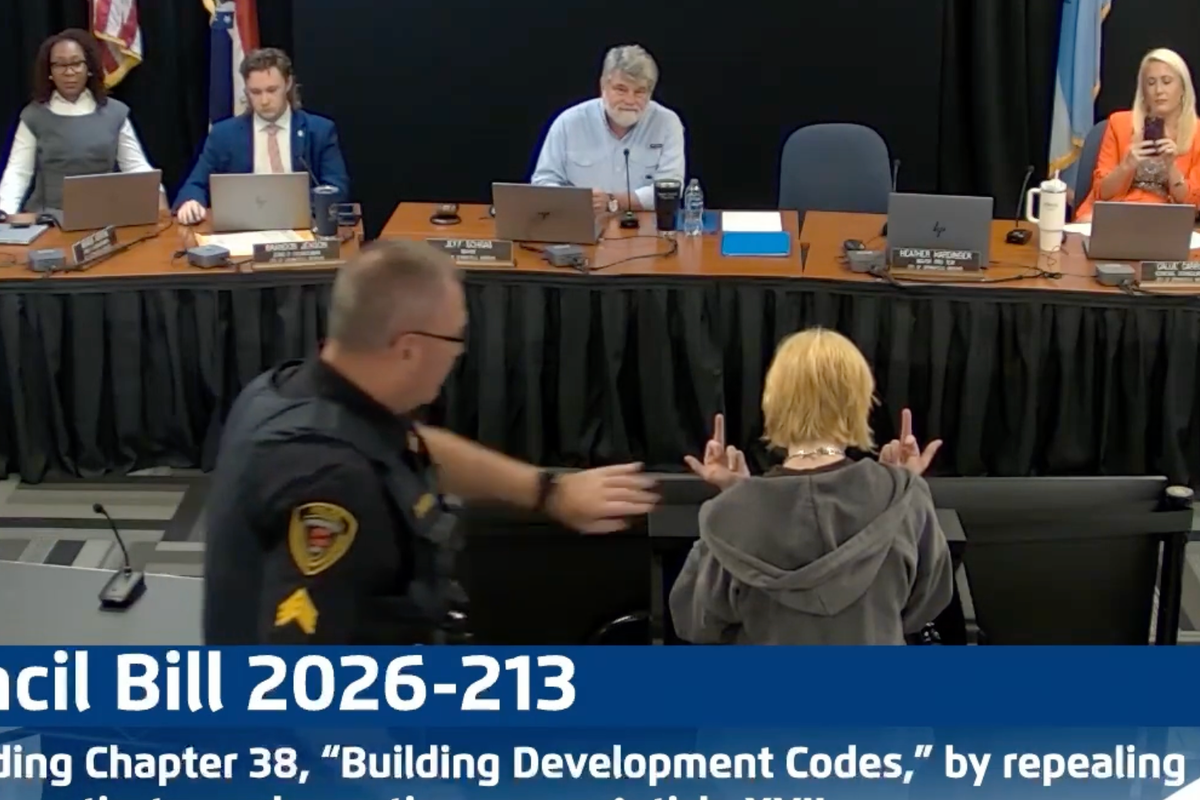
Woman Arrested After Opposing Flock Cameras at Springfield City Council Meeting
 ↗
↗
Comments
The incident highlights tensions surrounding the use of automated license plate readers and public discourse. It raises questions about the limits of free speech in civic settings and the response of law enforcement to dissenting voices. This may impact how cities manage public meetings and citizen engagement on controversial technologies.
Written by elseif from the cluster below · every claim links back to a sourceThe three things worth knowing
Mia Heider was arrested after speaking against Flock Safety's ALPR cameras at a city council meeting.
The mayor cut off public comments and moved to send a resolution about the cameras to committee, avoiding public input.
This incident reflects growing tensions over surveillance technology and community participation in local governance.
THE READ
What the cluster adds up to.
The arrest of Mia Heider during a Springfield City Council meeting signifies a critical moment in the community's engagement with surveillance technologies, particularly automated license plate readers from Flock. Her attempted public comment was met with immediate suppression, indicating a potential shift in how city officials manage opposition to controversial technologies. This incident could discourage public participation in similar forums.
The city's decision to send the resolution regarding Flock cameras to committee without public input not only stifles community voices but also raises concerns about transparency in government operations. This action suggests a prioritization of political expediency over civic engagement, potentially leading to greater public mistrust in local government.
The response from law enforcement during the meeting, including the arrest of Heider and the detention of another individual, underscores a growing trend of policing dissent in civic spaces. Such actions may set a precedent for how law enforcement engages with citizens during public discourse, further complicating the relationship between community members and local authorities.
As cities continue to adopt surveillance technologies like ALPRs, the implications of this incident could reverberate beyond Springfield. Local governments may face increased scrutiny and pushback from constituents concerned about privacy and civil liberties. This could lead to more organized efforts to challenge the implementation and oversight of such technologies.
Overall, the incident serves as a reminder of the balancing act between public safety, technological advancement, and the right to free speech. Engineers and city planners must consider these social dynamics when designing systems and policies that affect public spaces and citizen engagement.
Written by elseif from the cluster below · checked for specifics the sources never containedTHE CLUSTER