TECH Signal 414
Volunteers urged to scan books for Anna's Archive amid AI firms destroying physical copies
 ↗
↗
Anna's Archive is recruiting volunteers to scan and upload physical books to its open library as AI companies purchase, scan, and destroy volumes for model training.
The destruction of physical books by AI firms concentrates knowledge on private servers, creating a monopoly that limits public access. Preserving books through volunteer scanning maintains non-exclusive copies and mitigates the advantage AI companies gain from destroying rare works.
Written by elseif from the cluster below · every claim links back to a sourceThe three things worth knowing
Anna's Archive calls for volunteers to scan and upload books to counter AI-driven book destruction.
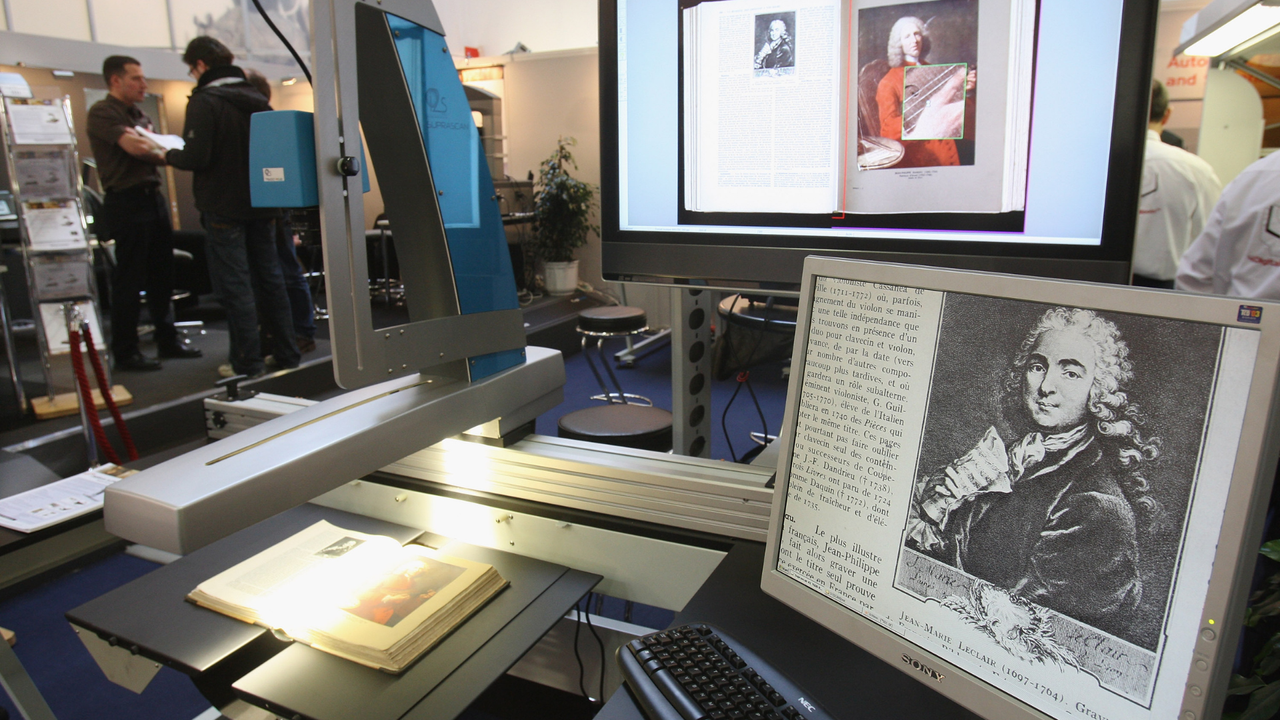
Industrial scanning that removes book spines destroys the original, while non-destructive V-shaped scanning exists but is slower and costlier.
Volunteer contributors receive recognition, lifetime membership, and possible support for large-scale scanning fees.
THE READ
What the cluster adds up to.
The event marks a shift from passive preservation to an active, crowdsourced effort to counteract the rapid destruction of books by AI companies. Anna's Archive, describing itself as the world's largest truly open library, has issued a global call for volunteers to scan and upload physical texts before they are lost. This contrasts with the reported practice of AI firms buying books, stripping spines, and feeding them into industrial scanners that destroy the originals.
Adopting the volunteer approach requires individuals to allocate time and obtain scanning equipment, whether destructive or non-destructive. The material notes that non-destructive V-shaped scanners exist but are slower and more expensive than the spine-removal method used by AI firms, implying a higher cost per book for volunteers. Additionally, volunteers must navigate potential legal concerns around copyright when uploading scans.
The effort may stall if volunteer participation does not scale to match the volume of books being destroyed, if legal barriers prevent sharing of scans, or if rare titles are eliminated before they can be captured. The material warns that destroying a book eliminates the ability of competitors to use it for AI training, reinforcing a monopoly that volunteer scanning alone may not overturn without broad, sustained involvement.
Only one feed (Tomshardware) carried this story, so corroboration from other sources is lacking. This single-source basis limits confidence in the reported scale of book destruction and the responsiveness of the volunteer call. Engineers seeking to assess the situation should seek additional reporting or data to validate the claims made.
For engineers, the situation highlights a need to develop affordable, non-destructive scanning technologies and to build platforms that facilitate legal, open-access sharing of scanned works. Improving scanning speed and reducing cost could shift the balance toward preservation, while clear licensing frameworks could alleviate the legal risks volunteers face.
Written by elseif from the cluster below · checked for specifics the sources never containedTHE CLUSTER