OBSERVABILITY Signal 438
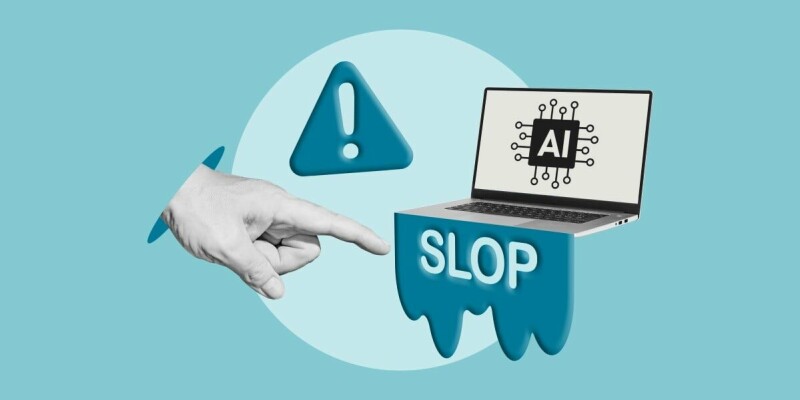
ICANN reportedly reviewing 1,600 applications for new global top-level domains including AI.slop and .borg
 ↗
↗
ICANN is evaluating over 1,600 applications for new global top-level domains, with some applicants publicly listing sought-after names like .slop.borg, and .hype.
New top-level domains (TLDs) could reshape how engineers structure and secure web infrastructure, particularly for AI, crypto, and cloud services. The approval process is lengthy, but early awareness of proposed TLDs allows teams to plan for future naming conventions or defensive registrations. If approved, these TLDs may introduce new attack surfaces or branding opportunities.
Written by elseif from the cluster below · every claim links back to a sourceThe three things worth knowing
ICANN’s 2026 application round received over 1,600 submissions for new global top-level domains (GTLDs).
Proposed TLDs include .slop.borg.hype, and AI-related strings like .agentic and .AGI.
Approval and deployment of new TLDs may take until late 2027 or later due to ICANN’s review and objection processes.
THE READ
What the cluster adds up to.
ICANN’s latest round of GTLD applications marks a potential expansion of the domain name system, with over 1,600 submissions under review. While the full list of applicants and proposed TLDs will be officially revealed in the coming weeks, some applicants have preemptively published their desired strings. This includes names like .slop.borg, and .hype, as well as AI-focused TLDs such as .agentic and .AGI. The process is not new, ICANN’s 2012 round led to the creation of over 1,200 GTLDs, but the scale and themes of this round suggest a continued push toward niche and industry-specific domains.
For engineers, the introduction of new TLDs presents both opportunities and challenges. On one hand, specialized domains could improve clarity and branding for projects, particularly in emerging fields like AI and decentralized technologies. On the other, the proliferation of TLDs may complicate DNS management, increase the risk of typosquatting, or require additional monitoring for domain squatting. Teams operating in regulated or high-security environments may need to update allowlists or blocklists to account for new TLDs, adding operational overhead.
The approval timeline for new GTLDs is lengthy, with ICANN’s review process including a 104-day objection window. Even after approval, it may take months or years for registries to become operational. This delay provides a window for organizations to assess the implications of proposed TLDs and plan accordingly. For example, companies in the AI or crypto spaces may want to monitor applications for relevant strings to preemptively secure domains or mitigate potential misuse. The $227,000 evaluation fee per application also signals that only well-funded entities are likely to succeed, limiting the diversity of new TLDs.
The material does not specify how ICANN will handle conflicts between applicants or whether existing trademark holders will have priority. This uncertainty could lead to disputes or legal challenges, further delaying the deployment of contested TLDs. Engineers should note that while the proposed TLDs are public, their eventual availability is not guaranteed. Teams relying on domain-based infrastructure should treat this as a long-term planning exercise rather than an immediate operational concern.
Written by elseif from the cluster below · checked for specifics the sources never containedTHE CLUSTER