TECH Signal 363
Dash cam placement and audio recording laws differ by US state
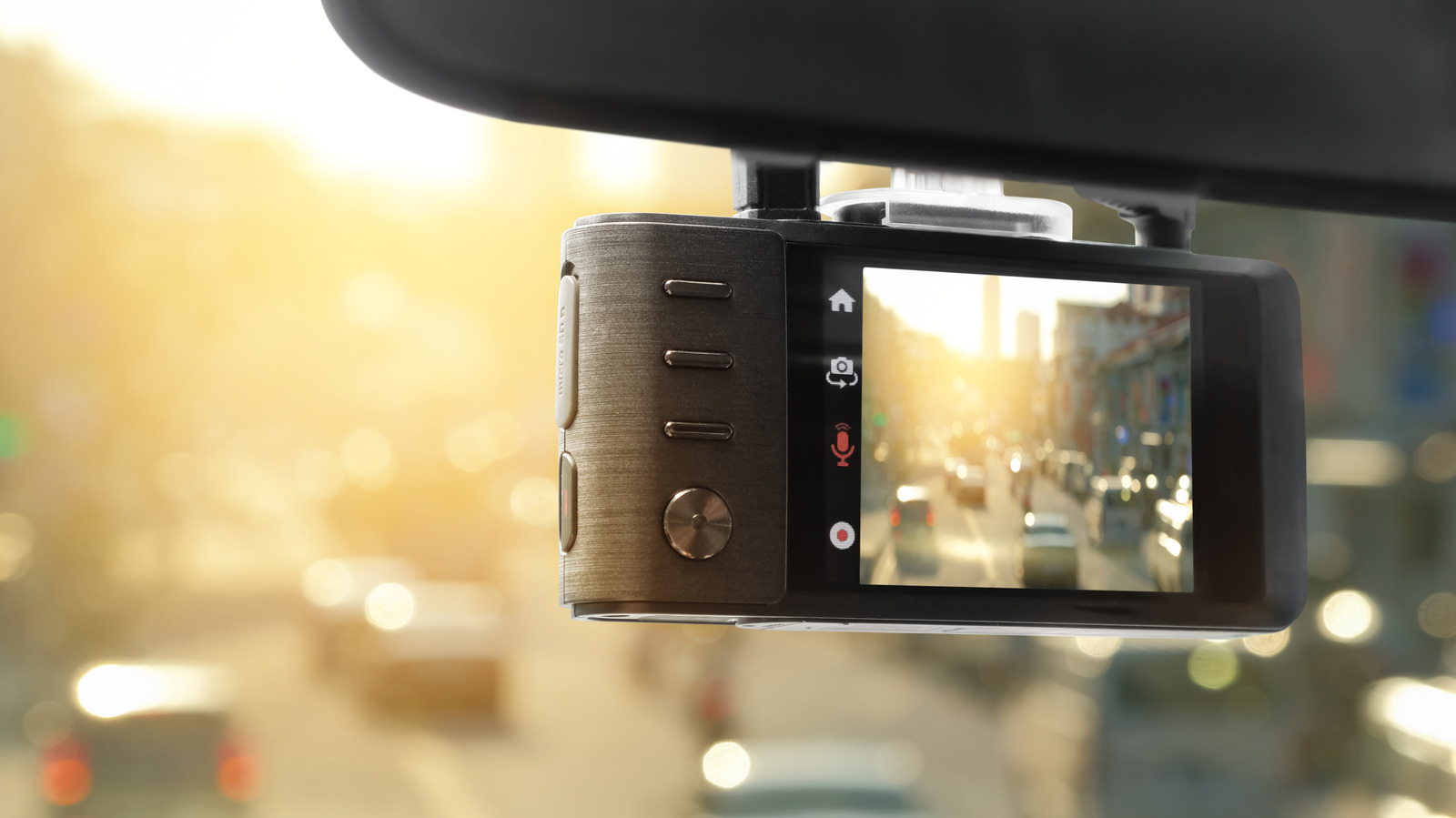 ↗
↗
US states impose varying restrictions on dash cam size, mounting location, and audio recording consent requirements.
Engineers integrating dash cams into fleet or consumer vehicles must account for state-specific legal constraints. Non-compliance risks fines or inadmissible evidence, complicating product design and user guidance.
Written by elseif from the cluster below · every claim links back to a sourceThe three things worth knowing
Some states ban windshield-mounted dash cams entirely, requiring dashboard placement instead.
Thirteen states mandate all-party consent for in-vehicle audio recording, while others require only one-party consent.
Size and positioning rules vary, with some states limiting dash cams to as little as 4 square inches.
THE READ
What the cluster adds up to.
Dash cam legality in the US is not uniform. While no state outright bans dash cams, their installation and use are governed by a patchwork of state laws. These laws address three primary concerns: driver visibility, device size, and audio recording consent. Engineers designing or deploying dash cam systems must navigate these constraints to ensure compliance across jurisdictions. The lack of federal standardization means that a one-size-fits-all approach is not viable, and systems must be adaptable to local regulations.
Mounting location is the most common restriction. Many states prohibit dash cams from obstructing the driver’s view, but the specifics vary. Some states, like California and Illinois, prescribe exact windshield zones where dash cams can be placed, while others, such as Alabama and Delaware, ban windshield mounting altogether. Dashboard placement is often the fallback, but even this may not be permitted in states like Pennsylvania and Minnesota, which prohibit any windshield-mounted objects. These rules impact both hardware design, such as mount flexibility, and software, as user interfaces may need to guide installation based on location.
Audio recording laws add another layer of complexity. Thirteen states require all-party consent for recording conversations, meaning dash cams with microphones must either disable audio in these states or include a consent mechanism. Other states permit one-party consent, but this still requires awareness of local laws to avoid legal risks. For engineers, this may necessitate geofencing features that automatically adjust recording settings based on the vehicle’s location. Failure to comply could render evidence inadmissible in court or expose users to legal liability.
Size restrictions further complicate deployment. Most states cap dash cam size at five inches, but some, like Indiana, impose stricter limits. These constraints affect hardware selection and may require modular designs to accommodate different state requirements. For fleet operators or ride-share services, compliance becomes even more critical, as vehicles may cross state lines frequently. The absence of federal guidelines means engineers must rely on state-by-state research or adopt the most restrictive rules as a baseline to minimize risk.
Written by elseif from the cluster below · checked for specifics the sources never containedTHE CLUSTER