OBSERVABILITY Signal 51
Genomic evidence traces northern Eurasians' insect-eating aversion back 9,000 years while Neanderthals consumed insects regularly
 ↗
↗
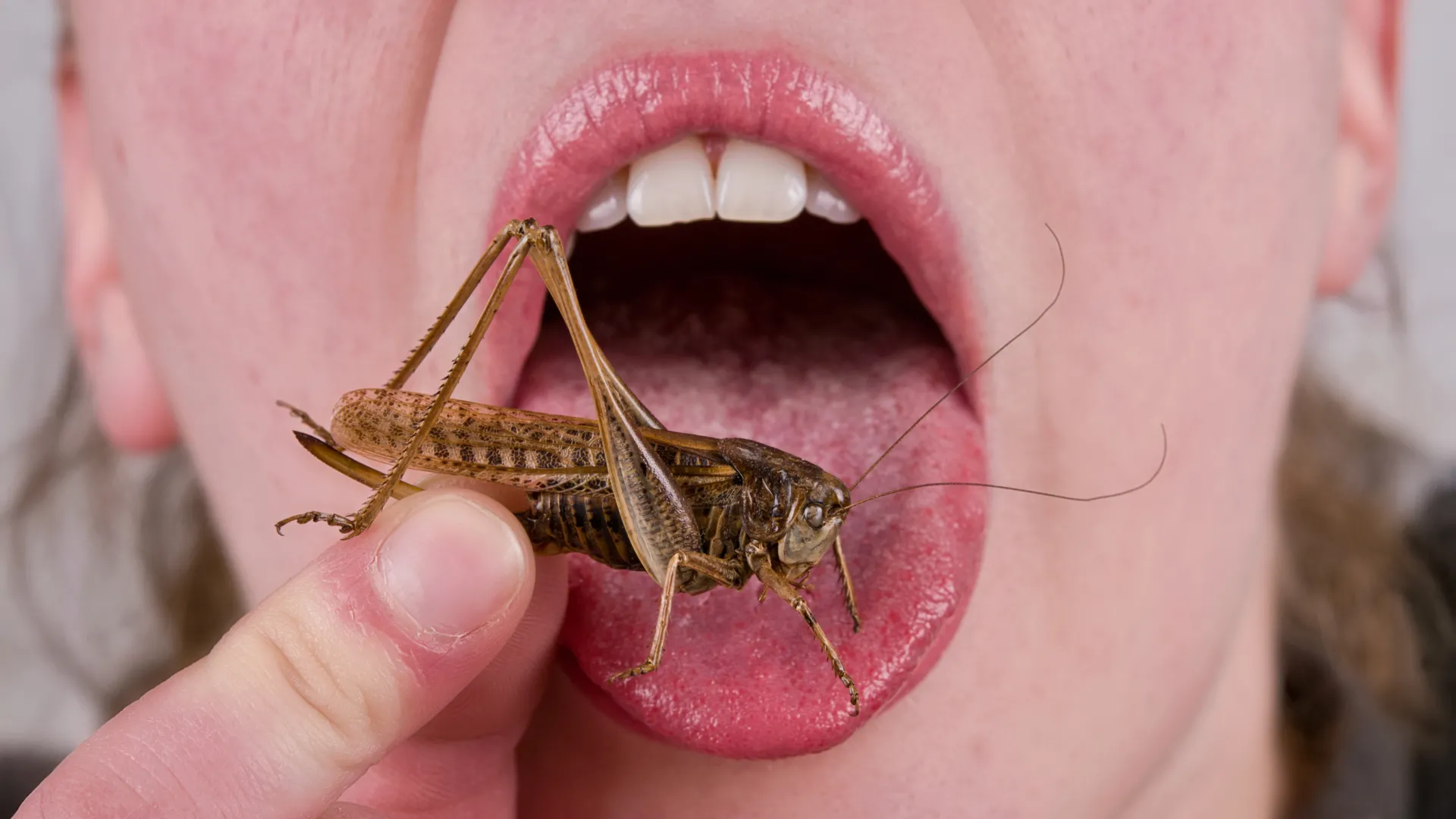
Researchers from the Institute of Evolutionary Biology analyzed 745 dental calculus samples and chitinase genes, finding that northern Eurasian populations carried mutations reducing insect digestion for roughly 9,000 years while Neanderthals and tropical populations retained more efficient variants.
The study supplies genetic and archaeological evidence that Western resistance to entomophagy has deep evolutionary roots, not purely cultural ones. For policymakers promoting insects as sustainable food, this suggests consumer aversion in certain populations may be partly biological and not fully addressable through education or marketing.
Written by elseif from the cluster below · every claim links back to a sourceThe three things worth knowing
Analysis of 745 dental calculus samples from modern humans dating back as far as 33,000 years shows northern Eurasians rarely consumed insects.
Neanderthal dental calculus contained insect DNA at levels comparable to western chimpanzees, with Diptera including mosquitoes especially abundant.
Chitinase gene mutations reducing insect exoskeleton digestion have persisted in North Eurasian populations for roughly 9,000 years, while tropical populations retained higher-expression variants.
THE CLUSTER