PERFORMANCE Signal 413
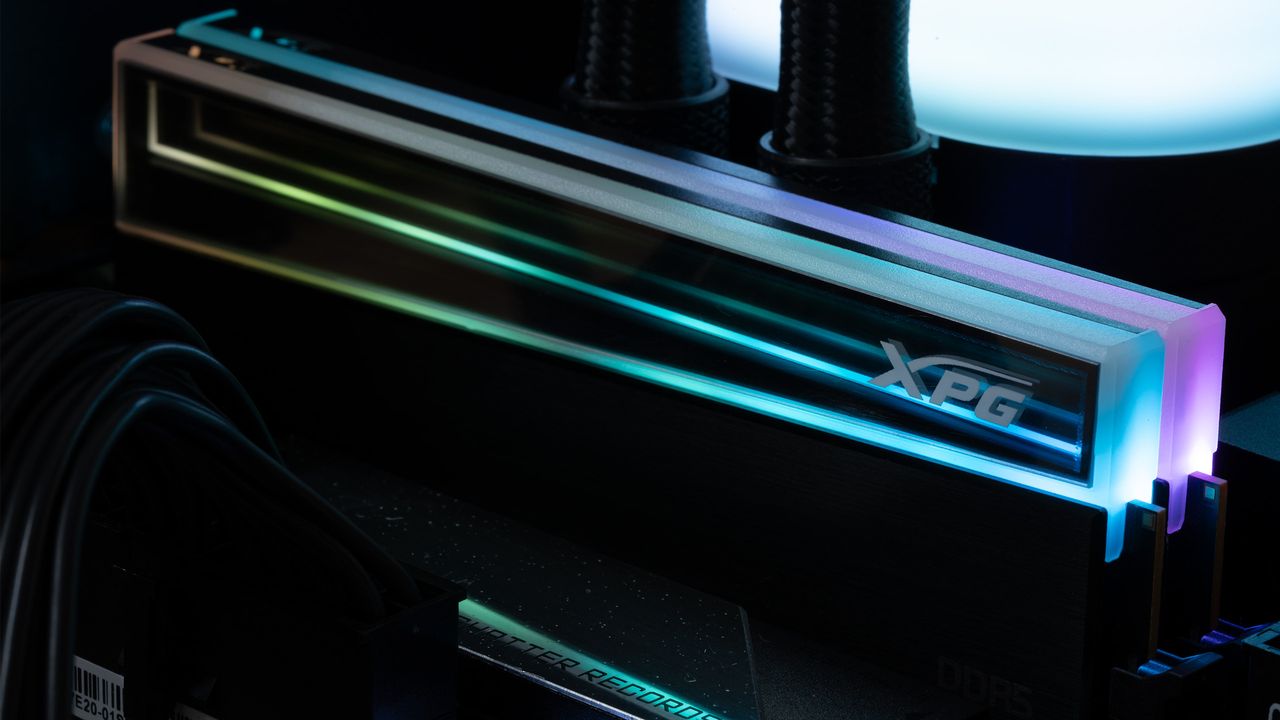
Adata XPG Novakey RGB DDR5-6000 memory kit uses recycled materials for high-performance builds
 ↗
↗
Adata’s new XPG Novakey RGB DDR5-6000 memory kit combines recycled aluminum and plastic with Intel XMP 3.0 and AMD EXPO support at 1.4V operating voltage
Engineers and system builders now have a high-performance DDR5 memory option that integrates sustainability without sacrificing compatibility or overclocking potential. The trade-off is higher voltage and cost compared to competing kits, which may limit adoption in power-sensitive or budget-conscious builds.
Written by elseif from the cluster below · every claim links back to a sourceThe three things worth knowing
The Novakey RGB kit uses 50% recycled aluminum and 85% post-consumer recycled plastic in its construction
Supports both Intel XMP 3.0 and AMD EXPO profiles for DDR5-6000 speeds at 30-40-40-77 timings and 1.4V
Features a patented Infinity Mirror RGB design but runs at higher voltage than some competing 6000MT/s kits
THE READ
What the cluster adds up to.
Adata’s XPG Novakey RGB memory kit enters a competitive DDR5-6000 market segment with a sustainability angle. The use of recycled materials in the heat spreader and packaging addresses growing demand for eco-conscious hardware without compromising the kit’s performance credentials. This positions the product for builders who prioritize both system aesthetics and environmental impact, though the premium pricing may deter cost-sensitive buyers.
The kit’s technical specifications place it squarely in the enthusiast category. With support for both Intel XMP 3.0 and AMD EXPO, it offers broad compatibility across modern platforms. However, the 1.4V operating voltage is higher than some competing kits that achieve similar speeds at 1.35V or lower. This could impact power consumption and thermal performance in densely packed systems or small-form-factor builds where every watt counts.
Performance-wise, the Novakey RGB kit delivers DDR5-6000 speeds with 30-40-40-77 timings, which are competitive but not class-leading. The kit’s overclocking potential is noted as strong, but the higher voltage may limit headroom compared to lower-voltage alternatives. The Infinity Mirror RGB design adds visual appeal, though its single-sided implementation may restrict installation flexibility in some cases.
The memory market context is important here. While supply constraints persist, Adata’s release signals continued innovation in a segment where differentiation is increasingly difficult. The Novakey RGB’s recycled materials and unique lighting effects provide tangible points of distinction, but the kit’s value proposition hinges on whether buyers are willing to pay a premium for these features over raw performance metrics.
Written by elseif from the cluster below · checked for specifics the sources never containedTHE CLUSTER