TECH Signal 622 2 feeds carried it
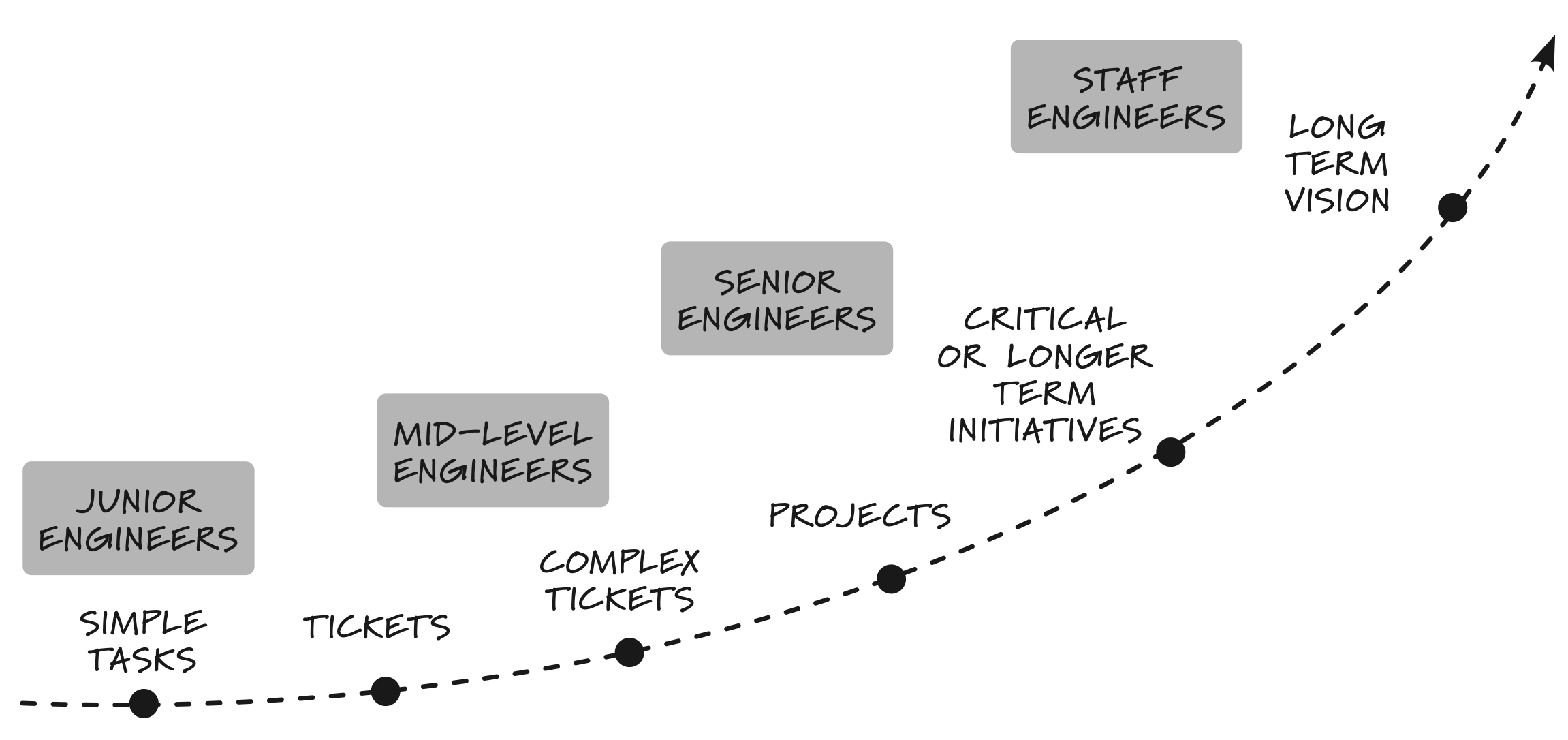
AI tools shift junior engineers from task execution to problem ownership and decision-making
 ↗
↗
AI-assisted development reduces rote coding work for junior engineers, refocusing their role on problem-solving and technical judgment under supervision
Junior engineers are not being replaced by AI but are instead being repositioned to handle more decision-making and problem ownership. This shift could lower training costs and expand the capacity of engineering teams to tackle previously deprioritized work. The change also highlights the enduring need for human context and judgment in software development
Written by elseif from the cluster below · every claim links back to a sourceThe three things worth knowing
AI reduces the need for junior engineers to perform repetitive coding tasks, allowing them to focus on problem-solving and technical decisions
Junior engineers add organizational capacity by managing complexity and making context-aware trade-offs that AI cannot handle alone
Training costs for junior engineers decrease as AI accelerates learning of technical basics, though human-provided context remains critical
THE READ
What the cluster adds up to.
The event describes a structural shift in the role of junior engineers, driven by the adoption of AI tools. Instead of primarily executing predefined tasks, such as writing code from a spec or iterating on pull requests, junior engineers are now expected to take ownership of problem-solving. This includes understanding customer needs, designing solutions, and making technical trade-offs. The change is framed as a net positive: AI handles the repetitive or low-complexity portions of the work, while juniors contribute where human judgment is required. The material suggests this shift is already happening in practice, as illustrated by an intern leading the development of a long-requested feature that had previously been deprioritized due to resource constraints.
The cost of adopting this model is not zero. While AI reduces the time juniors spend on rote coding, it increases the demand for their ability to manage ambiguity and make decisions. Junior engineers must now navigate incomplete requirements, adapt to unforeseen technical challenges, and align solutions with broader product goals. This requires a different skill set than pure execution, one that includes critical thinking, communication, and the ability to synthesize feedback from multiple stakeholders. Organizations must also invest in creating an environment where juniors feel empowered to lead, which may require cultural adjustments, such as reducing micromanagement and fostering psychological safety. The material implies that the payoff, delivering previously neglected features at lower cost, justifies these investments.
The shift has clear limits. AI tools excel at generating code or suggesting fixes based on narrow inputs, but they lack the contextual understanding required for high-stakes technical decisions. For example, AI cannot weigh the long-term maintainability of a solution against short-term customer needs, nor can it anticipate how a change might interact with other parts of a complex system. Junior engineers, even with AI assistance, still rely on human-provided context to make these judgments. The material notes that while AI can accelerate learning of technical basics, it cannot replace the nuanced understanding of a company’s codebase, architecture, or business priorities. This means that junior engineers remain dependent on mentorship and collaboration with more experienced team members, particularly for tasks requiring deep organizational knowledge.
The material also highlights a generational advantage for junior engineers entering the workforce today. Those who are "AI-native", having started their careers with AI tools, are positioned to thrive in this new model. They are accustomed to using AI as a collaborator, which allows them to focus on higher-order tasks from the outset. This contrasts with more experienced engineers, who may need to unlearn habits tied to manual execution. However, the material cautions against overestimating AI’s capabilities. While AI expands what junior engineers can handle, it does not eliminate the need for technical judgment. The future of engineering organizations still depends on cultivating this judgment, which begins with the experiences of junior engineers today.
Written by elseif from the cluster below · checked for specifics the sources never containedTHE CLUSTER