INFRA Signal 416
Ajinomoto reportedly reduces ABF chip packaging film supply to China by 30% amid rare earth curbs
 ↗
↗
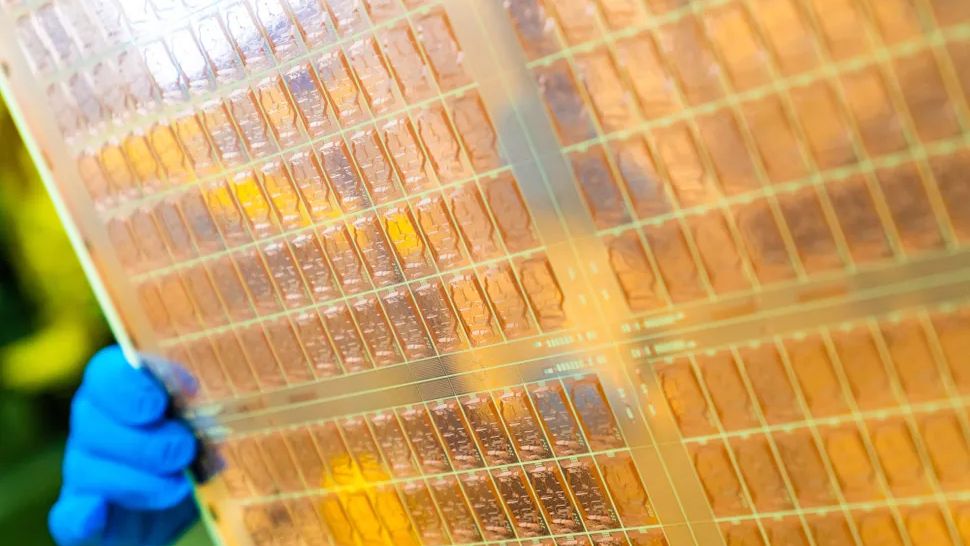
Ajinomoto has reportedly cut supply of its ABF insulating film for high-end chip packaging to Chinese customers by 30%.
ABF is critical for advanced semiconductor packaging, and China relies on Ajinomoto for nearly all its supply. A 30% reduction forces Chinese firms to accelerate domestic alternatives, but qualification and scale remain major hurdles. The move follows broader trade tensions and underscores supply chain vulnerabilities in chip materials.
Written by elseif from the cluster below · every claim links back to a sourceThe three things worth knowing
Ajinomoto reportedly slashed ABF supply to China by 30%, citing prioritization of Japanese and core overseas customers.
China’s domestic alternatives, like Huazheng’s CBF, are in qualification but lag in yield and reliability for high-layer-count substrates.
The supply cut exacerbates an existing ABF shortage, with demand projected to outstrip supply by 42% by 2028.
THE READ
What the cluster adds up to.
Ajinomoto’s reported 30% reduction in ABF supply to China targets a material used in nearly all high-end processor packaging. The film, which insulates and builds up layers in FC-BGA substrates, is dominated by Ajinomoto with a 95% global market share. Chinese firms, including Shennan Circuits and Xingsen Technology, rely almost entirely on imports, with domestic self-sufficiency below 5%. The cut aligns with Ajinomoto’s stated priority for Japanese and key overseas customers, particularly those supplying substrates for Nvidia, AMD, and Intel accelerators.
The supply squeeze arrives as ABF demand outpaces production capacity. Ajinomoto’s expansion plans, including a ¥25 billion investment to increase capacity by 50% by 2030, won’t fully address the gap. Goldman Sachs projects the supply-demand imbalance will widen from 10% in late 2026 to 42% by 2028. A confirmed 30% price hike this quarter further pressures substrate costs, which already account for 30% of the bill of materials for FC-BGA packages. The shortage mirrors past crunches in BT resin and T-glass cloth, where single suppliers also dominate.
China’s response centers on three domestic ABF alternatives: Huazheng’s CBF, Lotus Holdings’ NBF, and Hongchang Electronics’ GBF. Huazheng’s film, developed with the Shenzhen Institute of Advanced Electronic Materials, has achieved 85% yield and passed reliability tests in Huawei Ascend systems. However, all three films face lengthy qualification cycles, one to three years of thermal, damp-heat, and electrical testing, particularly for high-layer-count substrates used in AI accelerators. Upstream dependencies on imported resins and fillers further complicate self-sufficiency.
Huawei’s Ascend 910C architecture mitigates some ABF dependency by using separate silicon interposers connected via organic substrates, trading die-to-die bandwidth for yield and cost. This approach reduces reliance on high-layer-count ABF substrates, positioning Ascend as a key validation target for domestic films. However, competitors like Nvidia’s B200 and AMD’s MI300X still require advanced ABF-based packaging, leaving Chinese firms exposed to the supply cut. The broader context includes Beijing’s rare earth export curbs, suggesting a tit-for-tat dynamic in critical materials.
Written by elseif from the cluster below · checked for specifics the sources never containedTHE CLUSTER