INFRA Signal 427
As datacenters expand, so does public opposition to them
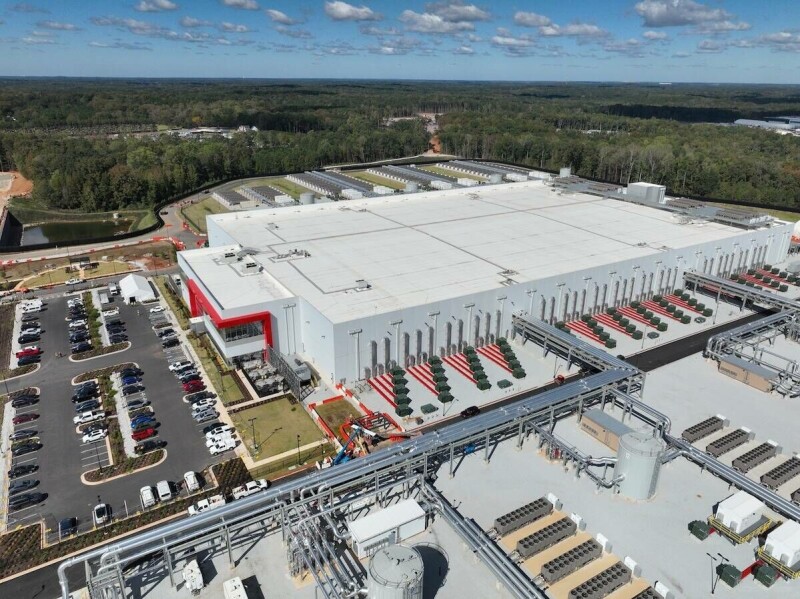 ↗
↗
Growing public opposition is prompting new bans and protests against datacenter projects in the US and UK, even as governments promote datacenters for AI growth.
Engineers must now factor siting risks, potential delays, and added costs from community pushback and regulatory moratoria into project planning. Opposition can affect power and water availability, extend approval timelines, and may force redesign or relocation of facilities. Understanding these dynamics helps anticipate obstacles and budget for mitigation.
Written by elseif from the cluster below · every claim links back to a sourceThe three things worth knowing
Over 200 new datacenter bans or moratoriums were enacted in the US in the last 30 days, raising active restrictions nationwide above 550.
In the UK, protests have targeted specific sites such as a Brick Lane redevelopment and a Devon countryside plan, while authorities have approved appeals despite local opposition.
State and federal actions continue to back datacenter expansion for AI, illustrated by limits on very large facilities, paused ERCOT grid connections in Texas, and UK efforts to streamline planning for AI-related facilities.
THE READ
What the cluster adds up to.
Public resistance to datacenter projects has intensified across the United States and the United Kingdom. More than 200 new bans or moratoriums took effect in the US within the last month, pushing total active restrictions above 550. In the UK, demonstrators have marched against specific proposals such as a Brick Lane redevelopment and a Devon countryside facility. This marks a clear shift from earlier tolerance to active community opposition.
For engineers, the shift translates into longer planning cycles and higher non-technical costs. Projects may need to be relocated to jurisdictions with fewer restrictions or redesigned to address local concerns about power, water, and visual impact. Additional spending on community outreach, legal counsel, and potential mitigation measures becomes necessary. The risk of outright cancellation grows where bans are comprehensive.
Opposition can halt development in specific areas where policies target large hyperscale consumers or where grid access is paused pending regulatory review. In Texas, approvals for projects seeking ERCOT connections have been halted until audits are completed. In the UK, planning appeals have proceeded despite local objections, showing that national policy can override municipal resistance but only when aligned with broader frameworks. Where local planning policies conflict with national guidance, projects may still be stalled.
Meanwhile, government strategies continue to promote datacenter buildout as part of AI industry growth, creating a tension between state/federal support and local pushback. Examples include state actions that limit very large facilities while still encouraging AI-related infrastructure, and UK initiatives that streamline planning for AI-related facilities. Engineers must weigh these incentives against the likelihood of community resistance and adjust site selection, design, and engagement plans accordingly. Success will depend on navigating both the regulatory landscape and the social environment.
Written by elseif from the cluster below · checked for specifics the sources never containedTHE CLUSTER