TECH Signal 404
From constraint models to playable puzzle games
 ↗
↗
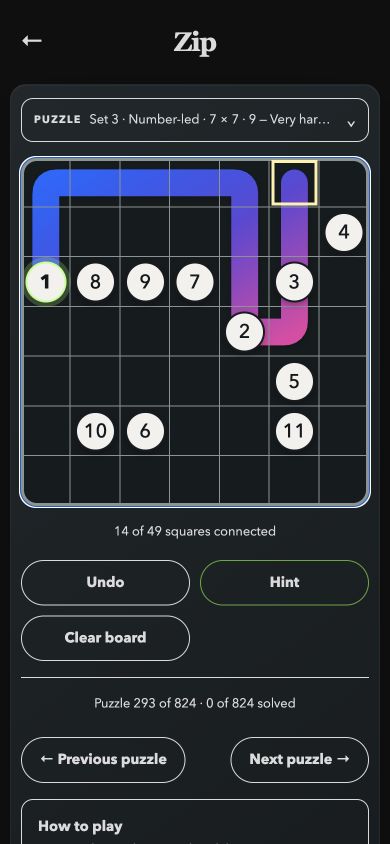
An author converted constraint models used for academic research into playable browser-based puzzle games, demonstrating how offline solvers can generate static, classified puzzle packs.
This approach separates expensive constraint solving from the client application, allowing web games to serve pre-computed, difficulty-classified puzzles without running a solver in the browser. It also provides a practical demonstration of using constraint programming languages like MiniZinc and solvers like Gecode for procedural generation and difficulty rating.
Written by elseif from the cluster below · every claim links back to a sourceThe three things worth knowing
The author generated playable versions of nine puzzle games, including Sudoku and Nonogram, using constraint models originally built for academic research.
Puzzle generation and uniqueness checking occur offline, so the browser only handles static puzzles and stored solutions rather than running a solver.
Difficulty classification relies on propagation configurations rather than human estimation, assigning tags based on the weakest solver configuration required to complete the puzzle without branching.
THE CLUSTER