TECH Signal 368
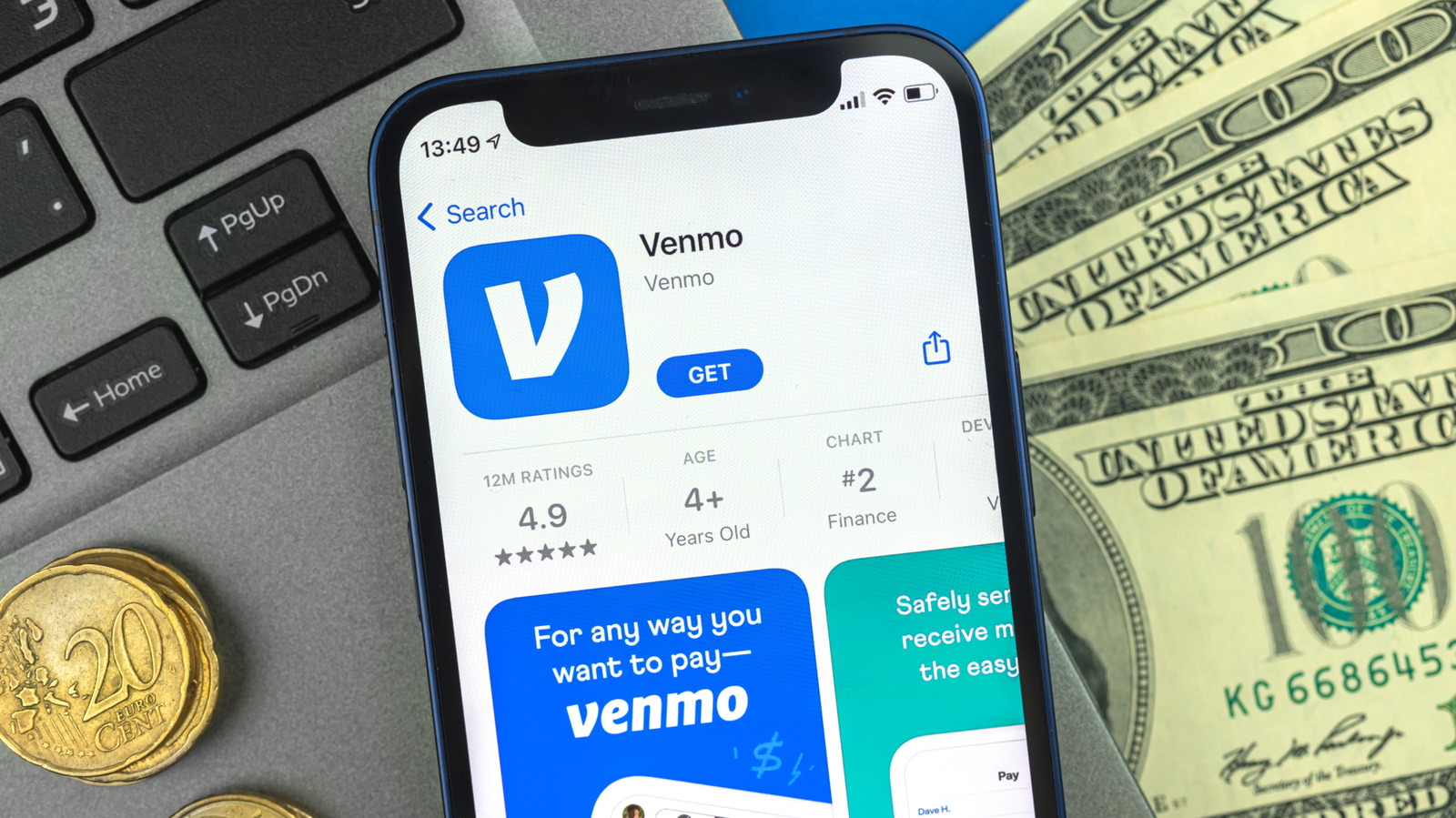
Google Play now takes Venmo payments
 ↗
↗
Google Play adds Venmo as a payment option for Android app purchases, subscriptions, and in-app content.
Developers will see a new user-facing payment method appear in the Play Store checkout flow, which could shift transaction patterns. Engineers responsible for billing integration must verify that the Play Billing Library correctly surfaces Venmo and that any analytics capture the new method. The change is tied to Google’s broader outside-billing rollout, signaling a more open payment ecosystem.
Written by elseif from the cluster below · every claim links back to a sourceThe three things worth knowing
Venmo is now listed alongside cards, PayPal, and Cash App as a selectable payment method in Google Play.
Users must add Venmo in the Play app’s payment settings before they can spend their Venmo balance or linked funding sources on Google services, including YouTube.
The addition is part of Google’s outside-billing expansion; not all alternative payment options will support Venmo.
THE READ
What the cluster adds up to.
Google has expanded the Play Store checkout UI to include Venmo, allowing purchases to be funded from a Venmo balance or any card or bank account linked to the user’s Venmo account. The integration is presented as a simple toggle in the Play app’s payment-method screen, mirroring the steps for other digital wallets. From a user-experience standpoint, the flow adds another familiar option for consumers who already use Venmo for peer-to-peer payments. This change does not replace existing methods; it sits alongside them as an additional choice. The visible impact is limited to the front-end checkout experience, with no immediate requirement for developers to alter their code.
For developers, the Play Billing Library continues to abstract the payment method, meaning the SDK will automatically surface Venmo when it is available to the user. Consequently, most apps will not need to modify their billing implementation to support the new option. However, teams should run regression tests to confirm that receipt handling and revenue reporting still function correctly when Venmo is the selected method. Any custom analytics that track payment-method usage will need to be updated to capture Venmo transactions. The underlying billing backend remains unchanged, so server-side changes are optional.
Adopting Venmo as a payment channel incurs virtually no cost for developers because Google handles the transaction processing and settlement. The primary effort lies in testing the updated checkout flow and ensuring that any internal dashboards reflect the new method. If a developer wishes to offer Venmo outside of Google Play, such as on their own website, they would need to integrate Venmo’s own SDK and comply with its separate compliance requirements, which represents additional work beyond the Play Store integration. For most Android apps, the marginal cost is limited to QA and minor UI verification.
The new payment option is currently limited to regions where Google Play already supports outside billing, specifically the United States and, by extension, the UK and Europe as noted in the settlement context. Users in other markets will not see Venmo as a choice until Google expands the rollout. Moreover, while Google’s ecosystem now accepts Venmo, third-party developers who provide alternative billing links may choose other providers and are not required to support Venmo. This geographic and partner limitation defines where the feature will not function.
Google’s move follows a settlement with Epic Games that opened the Play Store to external billing providers, signaling a shift toward a more competitive payment landscape. By adding Venmo, Google aligns with other popular digital wallets, potentially increasing user conversion rates for purchases. Engineers should monitor how this broader openness influences payment-method adoption trends, as it may affect revenue forecasting and the prioritization of future payment-gateway integrations.
Written by elseif from the cluster below · checked for specifics the sources never containedTHE CLUSTER