WEB Signal 142
Firefox on iOS adds built-in ad blocker using WebKit Content Blocker and EasyList, off by default
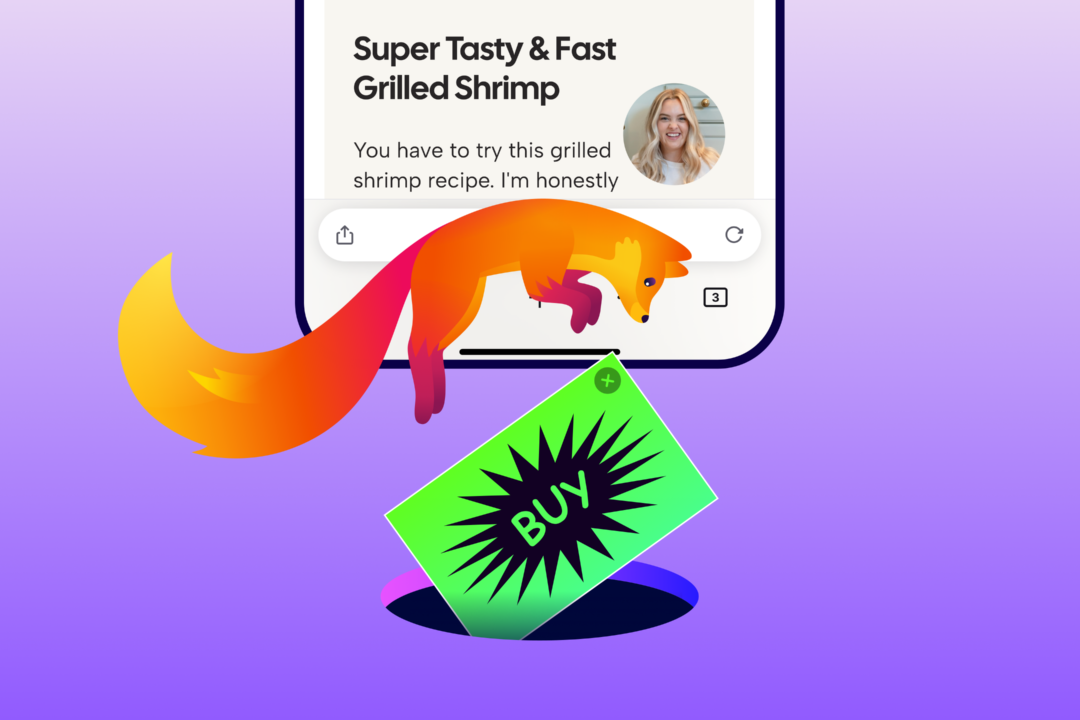 ↗
↗
Mozilla shipped a native ad-blocking option in Firefox for iOS that uses Apple's WebKit Content Blocker technology and the EasyList filter list, because iOS does not support browser extensions the way desktop and Android do.
iOS browsers are constrained by Apple's WebKit requirement and lack the extension ecosystem that Firefox relies on elsewhere, so ad blocking had to be built into the browser itself rather than offered as an add-on. The feature is opt-in and limited: it will not block first-party ads, search ads, or Firefox's own sponsored shortcuts. Only one feed carried this story, so independent corroboration is absent.
Written by elseif from the cluster below · every claim links back to a sourceThe three things worth knowing
Ad Blocker for Firefox on iOS is a built-in feature toggled in Settings > Browsing > Ad Blocker and is off by default.
It uses Apple's WebKit Content Blocker technology and the EasyList filter list, with no separate extension to install.
It will not block ads served directly by the site being visited, ads in search results, or Firefox's own sponsored shortcuts and sponsored content.
THE READ
What the cluster adds up to.
Mozilla built ad blocking directly into Firefox on iOS because the platform does not support browser extensions in the same way that desktop and Android do. The feature uses Apple's WebKit Content Blocker technology combined with the EasyList filter list to block many third-party ads and ad-related trackers before they load. There is no separate extension to install; users toggle it in Settings > Browsing > Ad Blocker, and it ships off by default.
The scope of blocking is deliberately limited. Ads served directly by the site being visited and ads shown in search results will still appear. Firefox's own sponsored shortcuts and other sponsored content shown on new tabs are separate from web-page ads and are unaffected by the blocker. Mozilla frames this as giving users choice rather than eliminating advertising wholesale, noting that advertising helps fund much of the open web.
Ad Blocker works alongside existing privacy protections in Firefox, including Enhanced Tracking Protection, which already blocks many trackers and limits cross-web tracking. On desktop and Android, Firefox continues to support a broader ecosystem of ad-blocking and privacy extensions, and Mozilla states it will keep supporting that ecosystem. The iOS implementation is a separate engineering path dictated by platform constraints, not a shift in Mozilla's overall extension strategy.
Because only one feed carried this story, there is no cross-feed corroboration or differing framing to compare. The material is a product announcement from Mozilla, so the claims about how the feature works and what it blocks come solely from the vendor. Engineers evaluating iOS browser capabilities should note that the underlying mechanism is Apple's WebKit Content Blocker API, which imposes its own architectural constraints on what any iOS browser can block.
Written by elseif from the cluster below · checked for specifics the sources never containedTHE CLUSTER