Submit your ideas for Interop 2027
Why it matters — Only one feed elseif tracks has carried this so far, so there is no independent corroboration yet. Read it as a single-source report.
TOPIC
Browser engines, rendering, and the frameworks people build interfaces with. Standards that landed, APIs that shipped, and what each one means for pages you already have in production.
WEB
Why it matters — Only one feed elseif tracks has carried this so far, so there is no independent corroboration yet. Read it as a single-source report.
Why it matters — Reducing splash can help lower water consumption and cleaning requirements, supporting broader sustainability objectives. Enhancing accessibility can make public restrooms more usable for a wider range of people, influencing facility design standards.
Why it matters — ReactOS remains a niche but actively developed Windows-compatible OS. This release reduces friction for new users and lays the groundwork for better application compatibility. Engineers testing legacy Windows software on open-source platforms may find the improvements useful, though ReactOS is not yet a drop-in replacement for modern Windows.
Why it matters — Engineers testing web applications in Chrome may encounter unexpected data persistence for Google-owned domains. This undermines user trust in browser privacy controls and complicates compliance with data retention policies. If confirmed, the behavior could affect how developers handle session management for Google services.
Why it matters — A unified metric lets engineers compare diverse models without juggling many separate benchmarks. Adding human baselines provides a concrete reference point for assessing how far AI systems have progressed relative to people. Policymakers and developers can use the index to prioritize research directions and allocate resources more effectively.
Why it matters — Engineers evaluating utility-first CSS frameworks must weigh the trade-off between rapid assembly and long-term maintainability, as mixing concerns in markup can reduce readability and reusability in server-rendered architectures. This critique highlights that Tailwind's design system relies on developer discipline due to escape hatches like arbitrary values, and that the abstraction may hinder mastery of native CSS.
Why it matters — This change reduces bandwidth usage and improves page load times for iOS users while maintaining compatibility with Apple’s WebKit restrictions. It also brings Firefox closer to feature parity with competing iOS browsers that already offer ad blocking.
Why it matters — Engineers and users relying on uBlock Origin for ad-blocking or content filtering will face reduced functionality in Chromium-based browsers. Firefox’s continued support preserves a key tool for web privacy and performance, but isolates it as the only major non-Chromium option.
Why it matters — Mador gives engineers a way to add reactive state to existing DOM without pulling in a framework, which suits pages that only need a little reactivity. Its small size and lack of build step make it easy to adopt, but it deliberately omits components, templates, and virtual DOM, so it is not a full framework replacement.
Why it matters — For front-end engineers, CSS random() offers a declarative way to add controlled randomness to layouts, reducing reliance on JavaScript. A polyfill would make this feature usable across browsers, but the spec is still in early draft and subject to breaking changes, so adopting a polyfill carries maintenance risk.
Why it matters — Developers and users who rely on legacy ad-blockers will lose functionality unless they migrate to Manifest V3 versions or switch browsers. The change also signals a broader industry move toward a newer extension API, affecting any tooling that interacts with the older platform.
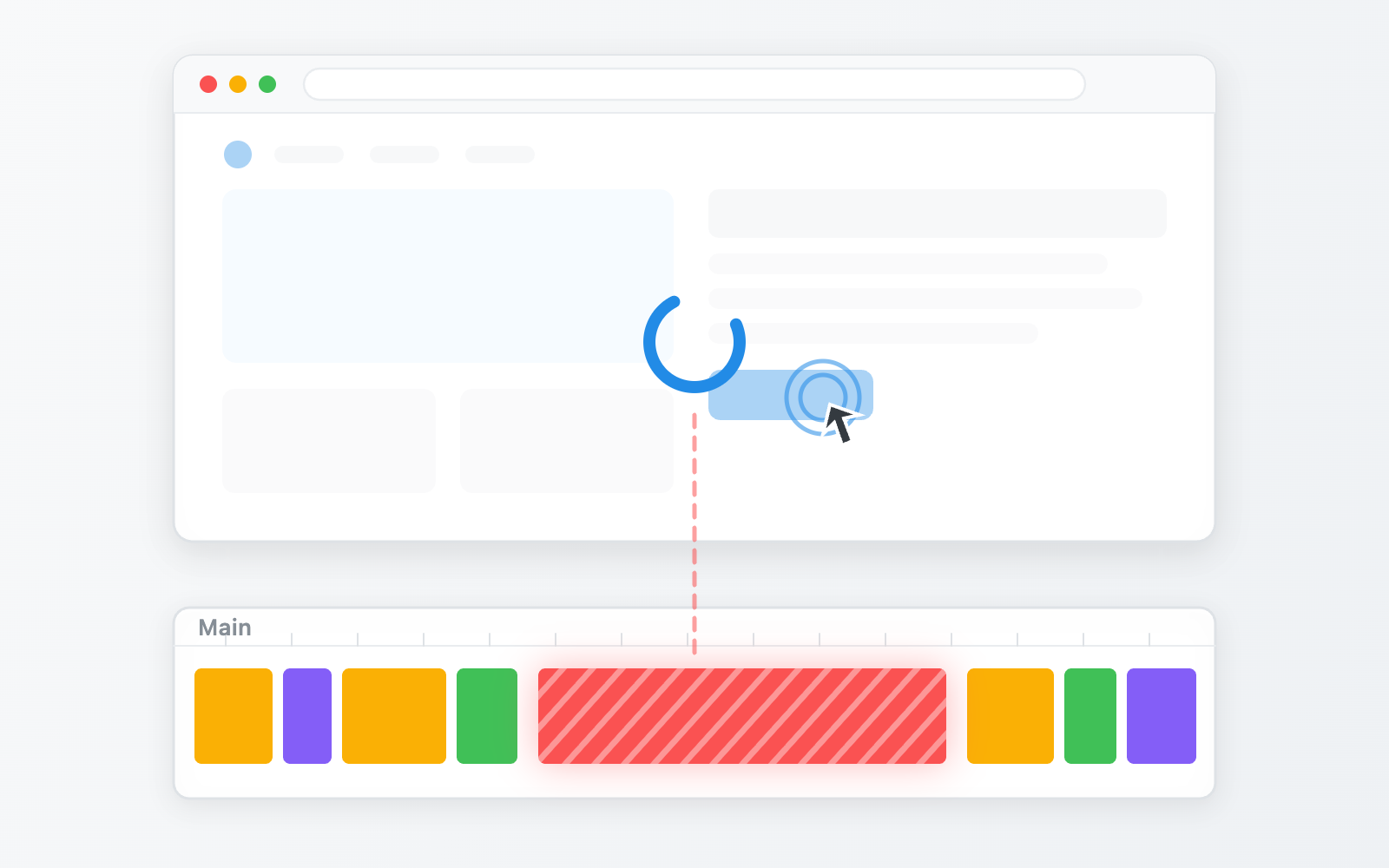
Why it matters — The browser’s main thread handles both JavaScript execution and rendering, creating a single point of contention. When blocked, even well-optimized apps suffer from input lag, stuttering, or frozen animations. This bottleneck becomes critical in applications with live data streams, complex interactions, or high refresh-rate displays.
Why it matters — Engineers building or testing browser-based applications need to know what data their tools collect by default. If an AI feature is disabled but its telemetry persists, it may still affect performance metrics or privacy expectations without delivering the intended functionality. The discrepancy also raises questions about how settings and data collection are decoupled in browser design
Why it matters — This removes a major barrier to running scientific Python in the browser, as Numba was previously unavailable due to browser security restrictions on executable memory. Engineers can now share interactive notebooks with compiled performance without provisioning servers, making documentation and education more scalable.
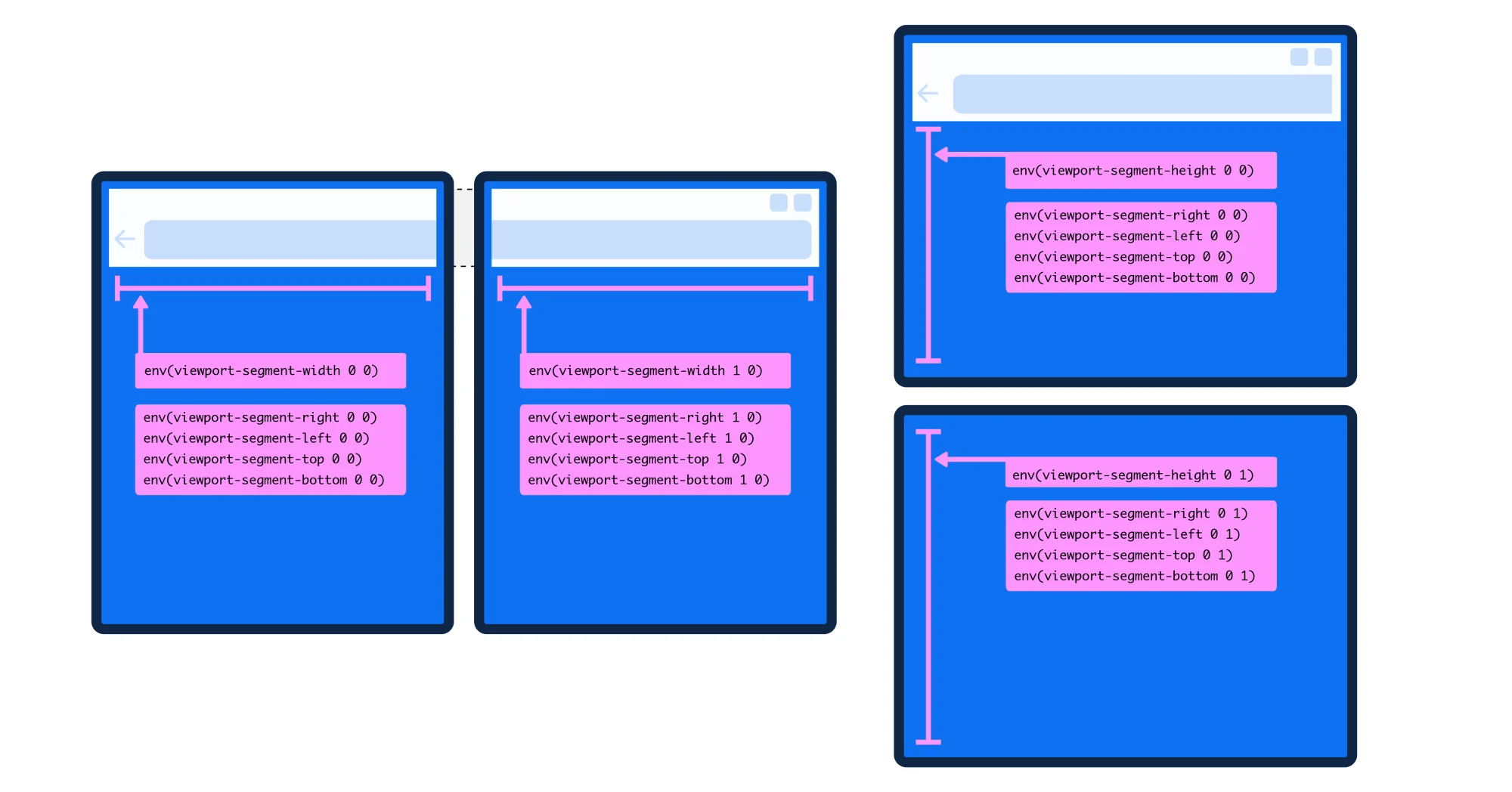
Why it matters — CSS centering operates within the viewport, so any browser UI on one side shifts the apparent center toward that side, making technically correct layouts look wrong. This technique gives developers a way to correct for that offset, though it requires JavaScript and a pointer event on Chromium browsers before the adjustment can take effect.
Why it matters — The approach demonstrates a practical pipeline for image-based geolocation without metadata: geometric fingerprinting plus GPU-parallel brute force over a filtered global dataset. The filtering heuristics and sampling strategy reduced an intractable search space to a tractable one while staying on a single GPU. Engineers working on geospatial matching or image forensics can adapt the filter-then-GPU-match pattern for similar large-scale combinatorial searches.
Why it matters — Engineers building or maintaining webmail clients must now account for CSS-based attack vectors that can manipulate UI, exfiltrate data, or hijack sessions. The gap between sanitizer assumptions and browser rendering creates exploitable discrepancies. If your system renders HTML/CSS from untrusted sources, these techniques could expose users to account takeovers or data leaks.
Why it matters — Engineers can now use JPEG XL images in web content without requiring users to toggle flags, gaining access to its compression efficiency and features like animation and progressive rendering. The change aligns Firefox with Safari’s support while Chrome remains behind a flag, affecting cross-browser testing and performance considerations.
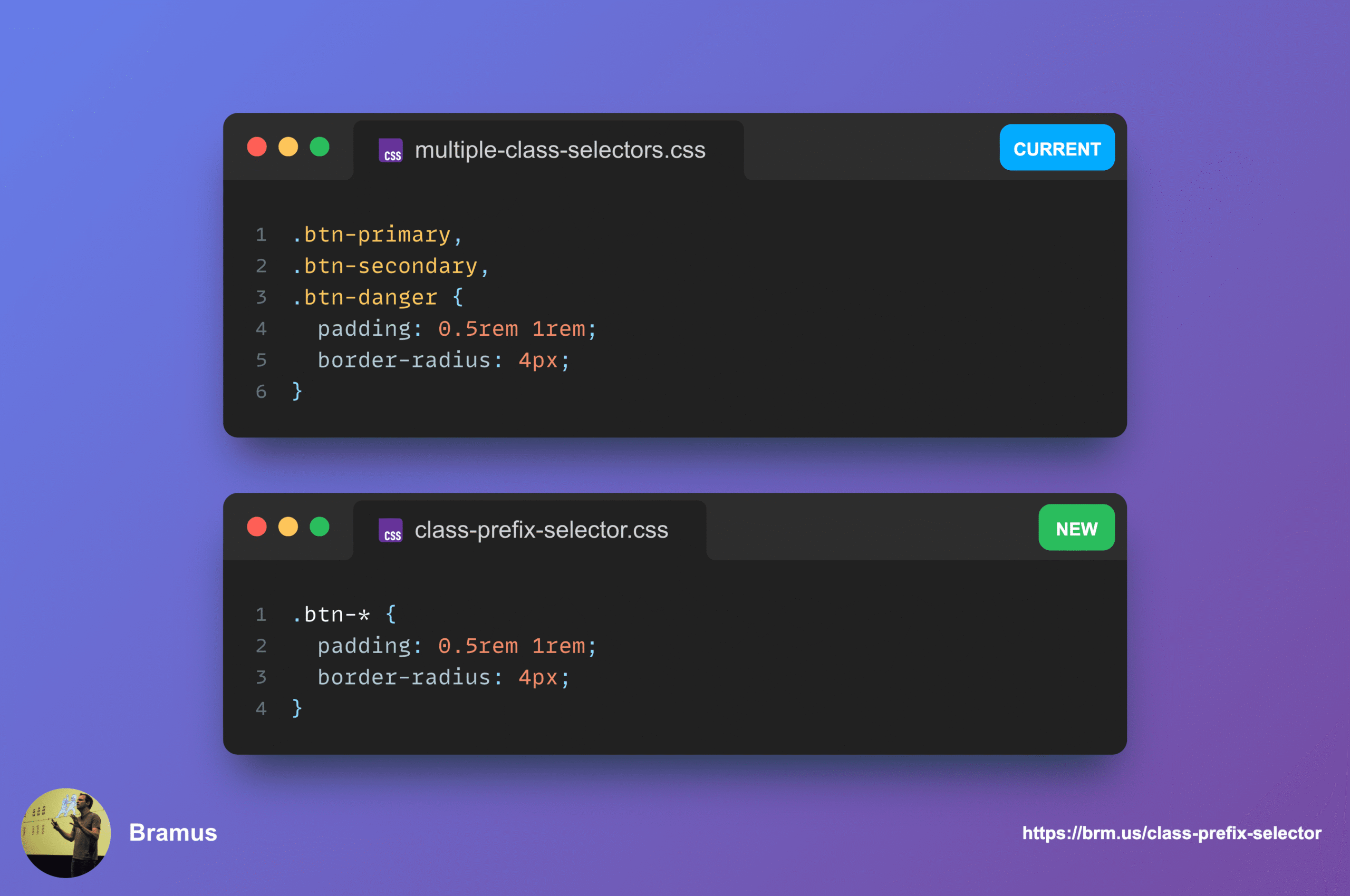
Why it matters — This selector removes the need for brittle attribute selectors or extra base classes when styling prefixed utility classes in design systems. However, since it only exists in spec text and has no browser support yet, it will be years before it can be used in production.
Why it matters — Engineers can simplify front-end code by replacing custom JavaScript implementations with native HTML features. This reduces bundle size and improves maintainability, but browser support varies and may limit adoption in legacy environments. The shift reflects a broader trend toward standardizing common UI behaviors in HTML itself.
Top stories right now