TECH Signal 499
US trade report named Japan's BTRON OS as unfair barrier, effectively killing it
 ↗
↗
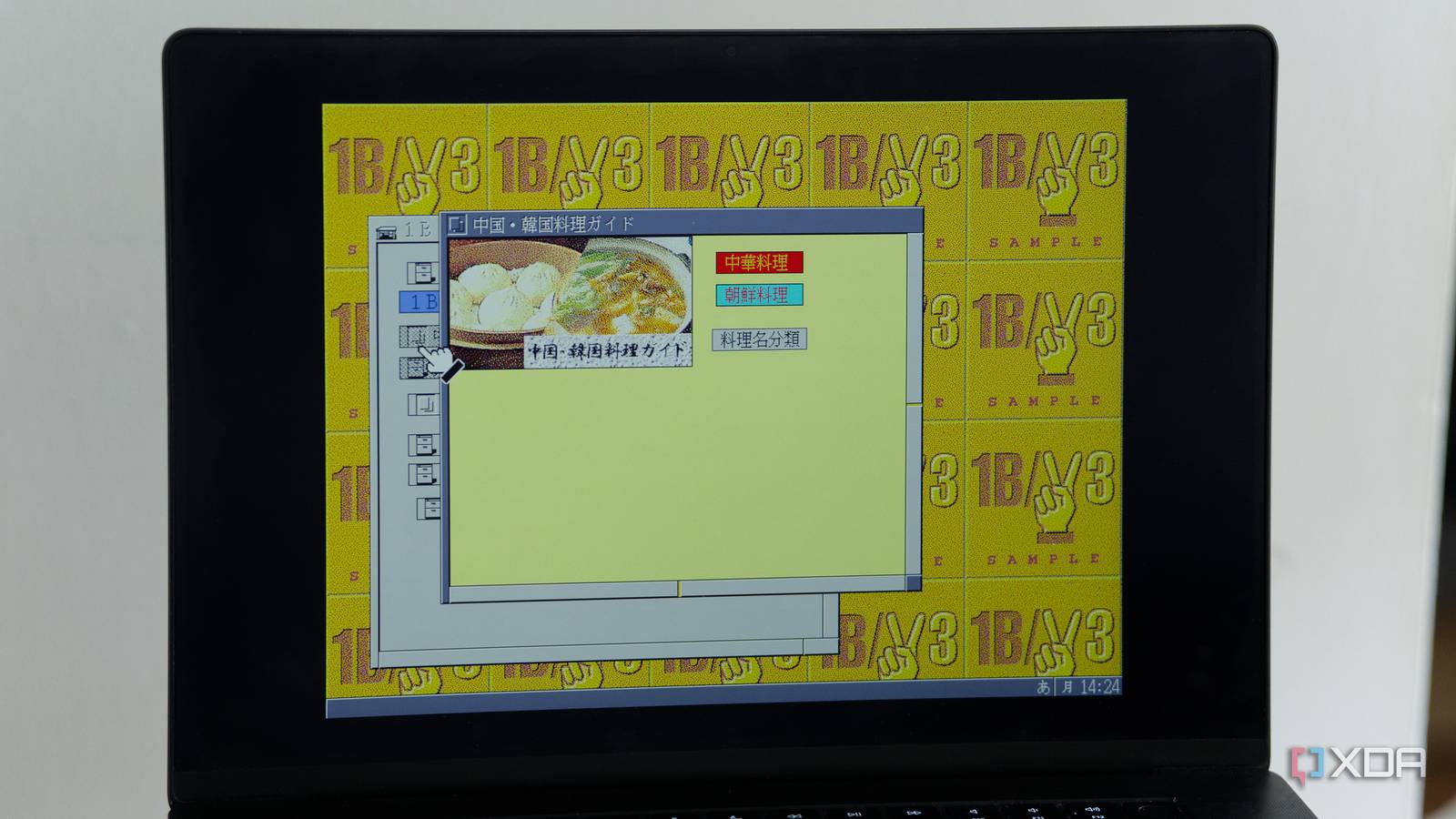
Japan's government-backed TRON Project, which included a hypermedia desktop OS called BTRON designed to replace the file system with a document model, was effectively killed after a 1989 US trade report designated it an unfair trade barrier.
The episode shows how trade policy can determine which computing architectures reach scale, regardless of technical ambition. While BTRON was killed before reaching Japanese schools, its embedded counterpart ITRON quietly became one of the most deployed operating systems in history, proving that technical merit alone does not decide market outcomes.
Written by elseif from the cluster below · every claim links back to a sourceThe three things worth knowing
Ken Sakamura launched the TRON Project at the University of Tokyo in 1984, designing an OS family spanning desktop (BTRON) and embedded (ITRON) variants running on a custom Japanese CPU architecture.
A 1989 US trade report named BTRON as an unfair trade barrier, effectively killing the desktop OS before it could reach schools nationwide.
ITRON, the embedded counterpart, went on to become one of the most deployed operating systems in history despite BTRON's demise.
THE READ
What the cluster adds up to.
TRON was not just an operating system but a full-stack computing vision. Ken Sakamura designed it to encompass silicon, encoding 1.5 million characters and running on a custom Japanese CPU architecture. The desktop variant, BTRON, replaced the traditional file system with a hypermedia document model, an approach the article describes as decades ahead of what the market could support at the time. The ambition was total: an OS family for the whole of Japanese society, from embedded devices to desktops destined for nationwide school deployment.
The US intervention came through a 1989 trade report that named BTRON specifically as an unfair trade barrier. That designation effectively killed the desktop variant before it could reach Japanese schools at scale. The article also notes that SoftBank founder Masayoshi Son may have helped sink BTRON from the inside, though the material does not detail the mechanism. What is clear is that geopolitical pressure, not technical failure, was the decisive factor in BTRON's cancellation.
The project's embedded counterpart, ITRON, followed a different trajectory. While BTRON was killed, ITRON quietly became one of the most deployed operating systems in history. The divergence illustrates how embedded systems, being less visible and less politically charged than consumer-facing desktop OSes, can survive trade disputes that kill their more prominent siblings. ITRON's success also suggests that the TRON architecture itself was sound, even if the desktop variant never got a fair market test.
The story has since attracted conspiracy theories, including one claiming that Japan Airlines Flight 123 was deliberately crashed to target TRON developers on board. The article states there is no evidence any TRON developers were on that flight. The actual history is strange enough without embellishment: a technically ambitious, government-backed OS was singled out in a trade report and effectively ended, while its embedded sibling became ubiquitous in obscurity.
Written by elseif from the cluster below · checked for specifics the sources never containedTHE CLUSTER