TECH Signal 345
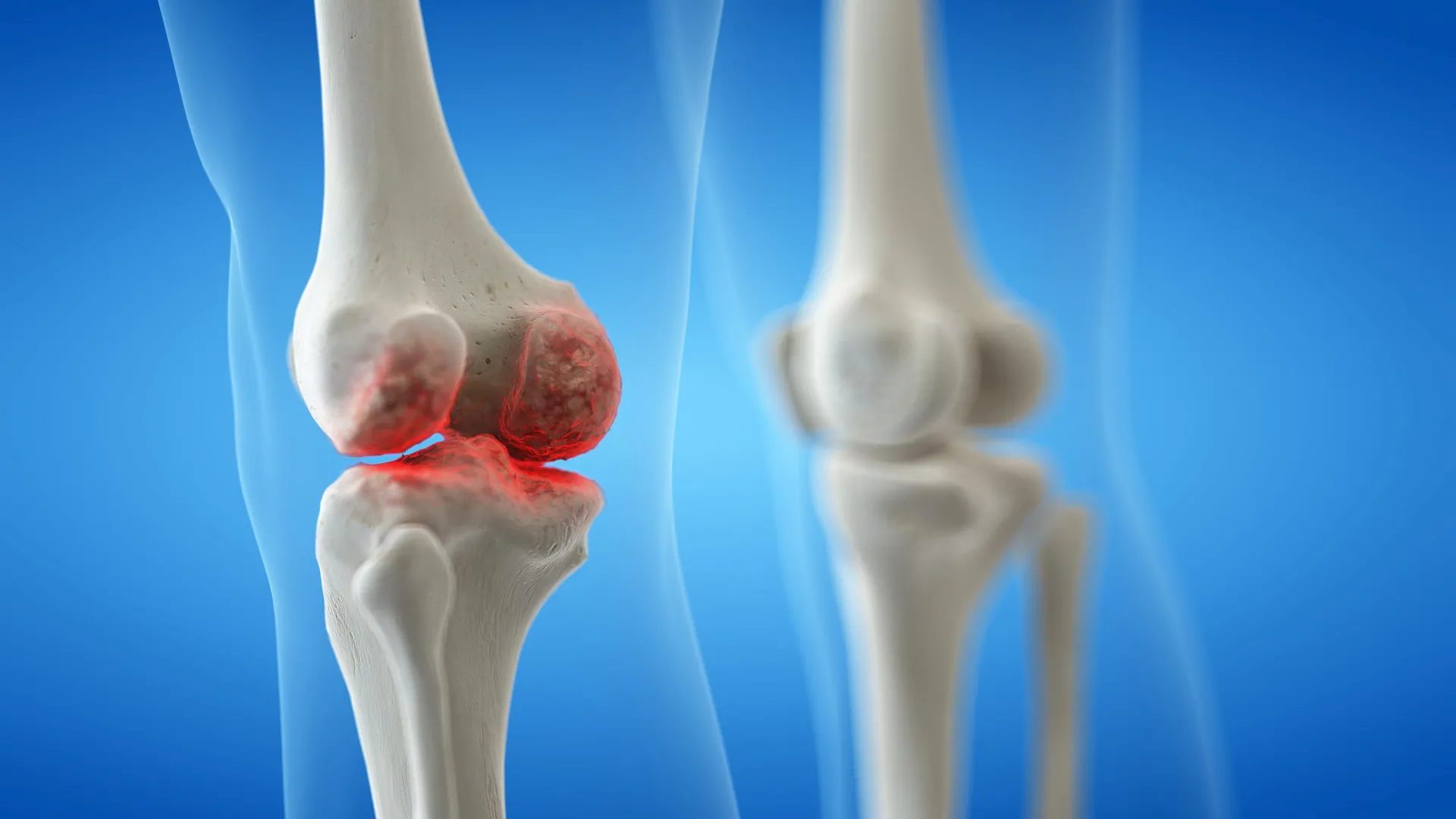
Lifestyle changes reduce knee osteoarthritis pain and joint stress
 ↗
↗
Adopting exercise, strength training, a healthier diet, and modest weight loss can markedly lower knee joint load and alleviate osteoarthritis symptoms.
Knee osteoarthritis can limit mobility, lead to missed work and lost income, and increase the risk of chronic conditions such as heart disease, cancer, and diabetes, affecting workforce health and productivity. Simple lifestyle adjustments can reduce joint stress by up to 40 pounds per step for a 10-pound weight loss, directly easing pain and preserving function. These low-cost, non-pharmacologic measures are accessible strategies that engineers can adopt to protect joint health while working.
Written by elseif from the cluster below · every claim links back to a sourceThe three things worth knowing
Exercise and stronger leg muscles decrease knee joint load and pain.
A healthier diet rich in plants and low in processed foods reduces inflammation and osteoarthritis symptoms.
Losing as little as 10 pounds can cut knee stress by 40 pounds per step, significantly easing joint load.
THE READ
What the cluster adds up to.
The article reports that knee osteoarthritis progression is not inevitable and can be influenced by modifiable lifestyle factors. Regular physical activity, including strength training for the thigh muscles, helps maintain joint stability and reduces pain. A diet emphasizing whole grains, fruits, vegetables, and limiting processed foods lowers systemic inflammation, which contributes to symptom relief. These changes are presented as first-line actions that can slow disease onset and worsening.
Adopting these lifestyle changes requires time, effort, and possibly guidance from health-care providers or community programs. The material notes that providers can create individualized strategies and connect patients to resources that facilitate initiation and maintenance of healthy habits. While the interventions are low-cost in monetary terms, they demand personal commitment and access to supportive environments such as safe spaces for exercise or nutritious food options.
The benefits have limits: when osteoarthritis advances, lifestyle measures alone may not suffice, and medical treatments such as knee braces, anti-inflammatory medications, cortisone injections, or joint replacement surgery may become necessary. The text also acknowledges that factors like prior knee injury, family history, and older age increase risk, indicating that lifestyle changes cannot fully overcome all predispositions. Thus, the approach works best as part of a broader management plan rather than a standalone cure for severe disease.
For engineers, the practical implication is that integrating regular movement, strength exercises, and mindful eating into daily routines can help preserve knee function, reduce absenteeism, and maintain long-term productivity. The recommended actions are non-invasive, scalable, and can be implemented without specialized equipment, making them suitable for workplace wellness initiatives. However, reliance on lifestyle changes alone should be balanced with timely medical consultation when symptoms persist or worsen.
Written by elseif from the cluster below · checked for specifics the sources never containedTHE CLUSTER