TECH Signal 556 2 feeds carried it
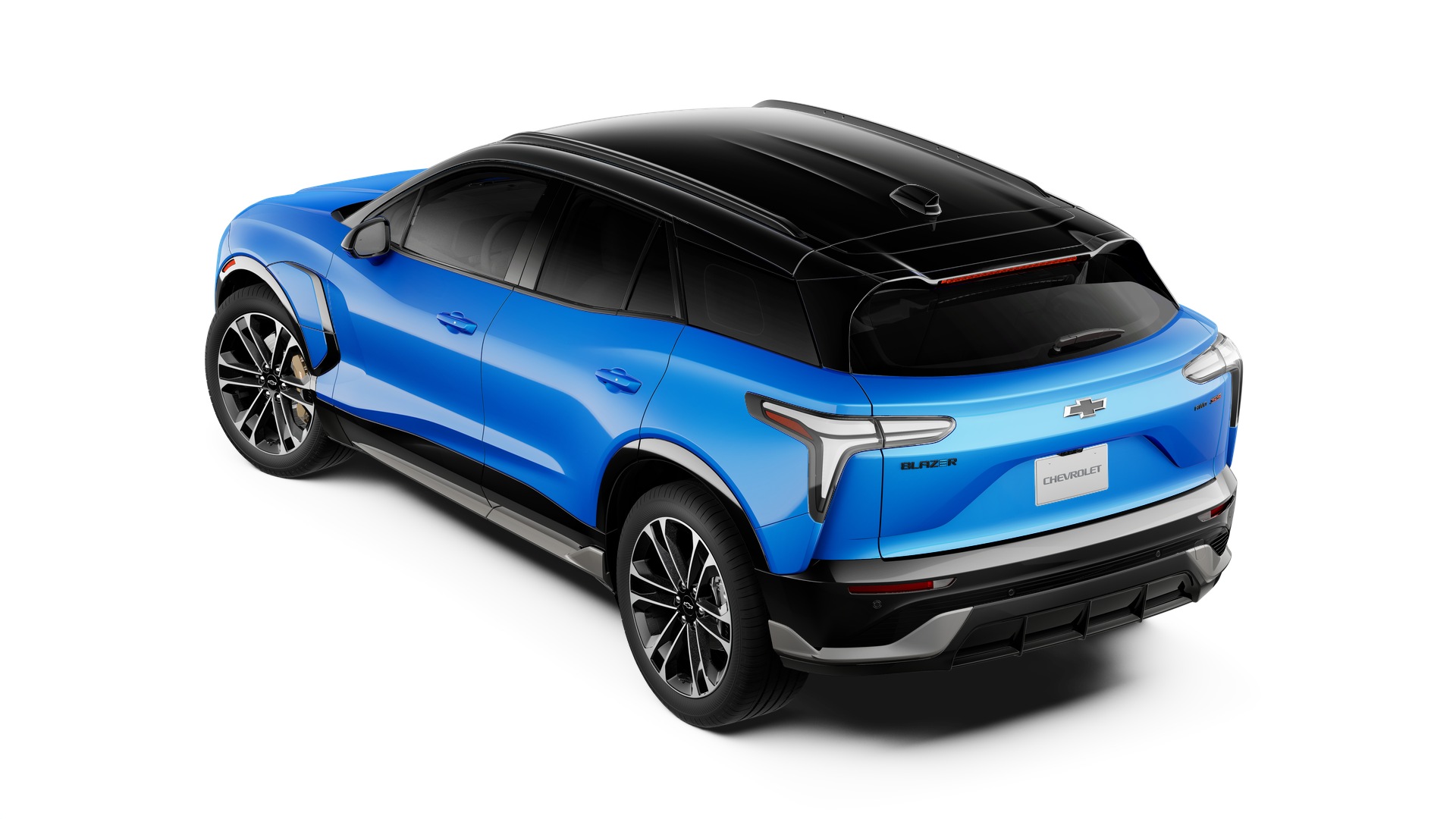
Honda Prologue EV outsold nearly identical Chevrolet Blazer EV by up to 166% with CarPlay included
 ↗
↗
A real-world A/B test between two mechanically identical EVs showed buyers overwhelmingly preferred the model with Apple CarPlay and Android Auto integration.
CarPlay and Android Auto are not optional extras for many drivers; they are baseline expectations. Removing them can directly impact sales, even when the underlying vehicle is otherwise identical. This case provides concrete evidence for engineers evaluating in-vehicle software priorities.
Written by elseif from the cluster below · every claim links back to a sourceThe three things worth knowing
The Honda Prologue EV and Chevrolet Blazer EV share the same GM platform and hardware, differing only in branding and infotainment software.
Sales data over 2.5 years shows the Prologue, which includes CarPlay and Android Auto, outsold the Blazer EV by 43% to 166%.
Chevrolet’s decision to replace CarPlay with Android Automotive OS appears to have negatively affected consumer demand.
THE READ
What the cluster adds up to.
The Honda Prologue EV and Chevrolet Blazer EV are mechanically identical vehicles rebadged under different brands. Both are built on General Motors’ electric platform, with the same powertrain, chassis, and interior architecture. The only meaningful difference between the two is the infotainment system: the Prologue retains Apple CarPlay and Android Auto, while the Blazer EV replaced them with Android Automotive OS. This creates a rare natural experiment in consumer preference, isolating the impact of infotainment software on sales.
Sales data from 2024 to mid-2026 shows a clear and growing preference for the Prologue. In 2024, the Prologue outsold the Blazer EV by 43%. In 2025, the gap widened to 73%, and in the first half of 2026, the Prologue sold at more than 2.5 times the rate of the Blazer EV. These figures suggest that the absence of CarPlay and Android Auto is not a minor inconvenience but a significant deterrent for buyers. The trend also indicates that the market is becoming more sensitive to infotainment choices over time, not less.
Chevrolet’s stated rationale for removing CarPlay was privacy, claiming that user data would no longer be shared with Apple. However, the infotainment system in the Blazer EV is Google’s Android Automotive OS, which likely shares data with both Google and General Motors. This trade-off, replacing one data-sharing ecosystem with another, appears to have backfired. The sales disparity suggests that drivers either do not trust the privacy claims or simply prioritize functionality and familiarity over perceived data control.
For engineers working on in-vehicle software, this case underscores the importance of user experience in infotainment systems. CarPlay and Android Auto are not just features; they are deeply integrated into how drivers interact with their phones, navigation, and media. Removing them requires a compelling alternative that matches or exceeds their functionality, not just a different software stack. The sales data here provides a clear metric: the cost of removing CarPlay was a 43% to 166% drop in demand for an otherwise identical product.
Written by elseif from the cluster below · checked for specifics the sources never containedTHE CLUSTER