TECH Signal 413
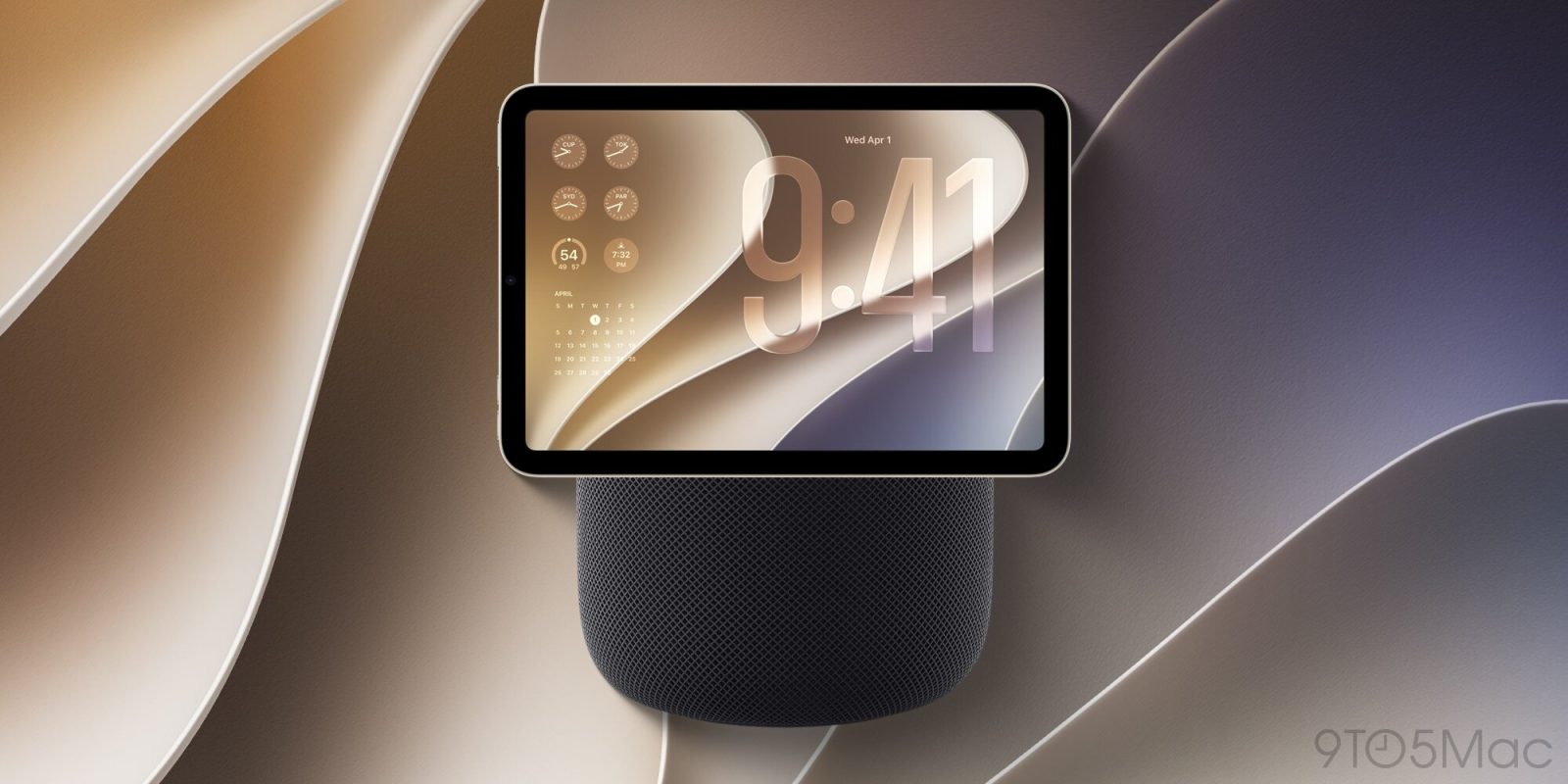
Apple’s HomePad gains customizable Watch-style faces for room-specific widgets
 ↗
↗
The upcoming HomePad smart home hub will offer customizable Apple Watch-style faces with widgets and Smart Stacks, letting users tailor the display to each room’s needs.
Engineers can now create room-specific widget layouts without changing hardware, simplifying deployment of smart-home interfaces across multiple spaces. The feature builds on existing Apple services such as Siri AI, photo slideshows, security-camera feeds, and Apple Music, expanding integration points for developers.
Written by elseif from the cluster below · every claim links back to a sourceThe three things worth knowing
HomePad will include Apple Watch-style faces that can be customized with widgets and Smart Stacks.
The feature works alongside Siri AI, photo slideshows, security-camera view, and Apple Music with lyrics and artwork.
Delays in the product’s launch were attributed to challenges with Siri AI development.
THE READ
What the cluster adds up to.
The leak shows that HomePad’s home screen will contain a set of faces similar to those on Apple Watch. Each face can be populated with widgets and Smart Stacks that change over the day. This adds a layer of visual customization beyond the static interface previously described. Engineers can now treat the device as a configurable display rather than a fixed hub.
The faces work together with the previously rumored capabilities such as Siri AI-driven voice assistance, photo slideshows and Memories, live security-camera feeds, and Apple Music with on-screen lyrics and artwork. These functions remain accessible regardless of the selected face. The modular face system lets developers assign different widget combinations to each room without altering the underlying software. Consequently, a single HomePad unit can serve varied contexts like a kitchen timer display, a living-room photo frame, or a bedroom music controller.
Adopting the new face system will require engineering teams to design widget layouts that fit the larger screen format and to test how Smart Stacks behave across different times of day. Teams must also ensure that the customizations do not interfere with core services like Siri AI or media playback. Because the faces rely on Apple’s widget framework, any third-party widget must be compatible with that ecosystem. Development effort will therefore shift from hardware integration to UI/UX design and widget validation.
Where the approach may stop working is if Siri AI experiences further delays, since the voice assistant is a central interaction method highlighted in the leaks. Additionally, the face customization is limited to Apple-provided widgets and Smart Stacks; unsupported third-party extensions would not appear. In environments where users need non-Apple services or custom hardware controls, the HomePad’s face system would not provide a substitute.
Written by elseif from the cluster below · checked for specifics the sources never containedTHE CLUSTER