DEV TOOLS Signal 449
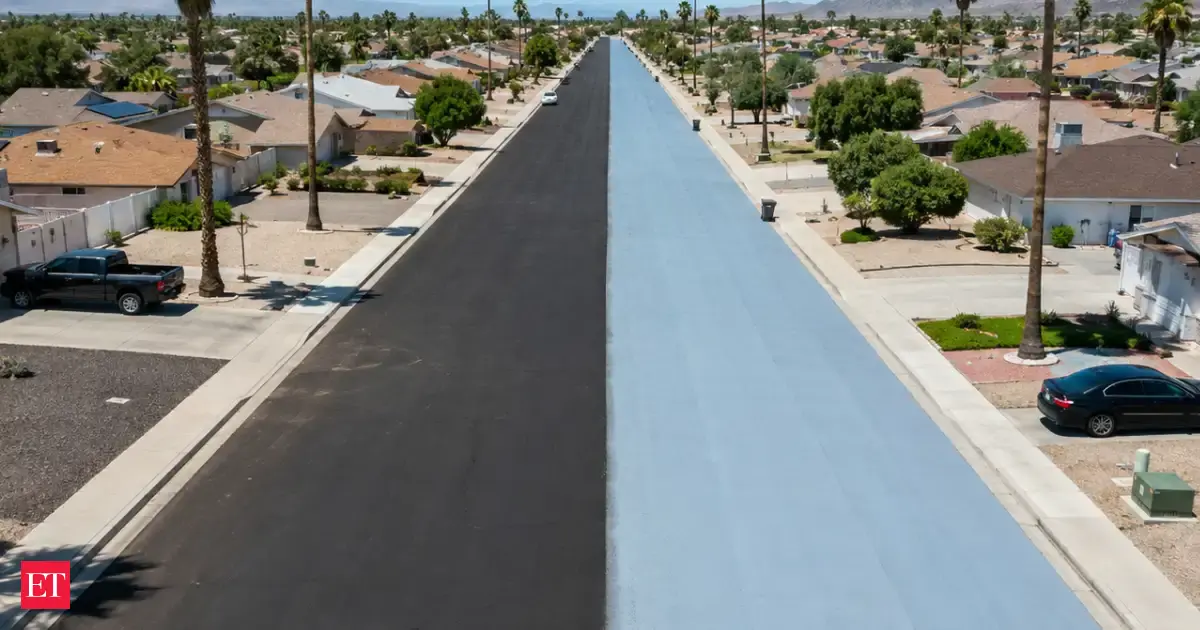
Phoenix's reflective coating cools asphalt by 12°F at noon but warms pedestrians
 ↗
↗
Phoenix's reflective pavement coating cut noon surface temperatures by 12°F but increased pedestrian radiant heat by 5.5°F, and the effect fades as the coating wears.
Engineers evaluating cool pavement must weigh surface cooling against pedestrian comfort, since reflected sunlight raises radiant heat. The coating also degrades over time, so maintenance costs and performance longevity are key. It works best on open, low-traffic roads, not in shaded or crowded areas.
Written by elseif from the cluster below · every claim links back to a sourceThe three things worth knowing
Arizona State University's study found coated roads were 12°F cooler at noon than aged asphalt.
Mean radiant temperature rose 5.5°F on coated roads, meaning pedestrians absorb more heat despite the cooler surface.
The coating's reflectivity dropped from 33-38% to 19-30% after ten months, reducing its cooling benefit.
THE CLUSTER