PERFORMANCE Signal 56
Virginia Tech researchers convert PVC plastic waste into high-performance engine lubricant ingredient
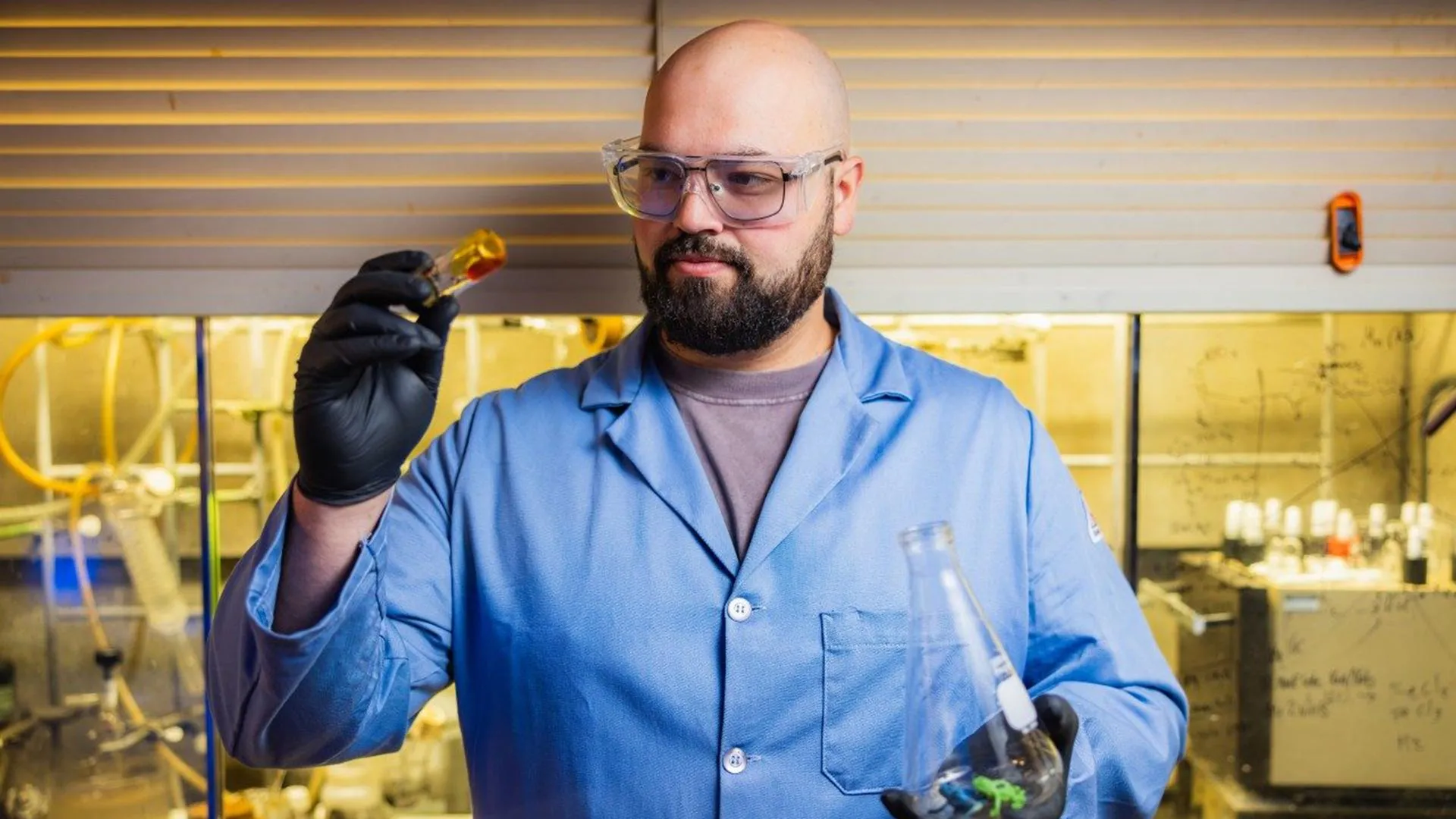 ↗
↗
A new chemical process transforms difficult-to-recycle PVC plastic into polyalphaolefin, a key component of high-performance lubricants like engine oil.
This breakthrough could reduce plastic waste by repurposing PVC, a material notorious for its low recycling rates. It also offers a more sustainable path for producing industrial lubricants, which are in high demand but environmentally costly to manufacture.
Written by elseif from the cluster below · every claim links back to a sourceThe three things worth knowing
The process converts PVC into polyalphaolefin, a critical ingredient in high-performance lubricants.
PVC is one of the hardest plastics to recycle due to chlorine content and additives, often ending up in landfills.
The method could address both plastic pollution and the environmental impact of lubricant production.
THE READ
What the cluster adds up to.
Researchers at Virginia Tech have developed a chemical process to upcycle polyvinyl chloride (PVC) into polyalphaolefin, a key ingredient in high-performance lubricants such as engine oil. PVC is particularly challenging to recycle due to its chlorine content and the variability of additives used in its production. This process could divert significant amounts of PVC waste from landfills while providing a sustainable source for lubricant production, which is essential for industries ranging from automotive to aviation.
The method involves dissolving PVC in a solvent, then treating it with aluminum trichloride and alpha olefins at elevated temperatures. The resulting product is a thick oil that functions as a lubricant. While the process is still in the research phase, it demonstrates feasibility for scaling up. However, the economic viability of this approach will depend on factors such as the cost of raw materials, energy consumption, and the efficiency of large-scale production. If successful, it could reduce reliance on traditional petroleum-based lubricant production methods.
This work builds on the team’s previous research into converting other types of plastic waste into useful products, such as surfactants for soaps and detergents. The shift to PVC was driven by its notoriously low recycling rates and the potential to create a high-value product. Early experiments produced soft, gooey materials, but refining the process to break down PVC into smaller molecular segments led to the discovery of a viable lubricant ingredient. This highlights the importance of iterative experimentation in upcycling research.
The environmental implications of this development are twofold. First, it provides a potential solution to the growing problem of PVC waste, which is often incinerated or landfilled due to recycling difficulties. Second, it offers a more sustainable alternative to conventional lubricant production, which carries a significant environmental footprint. However, the process will need to overcome challenges such as ensuring the purity of the resulting lubricant and minimizing any toxic byproducts from the chemical reactions involved.
Written by elseif from the cluster below · checked for specifics the sources never containedTHE CLUSTER