SECURITY Signal 370
Study links major music album releases to 15% rise in US traffic deaths due to driver distraction
 ↗
↗
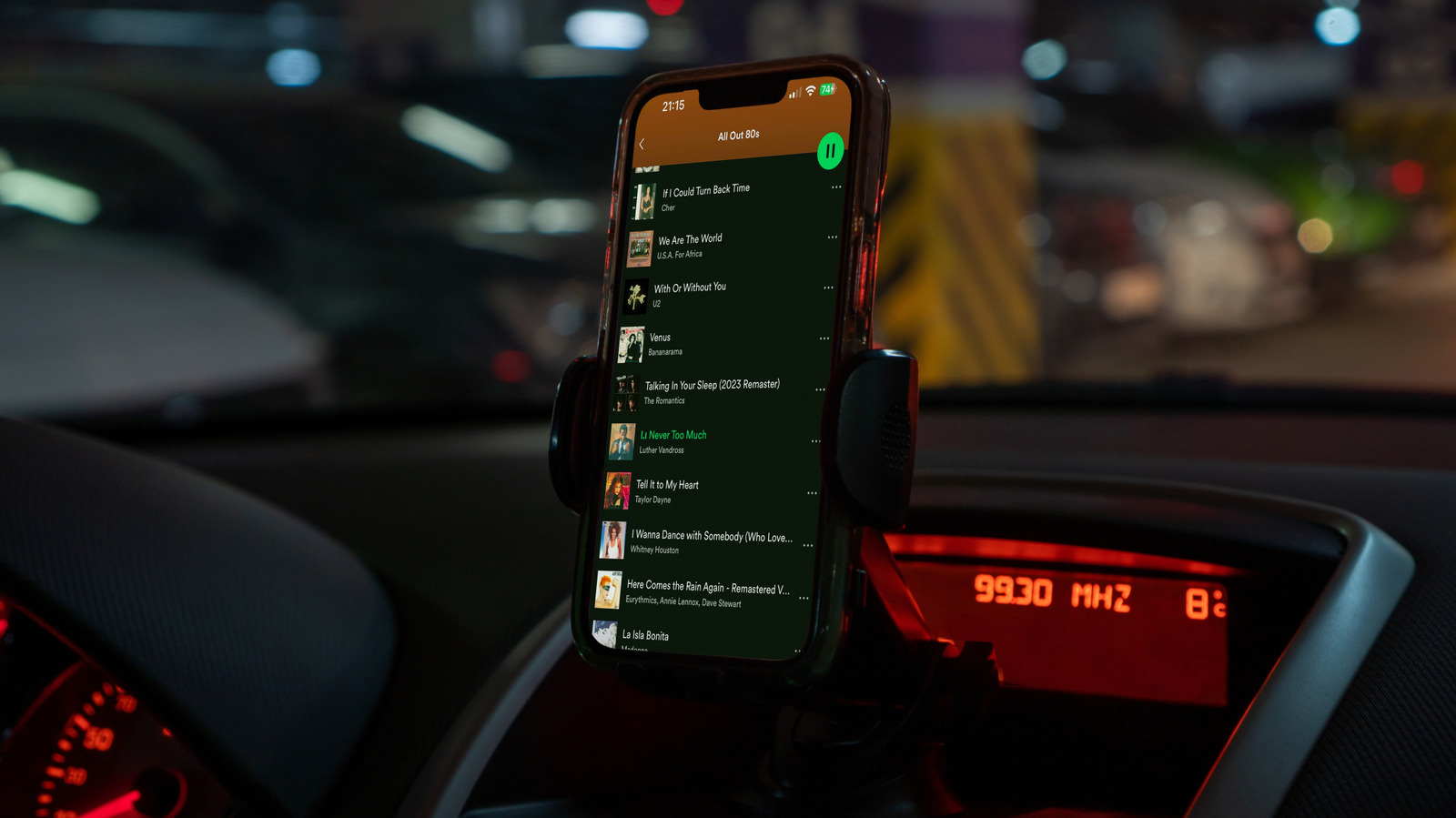
On days of major album releases, driver distraction rises, correlating with higher fatal crash rates.
Engineers must reassess infotainment interaction design because the study shows a measurable rise in fatalities when drivers browse music while driving. The findings suggest that reducing glance-time and manual input on screens could lower crash risk, especially for young male and solo drivers.
Written by elseif from the cluster below · every claim links back to a sourceThe three things worth knowing
The study observed a 15% increase in US traffic fatalities on days of major music album releases compared to surrounding days.
Distraction from interacting with music controls on phones and infotainment screens is proposed as the primary cause.
Young male drivers and single-occupant vehicles experienced the largest excess fatalities, highlighting a target demographic for safety interventions.
THE READ
What the cluster adds up to.
The research tied a 15% uptick in fatal crashes to the release days of ten high-streaming albums, using FARS fatality data and Spotify streaming charts. It compared accident rates on release days to the ten days before and after each release, controlling for holiday, seasonal and weekend travel patterns. Across the ten dates, roughly 182 excess deaths were recorded, or about 18.2 per release day. This establishes a clear statistical association between major music releases and increased traffic fatalities.
The proposed mechanism is driver distraction caused by browsing music on smartphones or in-car infotainment screens. The study notes a 43% surge in nationwide Spotify activity on release days, suggesting more frequent interaction with music controls. Younger male drivers and those driving alone showed the highest excess fatalities, possibly because they lack passengers who could manage music or keep attention on the road. Infotainment screens, especially larger touch-based displays, may increase glance-time and manual input, amplifying the distraction effect.
For engineers, the implication is a need to evaluate and potentially redesign infotainment interfaces to reduce interaction cost during driving. Reintroducing physical controls for volume, track selection, and climate, as some manufacturers have begun, could lower glance-time and manual input. Any redesign must balance user expectations for rich media access with safety requirements, involving usability testing, distraction metrics, and possibly regulatory compliance. The cost includes development time, validation testing, and potential market resistance to perceived feature loss.
The study’s findings are correlational; it cannot prove that music streaming directly caused the fatalities, and unmeasured confounders could influence the result. The analysis is limited to US data from 2017-2022 and to a specific set of high-profile albums, so the effect may differ in other regions, cultures, or for less prominent releases. Additionally, the observed risk increase may not apply to other distraction sources such as navigation or messaging, meaning safety interventions focused solely on music controls might not address the full spectrum of in-vehicle distraction.
Written by elseif from the cluster below · checked for specifics the sources never containedTHE CLUSTER